
Driveway Cracks: Repair or Replace?
Your driveway cracks for a reason — and most of the time it is not the driveway's fault. This quiz shows you which cracks are harmless, which mean trouble, and when to patch, level, or replace. No tools needed, just your everyday judgment. See how you score before your next repair bill.
Which driveway cracks need fixing — and which can wait? Test your judgment.
-
The most common driveway crack is thin and shallow. It is called a:
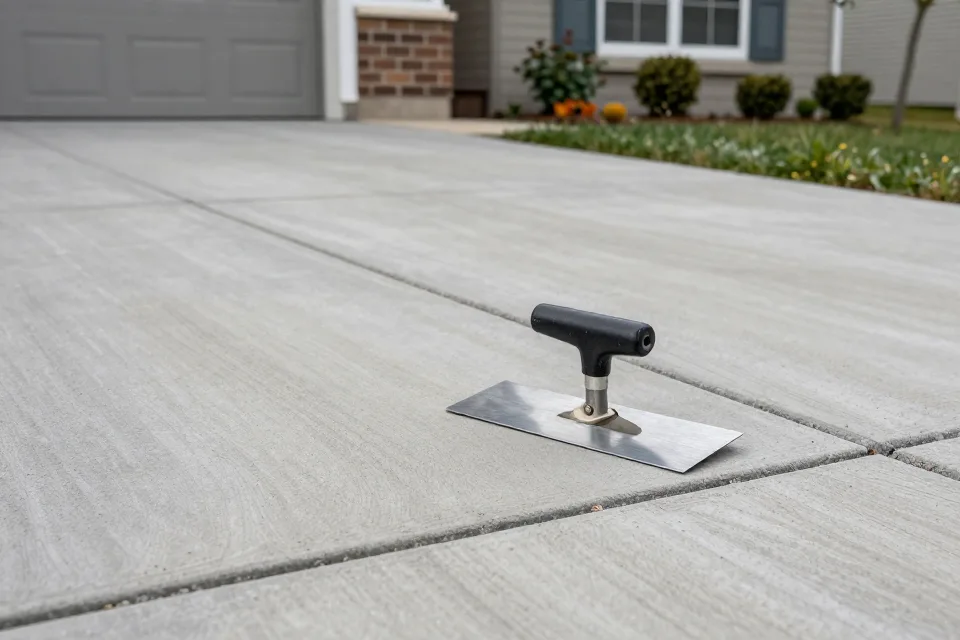
-
Straight grooves cut into fresh concrete are called:
-
A crack running all the way across the driveway is usually:
-
On an asphalt driveway, dark soft spots usually mean:
-
Which driveway material generally lasts the longest?
-
Small chips on the surface of a five-year-old driveway are usually:
-
A crack wider than about a quarter inch should be:
-
One side of a crack sits higher than the other. This often means:
-
A crack that keeps getting wider over months is:
-
A crack running from a corner toward the middle is often caused by:
-
Flaking and pitting on the surface is known as:
-
How often should you walk and inspect your driveway?
-
A low spot where water pools after rain is a sign of:
-
If the whole edge of the driveway sags toward the lawn, the likely cause is:
-
In cold climates, water freezing inside cracks causes them to:
-
A raised, humped section near a tree is probably caused by:
-
Poor drainage that keeps the base wet mainly causes:
-
Too much water in the original concrete mix often leads to:
-
Fine cracks soon after pouring are usually from:
-
Constant heavy vehicles on a thin slab can cause:
-
De-icing salt is most harmful to concrete because it:
-
Alligator cracks in asphalt look like reptile skin and signal:
-
A few hairline cracks with no movement usually need:
-
A wide, active crack through the whole slab calls for:
-
Patching works best when the damage is:
-
A 25-year-old driveway with many wide cracks is a candidate for:
-
Compared with full replacement, sealing small cracks costs:
-
For a settled slab still in good shape, a common fix is:
-
An asphalt driveway with alligator cracks and soft spots needs:
-
Epoxy injection is best used for:
-
You should replace a slab most confidently when:
-
Which finding points to moving, structural damage?
-
Before patching a crack, the first step is to:
-
For narrow hairline cracks, the usual product is:
-
Wide cracks usually need a:
-
The best time to patch a driveway crack is:
-
Freshly patched concrete should be kept:
-
Sealing the surface is meant to:
-
For a crack under vehicle traffic, the stronger filler is often:
-
For a slightly sunken but whole slab, leveling options include:
-
If water pools in a crack after rain, you should:
-
A patch that keeps popping out usually failed because:
-
Before hiring anyone to fix the driveway, you should:
-
Pay the final amount only after:
-
A quote far below all others usually signals:
-
A reliable contractor will offer a warranty for:
-
Check that the contract includes:
-
Before major driveway work, ask whether:
-
The safest payment plan is tied to:
-
At final inspection, check specifically for:
-
Sealing a concrete driveway every few years mainly:
-
To reduce salt damage in winter, use:
-
When clearing snow, avoid:
-
The best way to keep the base dry is:
-
After winter, the smart check is for:
-
Catching and filling cracks early mainly:
-
Most hairline driveway cracks need:
-
The biggest hidden threat to a cracked driveway is:
-
Repair while cracks are small because:
-
Which order of decisions is most cost-smart for a settling driveway?