
Boondocking: RV Camping Without Hookups
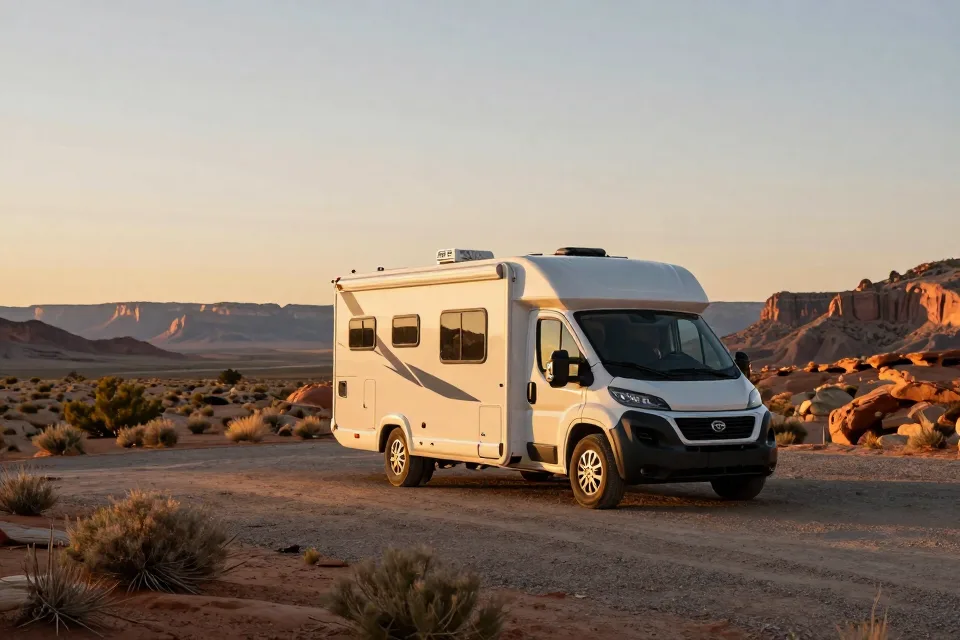
The first time you boondock, the moment tends to stick with you. The gravel road ends at a flat spot above a valley. You level the rig, kill the engine, and step out into silence. There is no check-in desk, no water spigot, no power pedestal, and no neighbor ten feet away. There is just the sky, and a night that belongs entirely to you.
Boondocking — RV camping without hookups — is how a growing number of Americans see more of the country for less money. A record number of households now own RVs (https://www.rvia.org/news-insights/pandemic-pushed-people-outdoors-record-number-them-rvs). The trade is simple: you give up the campground's services and take on the planning yourself. Done right, it is one of the most freeing ways to travel. Done wrong, it is a lesson in running out of water at midnight. This guide covers where you may camp, how long you may stay, how to manage water and power, and the mistakes that trip up first-timers.
What Is Boondocking, Exactly?
Boondocking means camping without hookups: no electric pedestal, no fresh-water line, no sewer connection. Your RV carries everything it needs and takes everything it produces back out with it (https://www.thedrive.com/cars-101/38427/how-to-prepare-rv-for-off-grid).
You will hear other names for the same idea. Dry camping means no hookups at any site, even inside a paid campground. Dispersed camping is the official term for camping on public land, away from developed campgrounds (https://www.blm.gov/programs/recreation/camping). Boondocking usually lands somewhere in the middle: free, off the grid, and on land that belongs to all of us (https://rvlifestyle.com/rv-dry-camping-boondocking-and-dispersed-camping/) (https://www.outdoorsy.com/blog/boondocking-101).
The appeal is easy to understand. The Bureau of Land Management alone oversees more than 245 million acres of public land (https://www.blm.gov/sites/default/files/docs/2021-11/MLRS-Fluid-Minerals-Geothermal-Brochure-Oct-2021.pdf), and the national forests and grasslands add another 193 million acres (https://www.fs.usda.gov/visit/destinations). Much of that land is open to camping at little or no cost.
Where You Can Park — and the Rules That Come With It
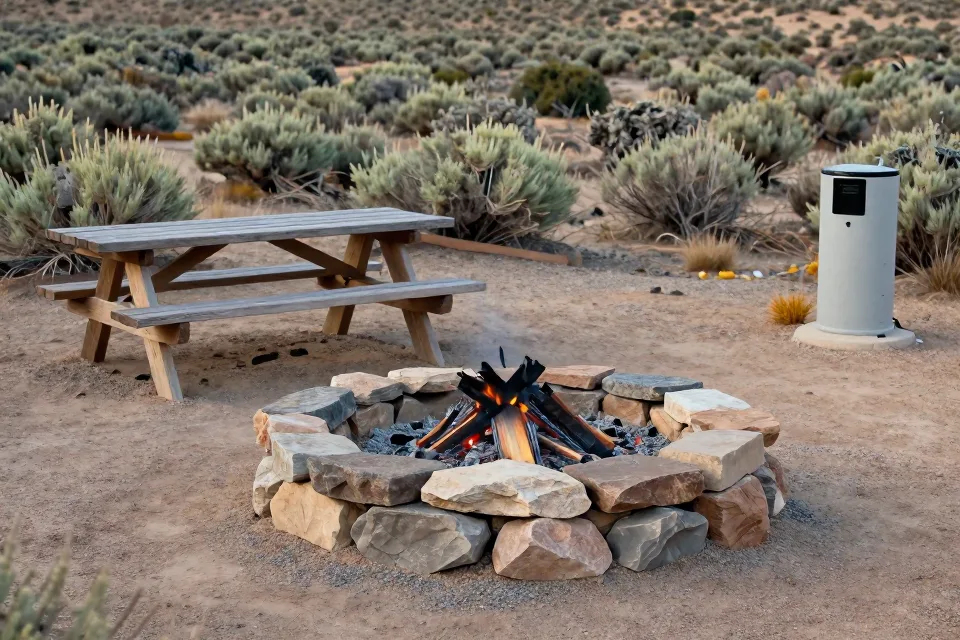
The most popular boondocking destinations are BLM land and national forests, where dispersed camping is allowed in most places unless an area is posted closed (https://www.blm.gov/programs/recreation/camping). The land is not a free-for-all, though. Each agency sets stay limits, and rangers do enforce them.
| Land | Typical stay limit | Notes |
|---|---|---|
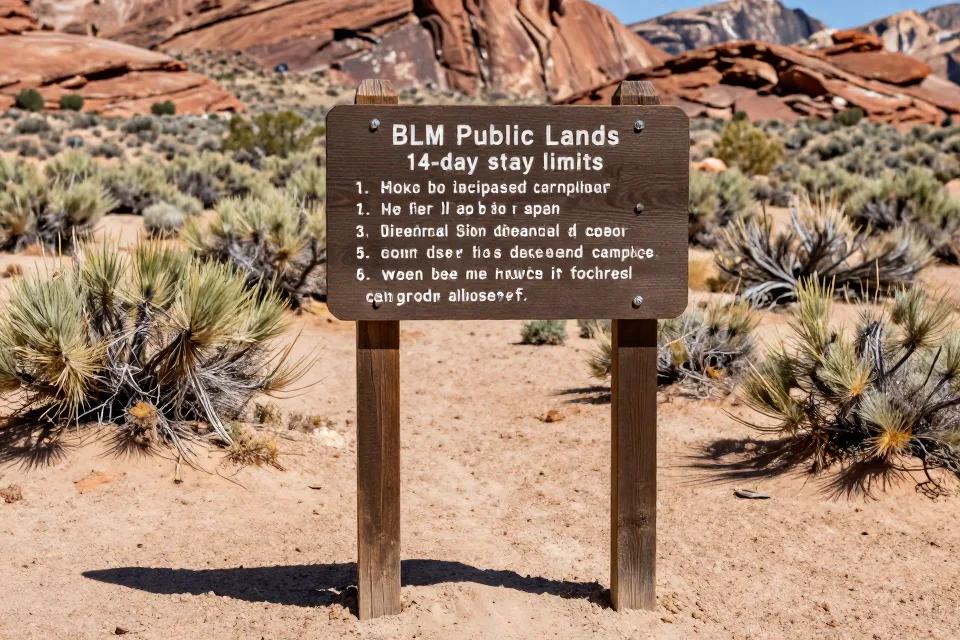
| BLM public land | 14 days in any 28-day period, then move on | Often 25 to 30 miles or more to the next spot (https://www.blm.gov/programs/recreation/camping) |
| BLM Colorado | 14 days in any 30-day period | Then at least 30 air miles away (https://www.blm.gov/upper-colorado-river-do-grand-junction-fo/public-room/fact-sheet/colorado-camping-and-occupancy) |
| National Park Service (Mojave) | 14 consecutive days per visit; 30 total days per year | Sites 200+ yards from water (https://home.nps.gov/moja/planyourvisit/camping-regs.htm) |
The reasons behind the limits are worth respecting. Dispersed camping is meant for short-term recreation, not long-term living — establishing residency on public land is prohibited (https://www.blm.gov/programs/recreation/camping) (https://www.blm.gov/upper-colorado-river-do-grand-junction-fo/public-room/fact-sheet/colorado-camping-and-occupancy).
Other BLM ground rules: vehicles stay on designated roads and trails; personal property cannot sit unattended for more than 10 days in most states; most areas need no permit or reservation, though some regions require permits for large groups or campfires (California asks for a campfire permit in many places); and fire restrictions change with the weather, so check before you go (https://www.blm.gov/programs/recreation/camping).
If you prefer a managed campground to a raw ridge, many BLM campgrounds charge a fee, fill on a first-come, first-served basis, and some take reservations through Recreation.gov, the federal booking site (https://www.blm.gov/programs/recreation/camping) (https://www.recreation.gov). And camping nights can undercut hotel stays, though the real cost depends on your rig and how you use it (https://www.kbb.com/car-news/trailer-life-what-does-it-cost-to-go-camping/).
Water: The Most Valuable Thing You Carry
When you boondock, the water in your tank is all the water you have. There is no spigot to top it off, so know your numbers before you leave: how many gallons your fresh tank holds, how much your gray and black tanks can take, and how far the nearest dump station is (https://www.thedrive.com/cars-101/38427/how-to-prepare-rv-for-off-grid).
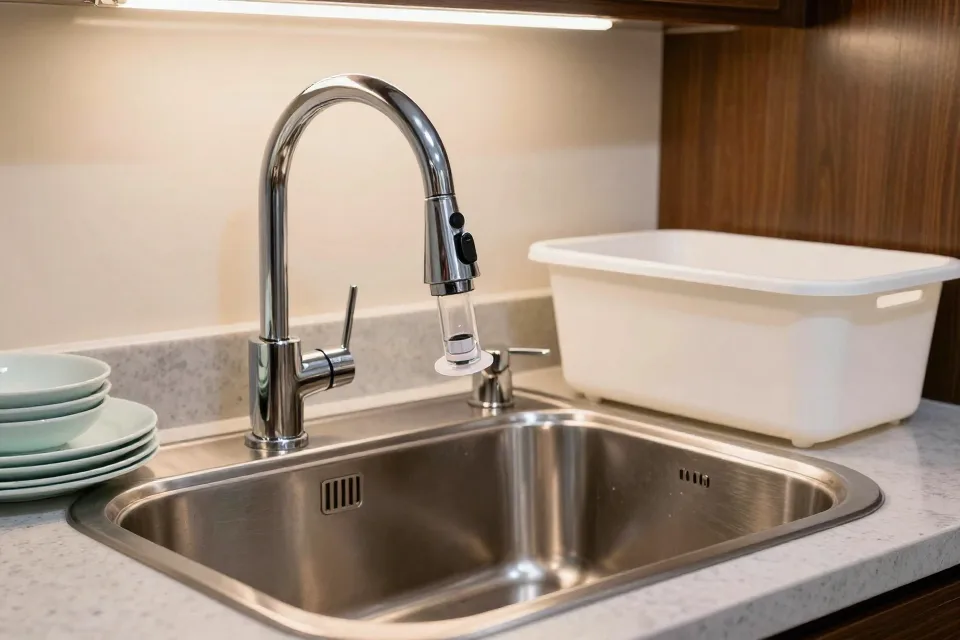
Most RVers figure out their own daily rate — a weekend of careful use teaches you what a shower, a sink of dishes, and a flush really cost in gallons. Small habits stretch a tank a long way: navy showers (wet, off, soap, on, rinse), a dish tub instead of running water, and rinse water reused for the next chore (https://www.rvmapper.com/blog/rv-water-conservation-boondocking).
What you cannot do is dump waste on the land. On BLM land, draining sewage or dumping refuse is prohibited, and everything you brought in goes back out with you (https://www.blm.gov/upper-colorado-river-do-grand-junction-fo/public-room/fact-sheet/colorado-camping-and-occupancy).
For the unavoidable business of nature, National Park Service guidance is specific: dig catholes 4 to 6 inches deep, positioned at least 200 feet from water, campsites, and trails. Toilet paper and hygiene products go out in a bag, not into the ground (https://home.nps.gov/moja/planyourvisit/camping-regs.htm).
Power Without a Plug
Your rig runs on three possible sources when the pedestal disappears: the batteries, the sun, and a generator. The Drive's off-grid RV primer describes the modern setup — solar panels harvest sunlight into a battery bank, and a generator covers the gap (https://www.thedrive.com/cars-101/38427/how-to-prepare-rv-for-off-grid). A typical rooftop solar array runs one to four panels rated around 100 watts each, with parts costing $500 to $2,500 before installation (https://www.thedrive.com/cars-101/38427/how-to-prepare-rv-for-off-grid).
Generators are the piece to treat with respect. The Consumer Product Safety Commission estimates portable generators were tied to about 70 carbon monoxide deaths per year on average from 2016 through 2020 (https://www.cpsc.gov/Newsroom/News-Releases/2022/CPSC-Releases-New-Report-on-Carbon-Monoxide-CO-Fatalities-Urges-Generator-Safety-in-New-PSA), and the agency links generators to roughly 40 percent of consumer-product carbon monoxide deaths since 2009 (https://usafacts.org/articles/is-carbon-monoxide-still-a-problem-in-the-us/).
Carbon monoxide is invisible and odorless, and it does not need to be inside your living space to hurt you. CPSC guidance is blunt: never run a generator inside the RV, camper, or any enclosure. Cracking a window or door does not move enough air to make it safe. Set the generator outside at least 20 feet away, point the exhaust away, and keep doors and windows shut (https://www.cpsc.gov/Newsroom/News-Releases/2026/CPSC-Warns-of-Generator-Carbon-Monoxide-and-Fire-Hazards-Ahead-of-Hurricane-Season).
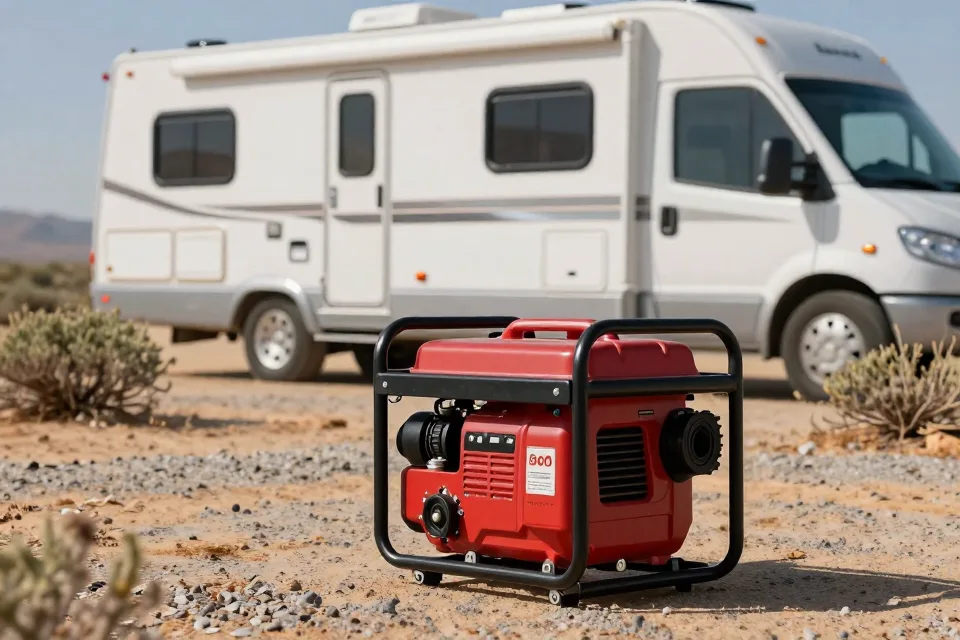
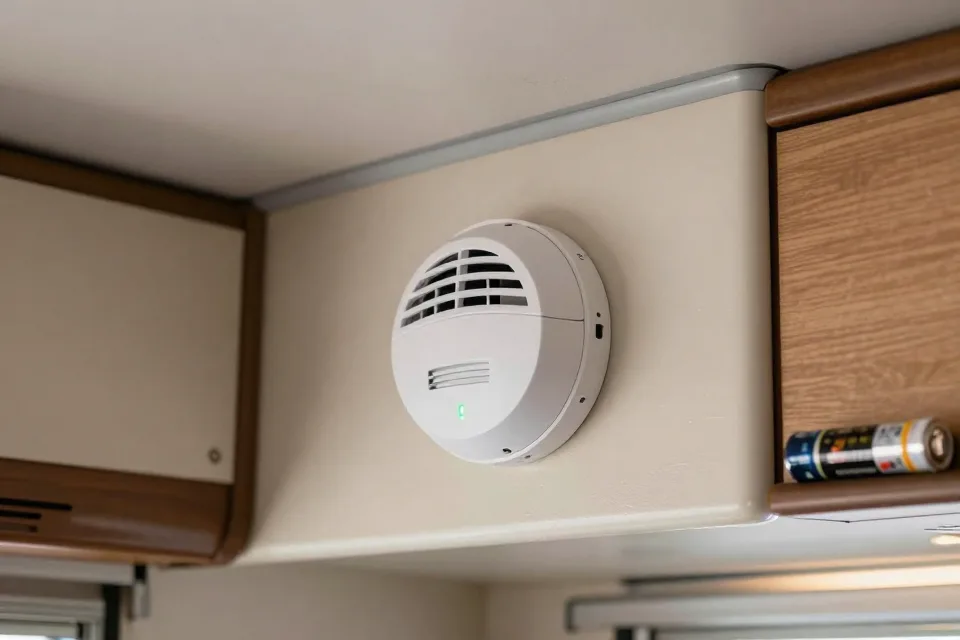
Then add a layer of protection: a battery-operated carbon monoxide alarm with battery backup, tested before you leave. Each year, more than 100,000 people land in emergency rooms with accidental carbon monoxide poisoning, and more than 14,000 are admitted (https://usafacts.org/articles/is-carbon-monoxide-still-a-problem-in-the-us/). An alarm that costs less than a tank of gas is cheap insurance against becoming a statistic.
The Drive Out: Weight, Wind, and Idling
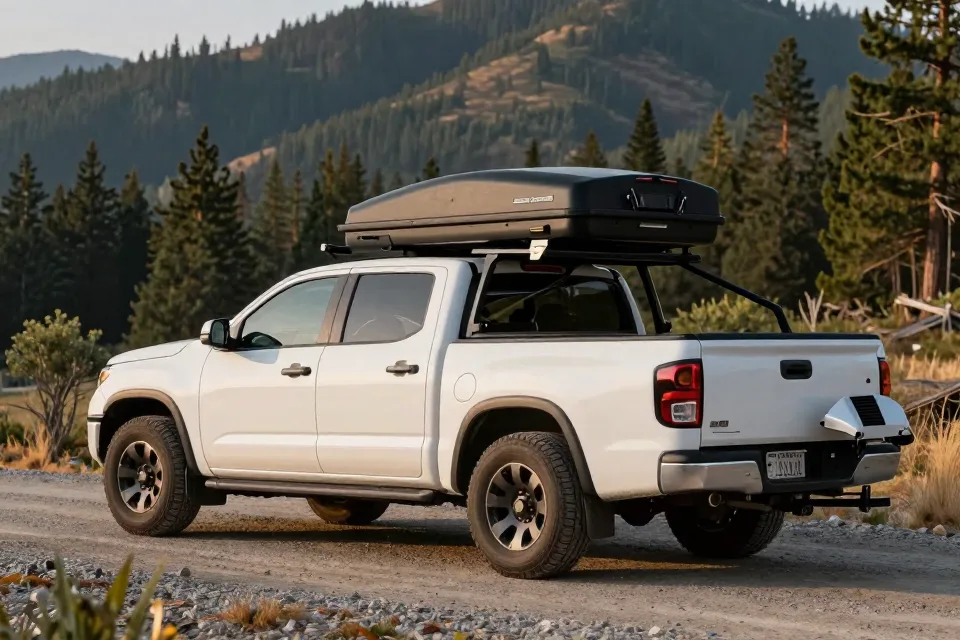
Getting to a great boondocking spot is usually a long haul, and how you pack affects what that haul costs. The federal fueleconomy.gov site is blunt about the penalties: a large roof-top cargo box can knock 2 to 8 percent off fuel economy around town, 6 to 17 percent on the highway, and 10 to 25 percent at interstate speeds (https://www.fueleconomy.gov/feg/driveHabits.jsp).
Weight matters too. Every extra 100 pounds you carry shaves roughly 1 percent off your miles per gallon (https://www.fueleconomy.gov/feg/driveHabits.jsp). On a fully loaded boondocking rig, that is water tanks, solar batteries, and the garage bay — every pound adds up.
And when you arrive, resist the urge to let the engine idle just to cool it off or to keep the fridge going. Idling can burn anywhere from a quarter to half a gallon of fuel every hour, more with the air conditioning running, and restarting the engine costs only about 10 seconds' worth of fuel (https://www.fueleconomy.gov/feg/driveHabits.jsp). Shut it down and enjoy the quiet.
If you are towing a trailer to the spot, the pre-trip inspection matters: tires, brakes, lights, mirrors, and safety chains, with a tow vehicle rated for the loaded trailer (https://www.cars.com/articles/these-10-suvs-have-the-highest-towing-capacity-425666/) (https://cybercemetery.unt.edu/archive/oilspill/20130224014339/http://mcs.nhtsa.gov/index.cfm?fuseaction=product.display&product_ID=513). And on BLM land, remember that vehicles stay on designated roads and trails — boondocking is not the place to blaze a new route (https://www.blm.gov/programs/recreation/camping).
Common Mistakes First-Time Boondockers Make
Every one of these is avoidable. We see them most often in the first season:
- Assuming the 14-day rule is the same everywhere. It is not — some areas allow fewer days, some demand a longer move, and parks like Mojave count days per year as well. Read the posted rules and the land manager's website before you commit (https://www.blm.gov/programs/recreation/camping) (https://home.nps.gov/moja/planyourvisit/camping-regs.htm).
- Arriving after dark. Leveling a rig and picking a spot by headlights is how people end up on a slope or in a dry wash — where a flash flood can arrive with no warning (https://home.nps.gov/moja/planyourvisit/camping-regs.htm).
- Running the generator too close to the RV. Even just for morning coffee, a generator inside 20 feet with a window cracked is how carbon monoxide finds you (https://www.cpsc.gov/Newsroom/News-Releases/2026/CPSC-Warns-of-Generator-Carbon-Monoxide-and-Fire-Hazards-Ahead-of-Hurricane-Season).
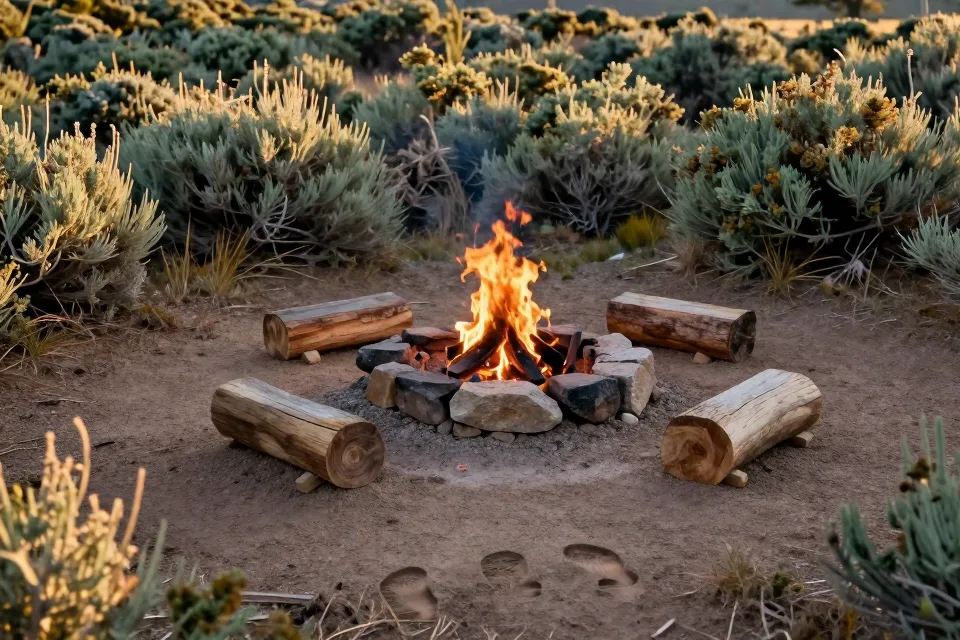
- Ignoring the fire restrictions. A dry-season ban is not a suggestion; check before you strike a match (https://www.blm.gov/programs/recreation/camping).
- Leaving the tanks a little full. Gray water and black water have no place on public land — dumping sewage is prohibited, and the fine is not worth it (https://www.blm.gov/upper-colorado-river-do-grand-junction-fo/public-room/fact-sheet/colorado-camping-and-occupancy).
- Packing the roof like a moving truck. The fuel penalty at highway speeds — up to 25 percent with a big box — shows up right at the pump (https://www.fueleconomy.gov/feg/driveHabits.jsp).
- Skipping the leveling blocks and the tank math. A tilted night and a full gray tank are the two classic 2 a.m. regrets.
Leave No Trace: Seven Principles, One Simple Idea
The National Park Service frames its camping rules around the seven Leave No Trace principles: plan ahead and prepare for the trip; travel and camp on durable surfaces; dispose of waste properly; leave what you find; minimize campfire impacts; respect wildlife; and be considerate of other visitors (https://home.nps.gov/moja/planyourvisit/camping-regs.htm).
In boondocking practice, the principles come down to a short list: reuse an existing campsite instead of carving out a new one; stay out of the washes; set camp a good distance from water sources; pack out everything, including toilet paper; and keep noise down after dark (https://home.nps.gov/moja/planyourvisit/camping-regs.htm). The land should look better when you leave than when you found it — that is the whole idea.
Your First Boondocking Checklist
Save this list on your phone and run through it twice before you leave the pavement:
- Check the land manager's website: closures, stay limits, permits, and fire restrictions.
- Match your water plan to your tanks: fresh, gray, black, and the nearest dump station.
- Test the battery bank; carry a carbon monoxide alarm with fresh batteries.
- Scout a 20-foot generator spot before you need it.
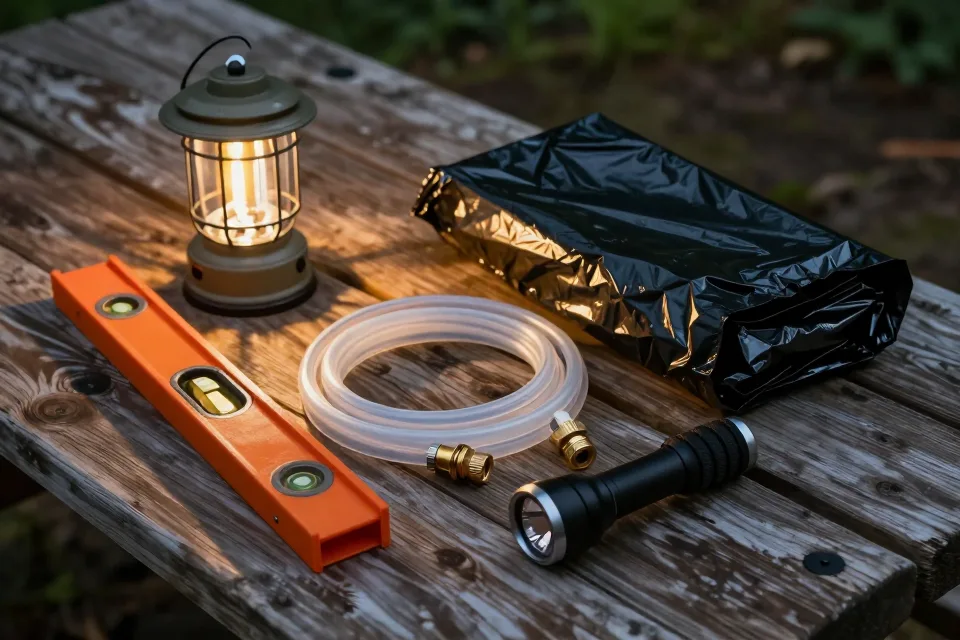
- Pack leveling blocks, a fill hose, and bags for packing out trash.
- Load heavy gear low; skip the roof box when you can; check cold tire pressure.
- Arrive in daylight and pick a level, legal, already-used site.
- Cathole math: 4 to 6 inches deep, 200 feet from water, camp, and trails.
- Generator 20 feet out, exhaust away, windows closed, alarm on.
- Know your stay limit and your move date before you set up.
Boondocking rewards the prepared. Plan the water, respect the stay limits, and treat the generator like the tool it is, and the payoff is a kind of camping the developed world cannot sell: a private valley, a sky full of stars, and a quiet night that costs nothing but planning.
This article is general information for drivers and RV owners, not professional or legal advice; always confirm current rules with the land manager, and please see our disclaimer for how we handle information on this site.
Sources
- [authority] https://www.blm.gov/programs/recreation/camping