
Buy Here Pay Here Lots: The Risks to Know
The Banner That Promises Too Much
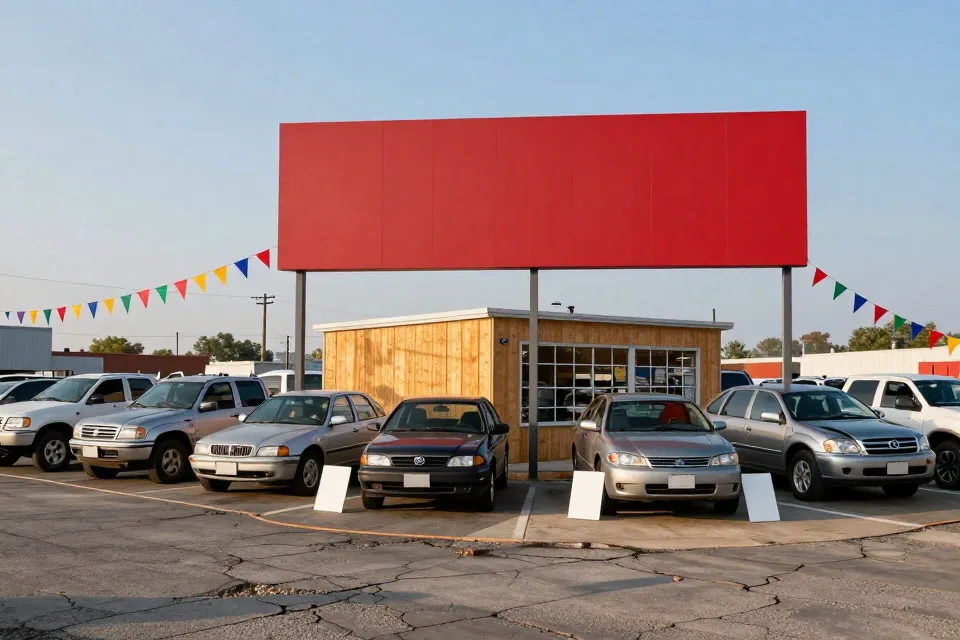
There is a certain kind of car lot that appears on a corner with a string of colored flags and a banner that reads "BUY HERE PAY HERE." The message underneath is almost always the same: bad credit is not a problem, approval takes minutes, and you can drive off today. For a driver with a thin credit file or a few dents in their score, that promise is hard to resist.
Here is the honest version: buy here, pay here (BHPH) lots do put people in cars who cannot get a traditional loan. But the deal usually comes with a price, sometimes a very steep one. Before you sign anything, it helps to understand how these lots work, what the loan really costs, and which traps are the easiest to fall into.
What "Buy Here, Pay Here" Actually Means
The name says it all. At a normal dealership, you buy the car from the dealer but borrow the money from a bank, a credit union, or the manufacturer's finance company. At a BHPH lot, the dealer is both the seller and the lender, as the Federal Reserve explains. You make your payments directly to the lot, and the dealer keeps the loan on its own books.
That arrangement lets BHPH dealers approve borrowers that banks would turn away, people with subprime credit or no credit history at all, according to the Federal Reserve. It also changes how payments work. Instead of one monthly bill from a lender, many lots expect a payment every week or every other week, and some want it in cash at the office, according to Los Angeles County's consumer protection office.
In other words, the lot's convenience is built on its own terms. The question is what those terms cost you.

The Real Price: Rates and Markups
The first number to look at is the interest rate. CFPB research comparing subprime auto loans found average rates near 10 percent at banks, versus 15 to 20 percent at finance companies and BHPH dealers. The same study estimated that a borrower with a credit score above 560 faces roughly the same default risk at a bank as at a small BHPH lender, yet pays about 13 percent interest at the BHPH lot versus 9 percent at a bank. For a typical BHPH borrower, that gap works out to roughly $900 saved over the life of the loan, the CFPB calculated. Consumer offices in Los Angeles County put typical BHPH rates even higher, in the 18 to 35 percent range.
The rate is only part of the story. BHPH lots often price the car itself far above its book value, and the vehicles may have been repossessed and resold many times, according to the Los Angeles County consumer office. Combine a high price with a double-digit rate and a long loan term, and a modest car can end up costing a small fortune.
Federal enforcement cases show how the numbers can drift even higher. In one consent order, the CFPB found that a BHPH dealer advertised a 9.99 percent APR that customers did not actually pay once the cost of a required $1,650 repair warranty, a $100 GPS payment reminder device, and other markups were added in. The dealer also would not negotiate prices for buyers who financed, while cash buyers received discounts, a hidden difference that regulators said was never disclosed as part of the financing.
CBS News documented another example: a Phoenix couple with poor credit bought a 2007 Chevrolet with more than 100,000 miles from a BHPH lot and ended up owing more than $21,000 at almost 29 percent interest.

Weekly Payments and the "Kill Switch"
The payment schedule deserves its own warning. Weekly payments mean 52 due dates a year instead of 12, and the Federal Reserve notes that this aggressive repayment schedule creates more opportunities to miss a payment. Miss one, and the consequences can be immediate.
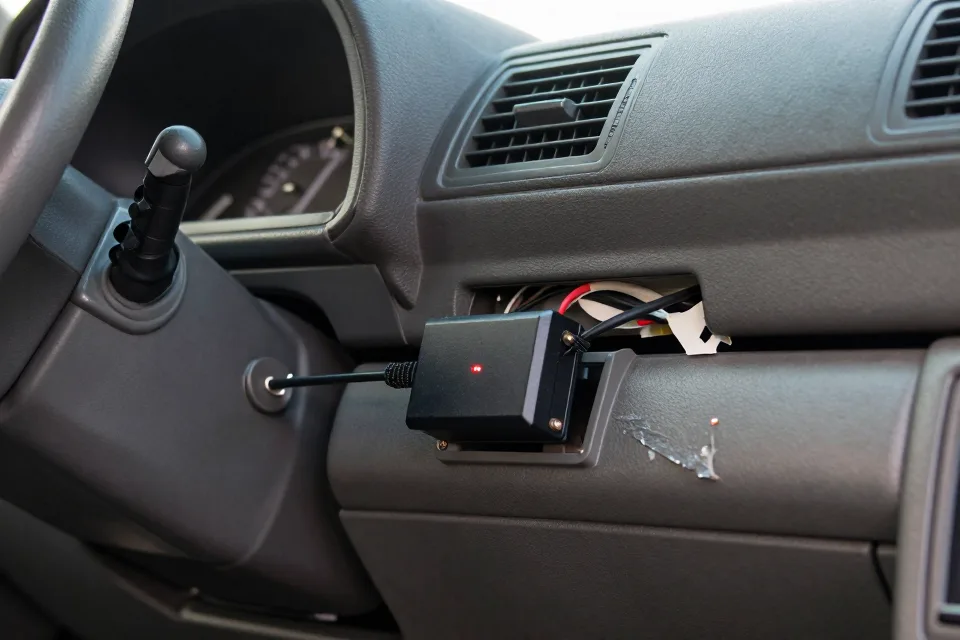
Many BHPH lots install GPS trackers and "starter interrupter" devices in the cars they finance, CBS News reported. These devices let the dealer track the car's location and remotely prevent it from starting. There are no federal laws governing how these devices are disclosed or used, and only four states had any regulations on them as of 2017, according to CBS.
The device can leave you stranded. In the CBS story, a customer came out of a dialysis appointment to find her car would not start because the dealer had disabled it after she fell behind on a payment. Safety experts quoted in the report warned about parents unable to start their cars while children wait at school, or families blocked from reaching an emergency room.
Enforcement has followed. The CFPB sued USASF Servicing, the financing arm of a large BHPH chain, alleging it wrongfully used starter interrupters to disable vehicles at least 7,500 times, played warning tones in cars more than 71,000 times when borrowers were not in default, and shut off vehicles at least 1,500 times after promising customers it would not. The agency also alleged the company double-billed roughly 34,000 consumers for insurance coverage. A federal court later ordered the company to pay about $42.6 million in penalties and restitution.
When the Payments Stop: Repossession
BHPH dealers repossess vehicles more often than traditional lenders, the Federal Reserve finds. When a car is repossessed, your lender can keep it to cover the debt or sell it, the FTC explains.
Here is the part many buyers do not expect: if the sale does not cover what you owe, you can still owe the difference. The FTC gives a clear example: owe $15,000 on the car, the lender sells it for $8,000, and the remaining $7,000, plus fees, is a "deficiency." In most states, the lender may take you to court for the unpaid balance, a step known as a deficiency judgment.
You do have some rights. In some states, you can get the car back by paying the full amount owed, including past-due payments and repossession costs, or "reinstate" the loan by paying what is past due plus the lender's expenses, the FTC notes. Your lender also cannot keep or sell personal property found inside the car, though state laws set the details. If you believe a lender broke the rules, the FTC suggests turning to your state's attorney general office or a local consumer agency.
The Credit Catch
One of the most common reasons people choose a BHPH lot is the hope of rebuilding credit. That hope can be misplaced. Many BHPH dealers never send payment records to the major credit bureaus, so the loan may do nothing for your credit score, according to the Los Angeles County consumer office.
Meanwhile, the BHPH customer base tells its own story: borrowers with deep subprime credit made up about 70 percent of BHPH loans in 2018 and still more than half in 2025, per the Federal Reserve. Some of the sector's largest players have stumbled, too. One of the biggest, Tricolor, filed for bankruptcy in 2025 amid fraud allegations, the Fed noted.
Common Mistakes Buyers Make
Even careful shoppers stumble on these. Watch for:
-
Focusing on the weekly payment, not the total. A payment that fits this week's budget can still mean years of payments on a car worth far less than what you owe.
-
Assuming the loan builds credit. If the lot does not report to the credit bureaus, your perfect payment record is invisible.
-
Trusting "no credit check" ads. Approval without a credit check usually means the lot protects itself with a higher rate and stricter terms instead.
-
Skipping the vehicle's history. Many BHPH cars have been repossessed and resold multiple times, so a history report and an independent mechanic's look are worth their weight.
-
Signing before reading the fine print. Required warranties, GPS fees, and other add-ons can turn an advertised rate into something else entirely.
-
Judging the deal by the sticker price. Compare the car's actual market value and the total loan cost before you commit.
-
Treating the lot as your only option. Banks and credit unions sometimes approve subprime borrowers at far lower rates, and a preapproval gives you a number to compare against.
-
Forgetting what happens on a missed payment. Know whether the car has a starter interrupter, and read what the contract says about repossession.
What to Check Before You Sign

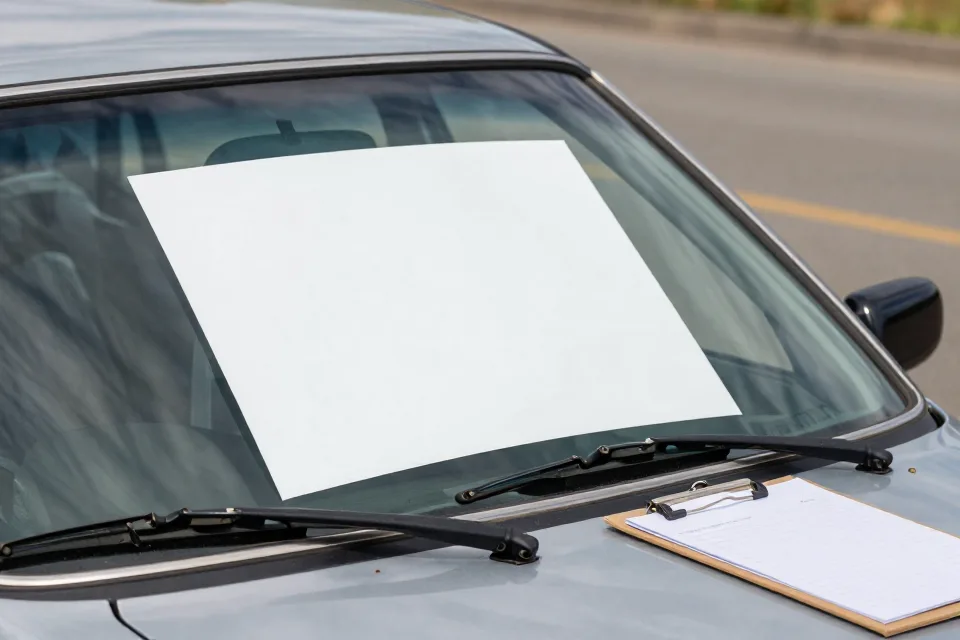
Federal law gives you a starting point: since 1985, the FTC's Used Car Rule has required dealers to post a Buyer's Guide window sticker on every used car they offer. The guide must state whether the car comes with a warranty, and if so, its terms, or whether it is sold "as is," meaning the dealer takes no responsibility and you pay for any repairs. In states that do not allow "as is" sales, dealers must use a different version of the guide, the FTC explains.
Look at the guide before you negotiate, not after. Then go through the financing contract line by line: the total price, the APR, every fee, and every add-on, and ask for the math in writing. Check the car's history and have an independent mechanic inspect it, because many BHPH cars have changed hands many times. And before you commit, get a preapproval quote from a bank or credit union, since the CFPB data shows subprime borrowers often get meaningfully better rates there.
Your Quick Checklist
Keep this list handy when you visit any used car lot:
-
Confirm the lot is a licensed dealer, and check its complaint record with your state attorney general or consumer protection office.
-
Read the Buyer's Guide on the window: warranty or "as is"?
-
Get the total cost in writing: price, APR, fees, add-ons, and total interest.
-
Run a vehicle history report and arrange an independent inspection.
-
Compare the lot's offer against a bank or credit union preapproval.
-
Ask whether payments are reported to the credit bureaus.
-
Ask whether the car has a GPS or starter interrupter device.
-
Know your state's repossession rules before you sign.
The Bottom Line
Buy here, pay here lots fill a real need: they put people in cars when banks say no. But the loan is expensive, the payment plan is demanding, and the penalties for a missed payment can be severe. Go in with your eyes open, compare the numbers, and remember that a promise of easy approval is not the same as a fair deal. A little homework before you sign can save you thousands, and it can keep you from losing the car you paid for.
This article is for general information only and is not legal, financial, or automotive advice. For more, see our disclaimer.
Sources
- [authority] https://www.federalreserve.gov/econres/notes/feds-notes/subprime-auto-lending-trends-in-buy-here-pay-here-auto-lending-20260508.html