
Car Battery Care: Signs Yours Is About to Die
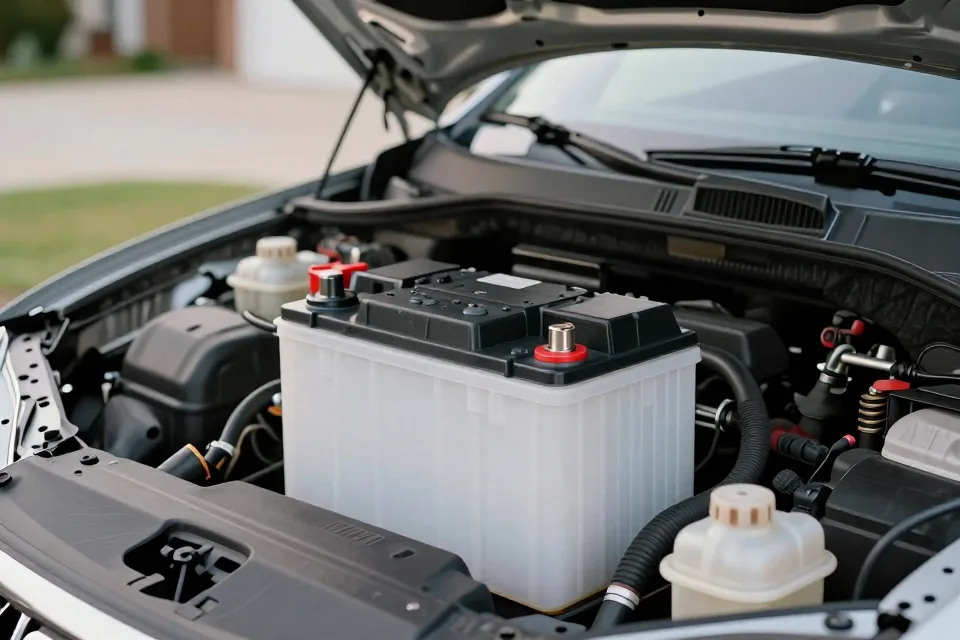
Turning the key and hearing only a slow, tired groan is a moment every driver dreads. A worn-out car battery rarely fails without warning, though. Catching the early signs can save you from a cold morning stuck in the driveway.
Most car batteries give you clues for weeks before they quit. In this guide we walk through the signs to watch for, a few easy checks you can do at home, and small habits that keep a battery alive longer.
1. How long should a car battery last?
A typical car battery lives about 3 to 5 years. That is the range cited by AAA and by many repair shops alike. Where you drive and park makes a real difference.
In cooler northern states a battery can often reach 5 years or more. In hot southern regions it is more common to swap one out closer to the 3-year mark. The heat inside a summer engine bay wears a battery down faster than many people expect.
If your battery is past its third birthday, it is smart to start paying attention. AAA suggests a yearly check once a battery is 3 years old, so you catch problems before they leave you stranded.
2. The warning signs to watch for
A failing battery usually announces itself. Here are the signs most worth noticing, in rough order of how often people see them.
-
Slow engine crank. The starter turns over lazily or takes a beat longer than it used to. That laboring sound is one of the clearest early warnings.
-
Dim or flickering lights. Headlights, dash lights, and dome lights look weaker than normal. They may brighten when you rev the engine and dim again at idle.
-
A fast clicking sound. You turn the key and hear quick clicks but the engine does not turn over. That often means the battery lacks the power to spin the starter.
-
A warning light on the dash. A battery-shaped light, or a check-engine light, can point to low voltage or a charging problem.
-
Electrical hiccups. Power windows, radio, or seat warmers act sluggish or cut out. Accessories on modern cars are the first to feel low voltage.
-
A smell of rotten eggs. A leaking battery can give off a sulfur smell. Treat this as a sign to have it looked at right away.
A single odd day is not a crisis. But when two or three of these show up together, the battery is telling you it is near the end.
3. What makes a battery wear out sooner
A few habits and conditions quietly eat into battery life. Knowing them helps you stretch the years you get.
-
Short trips. Several quick errands may not run the engine long enough to refill what starting used up. Over time the battery runs chronically low.
-
Long stretches parked. A battery slowly self-discharges just sitting. A car left for weeks can arrive at a dead battery with no warning.
-
Heat. High temperatures speed up the chemical wear inside the battery, even though cold gets more of the blame.
-
Cold snaps. When the temperature drops, engine oil thickens and the starter has to work harder, at the same moment the battery delivers less power. A weak battery may hold on all summer and fail on the first cold morning.
-
Things left plugged in. A phone charger, dash cam, or interior light left on while parked drains the battery overnight.
The good news is that most of these have simple fixes, which we cover in a bit.
4. A simple voltage check you can do at home
You do not need to be a mechanic to get a read on your battery. A basic multimeter costs little and makes the health of your battery visible.
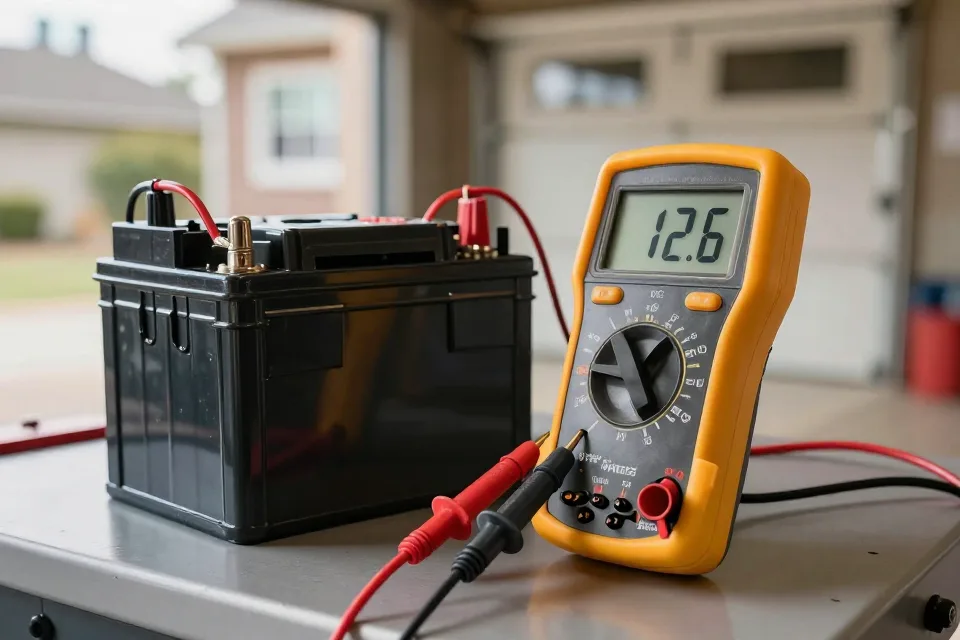
With the engine off, switch the meter to DC volts and touch the red lead to the positive (+) terminal and the black lead to the negative (–) terminal. Here is what the numbers generally mean:
| Resting voltage | Rough state of charge |
| --- | --- |
| About 12.6 V | Fully charged |
| About 12.4 V | Around 75% charged |
| About 12.2 V | Around 50% charged |
| Below 12.0 V | Weak or largely discharged |
A resting reading below about 12.2 V is a sign the battery needs a charge, or may be near replacement. Have a shop run a load test to know for sure, since voltage alone does not tell the whole story.
You can also check with the engine running. A healthy charging system should show roughly 13.7 to 14.7 volts at the terminals. A much lower reading often points to an alternator problem rather than the battery itself.
If you are not comfortable around a battery, skip this step. A quick trip to an auto parts store or repair shop will get you a free or low-cost load test instead.
5. Easy care habits that add years
Small routines protect a battery. Here are the habits that matter most, in plain terms.
-
Drive a little longer once in a while. A steady 20-minute drive now and then lets the charging system refill the battery fully.
-
Keep terminals clean and tight. Corrosion and loose clamps stop power from flowing the way it should.
-
Watch the terminals for green or blue crust. That buildup is corrosion. A light cleaning can restore a good connection.
-
Check it each year after age 3. A yearly voltage and terminal check catches trouble while it is still small.
-
Use a maintainer if it sits. Parked for weeks at a time? A low-cost trickle charger keeps a battery charged without overdoing it.
Cleaning corrosion the safe way
Corroded terminals are a common sight and usually a quick fix. If you take it on yourself, wear safety glasses and gloves first.
Begin by turning the car off and letting it cool. Mix a little baking soda into warm water to make a paste, then gently brush the blue-green crust off the terminals with an old toothbrush or soft brush. Keep the paste away from the vent caps on top, and if the case is cracked, bulging, or leaking, stop and have a professional look at it.
6. What to do if the battery is already dead
Sometimes the warning signs pass you by and you find yourself with a car that will not start. A jump start is usually all you need to get moving, then you can have the battery tested.
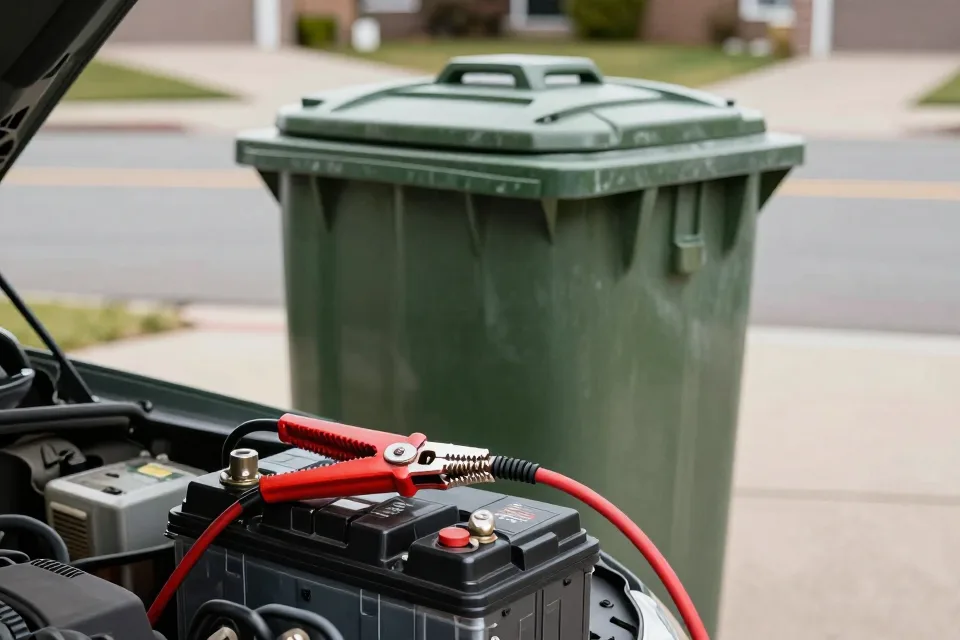
If you jump a car, follow the correct order. Connect the red clamp to the positive post of the dead battery first, then the other red clamp to the positive post of the good battery. Then connect the black clamp to the negative post of the good battery, and put the final black clamp on a bare metal part of the dead car's engine away from the battery. Let the good car idle for 5 to 10 minutes before you try to start the dead one.
When in doubt, call for roadside help. A professional can test the battery and charging system on the spot, and often replace the battery right there.
7. Common mistakes that shorten battery life
Drivers often hurt their batteries without meaning to. Here are the missteps to avoid.
| Mistake | Why it hurts | What to do instead |
| --- | --- | --- |
| Ignoring slow starting | Lets a weak battery fully die away from home | Test the battery at the first slow crank |
| Leaving lights or chargers on | Drains the battery overnight | Do a quick look around before you lock up |
| Never driving long enough | Keeps the battery undercharged | Take a longer drive every so often |
| Skipping the yearly check | Misses small changes that warn of failure | Check voltage and terminals once a year |
| Buying on price alone | A wrong-size or weak battery wears out fast | Match the group size and rating your manual lists |
8. A quick checklist before you go
Run down this list when you want a fast picture of your battery's health.
-
The engine starts briskly, with no long crank or clicks.
-
Headlights and dash lights stay bright at idle.
-
No battery or check-engine warning light is on.
-
The terminals look clean and the clamps are tight.
-
The battery case is flat and not bulging.
-
No rotten-egg smell near the battery.
-
The battery is under 3 years old, or was checked this year if older.
-
I know where the battery and jumper box are in an emergency.
The more boxes you can check, the better shape your battery is in. Anything you cannot check off is worth a closer look.
Keep your car ready for the road ahead
A car battery is a small part of your vehicle, but it does big work every single day. By reading the early signs and keeping up a few simple habits, you can avoid the stranded-on-the-side-of-the-road surprise.
One last note: batteries are nearly 100% recyclable, and they are the most recycled consumer product in the country. When yours finally retires, have it turned in and recycled rather than tossed, and give your next battery a fresh start.
This article is for general information only and does not replace the advice of a qualified mechanic for your specific vehicle. See our full disclaimer for details.
Sources
- [authority] https://www.aaa.com/autorepair/articles/how-long-do-car-batteries-last