
Defensive Driving Basics Everyone Should Practice
What Defensive Driving Really Means
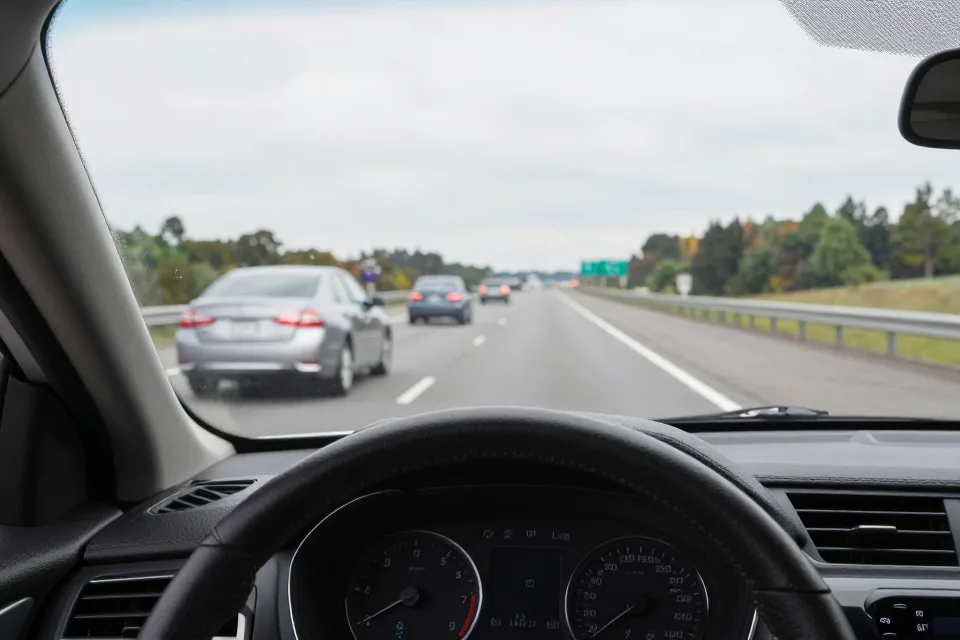
Most experienced drivers never think about driving in terms of risk. After tens of thousands of miles, the car feels like an extension of the body, and the trip runs on autopilot. That comfortable feeling is exactly where the danger hides, because the road is full of people who are distracted, rushed, or simply making errors — and the drivers who stay out of trouble are usually the ones who expect those errors before they happen.
Defensive driving is that habit, practiced on purpose: assume other drivers will make mistakes, and position yourself so those mistakes never touch you. It is not about being timid or driving slow. It is about being prepared. The basics come down to three habits — see more, decide sooner, leave room — and none of them requires a new car, a special course, or a lucky streak. They only require attention and spacing, two things every driver controls on every trip, for free.
Why the Numbers Should Get Your Attention
Defensive driving matters because the stakes are measured in lives. In 2023, nearly 41,000 people died in motor vehicle crashes in the United States, according to the Insurance Institute for Highway Safety, and the total number of police-reported crashes that year approached six million.
Break those deaths down and the same patterns repeat. Speeding was a factor in more than 11,000 of them, NHTSA reports. Distracted driving played a role in more than 3,000 deaths, and crashes involving alcohol-impaired drivers took roughly 12,000 lives. None of these numbers is a weather event or a pothole. Each one traces back to a decision made behind the wheel — which is the hopeful part, because better decisions can change the outcome.
Rule 1: Keep a Cushion of Space
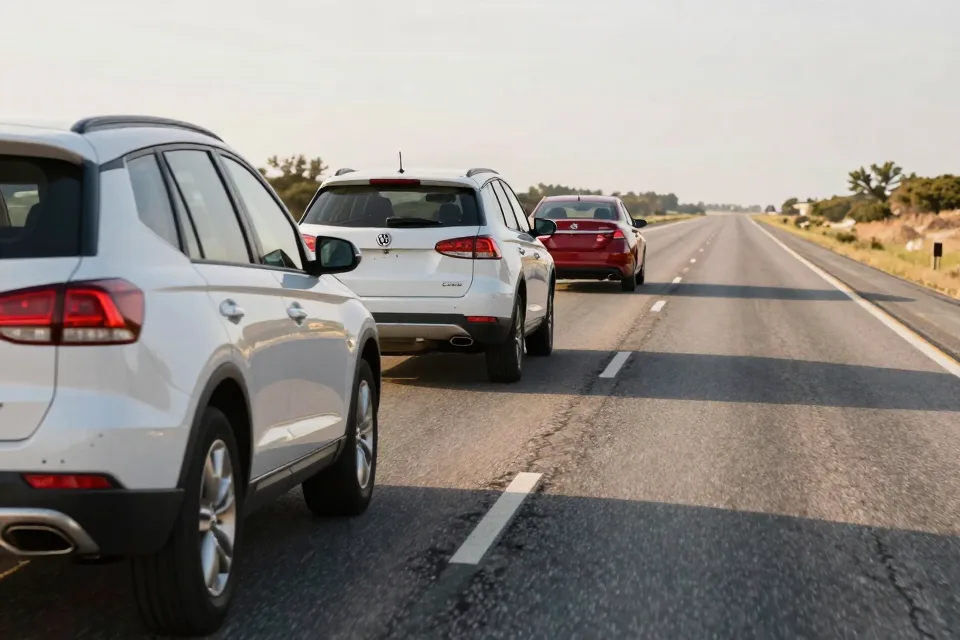
Every defensive driving habit starts with space, because space is time. The driver who stays a full three seconds behind the car ahead has time to see a problem, decide what to do, and act on it. The driver who rides a bumper has almost none.
The standard measure is the three-second rule, which the National Safety Council recommends as a minimum in clear conditions. Here is how to use it. Pick a fixed object ahead — an overpass, a road sign, a shadow on the pavement. When the vehicle in front of you passes that object, start counting: one-one-thousand, two-one-thousand, three-one-thousand. If you reach the object before you finish counting, you are following too closely. Ease off the gas and try again.
Three seconds is the floor, not the goal. Add one second for rain, snow, darkness, heavy traffic, or a large truck up ahead. Drive at night in the rain and your cushion should stretch to five or six seconds. When you are tired, add still more. Space is the one buffer that never fails you, because it quietly buys the time that every other skill depends on.
Rule 2: Keep Your Eyes Moving
Safe drivers do not stare at the car in front of them. They keep their eyes moving — far ahead, to the sides, and behind — so nothing sneaks up on them. Defensive driving courses teach a simple target: look about 12 to 15 seconds down the road, far enough to spot trouble while there is still time to avoid it.
At the same time, check your mirrors every five to ten seconds so you always know what is behind you. Before changing lanes, make it a habit to check the mirror and then glance over your shoulder; the mirror misses the blind spot every time, and the shoulder glance is the only way to cover it.
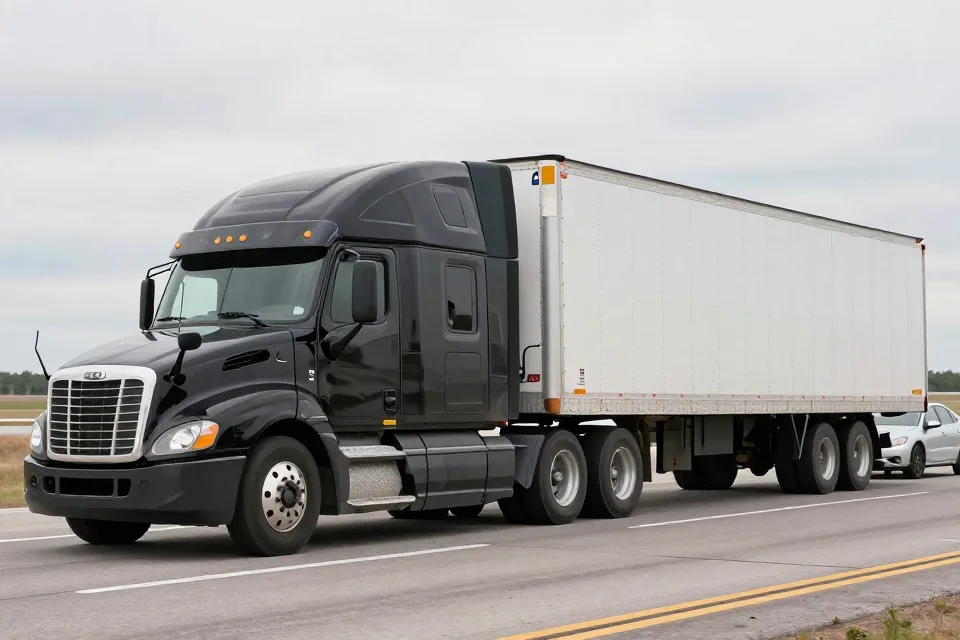
Be extra careful around large trucks, which carry big blind spots at the front, on both sides, and directly behind. A practical test: if you cannot see the truck driver in the side mirror, the driver cannot see you. Pass trucks quickly and cleanly, and never linger beside one.
Rule 3: Expect the Unexpected
The heart of defensive driving is a simple assumption: the other driver may do something wrong, so plan as if they will. That mindset pays off most at intersections. Approach them with your foot ready to brake, look for cross traffic in every direction, and do not assume the other driver will yield the right of way — even when the law says they should.
Expect surprises from side streets, driveways, and parking lots, and keep an eye on drivers who drift between lanes or brake for no visible reason. A car that swerves slightly or slows constantly is a car to give extra room, not to follow closely.
Give yourself time instead of pressure. Leaving ten to fifteen minutes earlier than you think you need removes the urge to speed, and speed limits are not suggestions — NHTSA data shows speeding remains a factor in more than 11,000 crash deaths a year. The minutes you save by hurrying are rarely worth the margin you lose.
Rule 4: Adjust for Conditions
Perfect conditions are the exception, not the rule, and the same road asks different things of you in rain, fog, darkness, and heavy traffic. When traction and visibility drop, slow down and stretch your following distance. A few extra seconds of space in bad weather cost nothing and can be the difference between a close call and a crash.
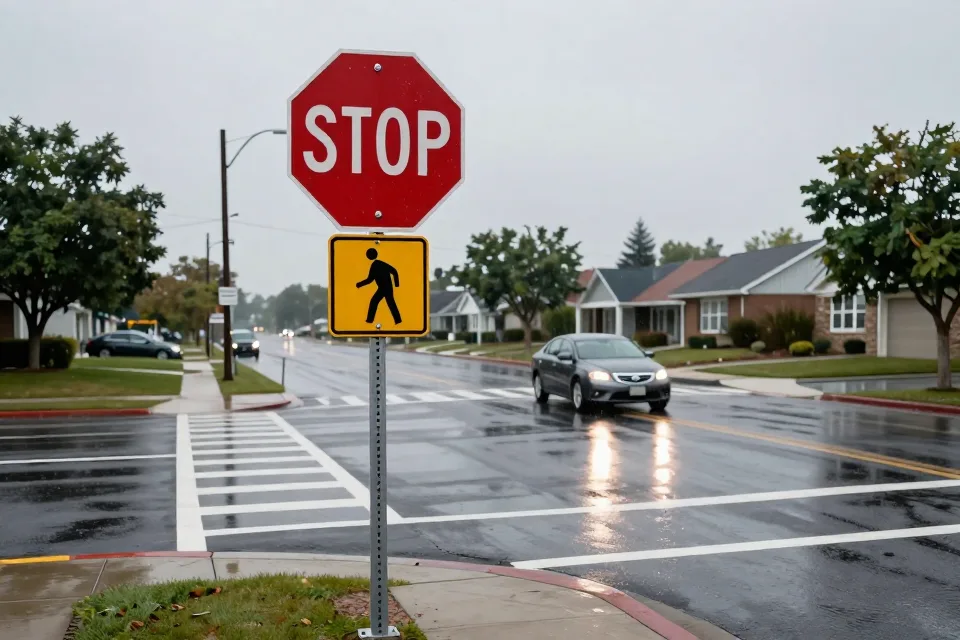
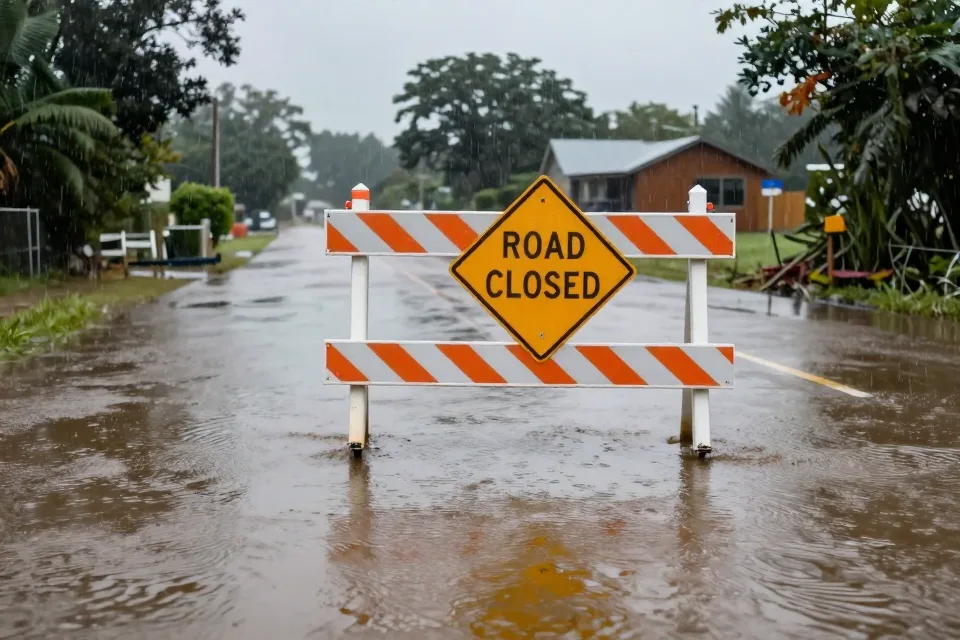
Flooded roads are a special case: never drive through moving water. According to NOAA's National Weather Service, six inches of moving water can knock a person down, twelve inches can carry away most cars, and two feet can carry away most SUVs and trucks. Turn around and find another route. It is not worth the gamble.
Night driving deserves its own caution, especially as we get older. Vision declines with age for everyone, and glare from oncoming headlights makes nighttime roads harder to read. NHTSA's guidance for older drivers is practical: adjust your habits instead of pushing through — favor daylight driving, stick to familiar routes, and avoid getting behind the wheel when you are tired or rushed.
Rule 5: Keep the Car — and Yourself — Ready
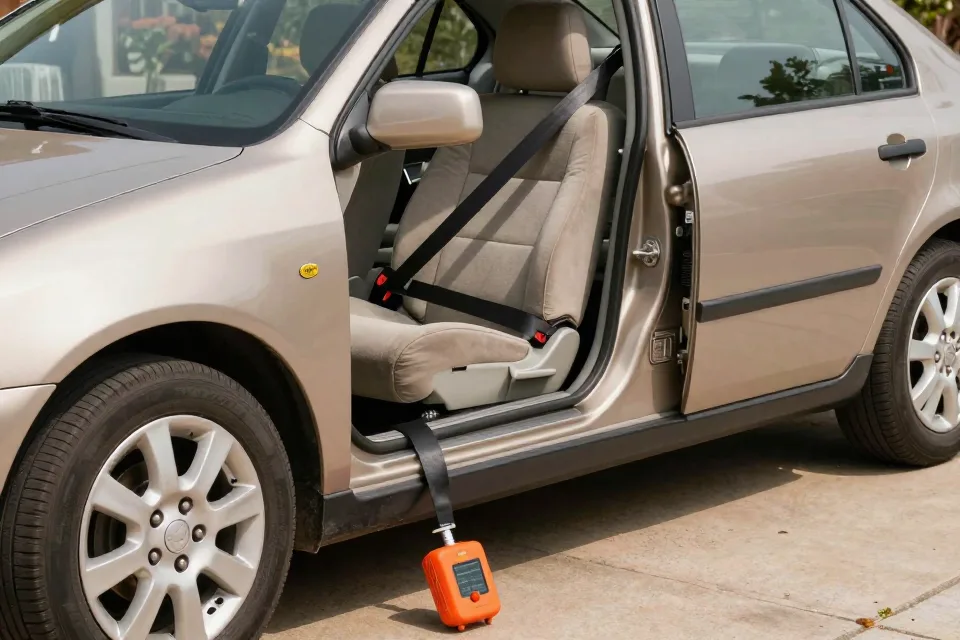
A defensive driver prepares before the trip, not just during it. Buckle up every time, in every seat — NHTSA lists it as the top safety habit for every trip. Then check for vehicle safety recalls at least twice a year at NHTSA.gov/Recalls, where you can enter your VIN and find out about open recalls that are repaired for free.
A two-minute walk-around before a long trip — tires, lights, wipers, fluids — catches most problems before they become roadside emergencies. And prepare yourself, not just the car: some common medications, including ones for blood pressure, sleep, and allergies, can cause drowsiness that impairs driving. Ask your doctor or pharmacist whether anything you take could affect you behind the wheel.
Keep your phone out of reach while driving, and if you travel with grandchildren, never leave a child alone in the car — even for a minute, even in mild weather, because a vehicle interior heats up quickly.
Common Mistakes Even Careful Drivers Make
Even experienced drivers slip into these habits. Each one is easy to fix once you notice it:
| Mistake | Why It Hurts | What to Do Instead |
| --- | --- | --- |
| Riding the bumper of the car ahead | Wipes out your reaction time | Count a full three seconds before relaxing |
| Staring at the car in front of you | You miss the trouble building ahead | Scan 12 to 15 seconds down the road |
| Trusting mirrors alone | Blind spots go uncovered | Add a shoulder glance before every lane change |
| Lingering beside a big truck | The driver cannot see you at all | Pass cleanly or fall back out of the no-zone |
| Assuming a green light means go | Red-light runners and cross traffic | Look both ways before entering the intersection |
| Driving on autopilot on familiar roads | Attention drifts and reaction slows | Keep your eyes moving and name hazards out loud |
| Racing the clock to every appointment | Speeding becomes the default | Leave 10 to 15 minutes earlier than needed |
| Checking the phone at stoplights | Attention stays split the whole trip | Stow the phone before you start the engine |
Your Defensive Driving Checklist
Run through this list before you start the engine, and again in your mind as you drive:
-
Buckle up before the key turns
-
Phone stowed out of reach
-
Seat and mirrors set before you move
-
Scan 12 to 15 seconds ahead; check mirrors every 5 to 10 seconds
-
Keep a three-second cushion, and add seconds in bad weather
-
Glance over your shoulder on every lane change
-
Approach intersections ready to brake
-
Slow down in rain, fog, darkness, and heavy traffic
-
Never drive through moving floodwater — turn around
-
Check for recalls twice a year; fix open ones for free
Defensive driving does not ask for heroics. It asks for attention, space, and a little patience — the cheapest insurance you will ever buy. Practice these basics on your next trip, and they will become habits before you notice.
The information in this article is general driving guidance, not legal or medical advice, and traffic laws vary by state. For more on how we handle content, see our disclaimer.
Sources
- [authority] https://www.nhtsa.gov/ten-tips-for-safe-driving