
Yellow Lights: Stop or Go? A Simple Guide
The Two-Second Question
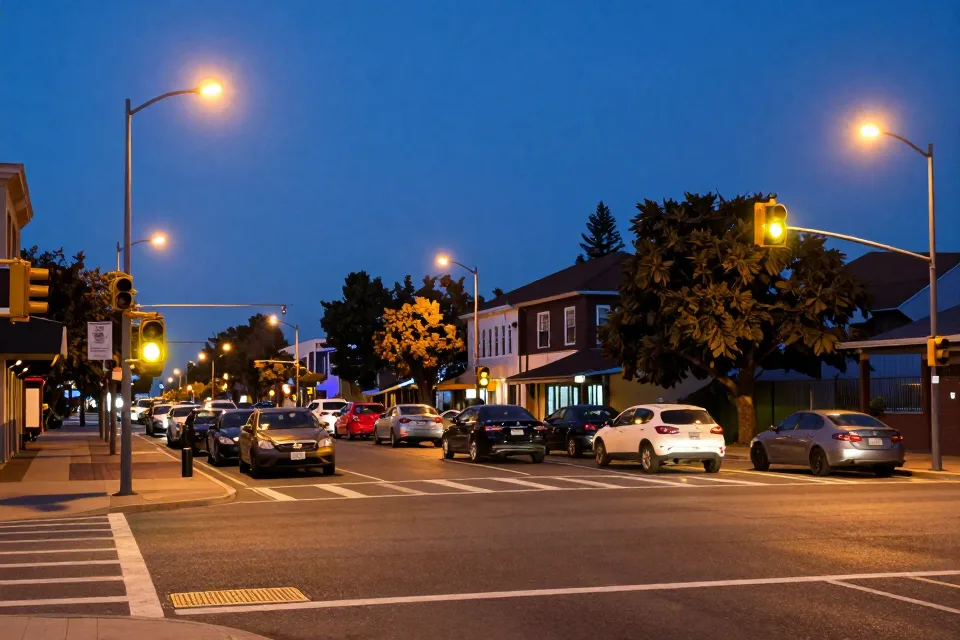
The light ahead turns yellow, and your brain starts a race. Brake or gas? The choice feels urgent — you may have two or three seconds to make it. Most of us decide by instinct, and instinct is often wrong.
The yellow light is one of the most misunderstood signals on the road. Some drivers treat it as a dare. Others slam the brakes no matter what. Both habits cause crashes, tickets, and close calls.
Here is the good news: the yellow light is simpler than it looks. There is a rule you can carry in your head, a few facts about how these lights are timed, and a short checklist that works at any intersection. This guide walks you through all three.
What the Yellow Light Actually Means
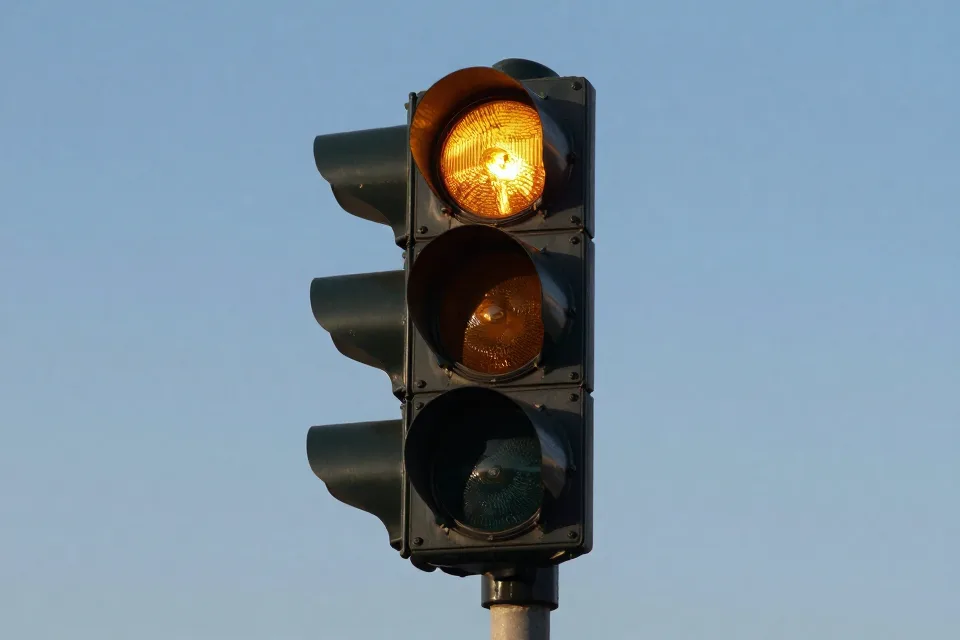
In the official traffic-engineering rulebook — the federal Manual on Uniform Traffic Control Devices, or MUTCD — the yellow change interval has one exclusive job: to warn traffic that the right-of-way is about to change. In plain English, the green light is ending, and another direction of traffic will soon get the go-ahead. The yellow is a warning, not a starting gun.
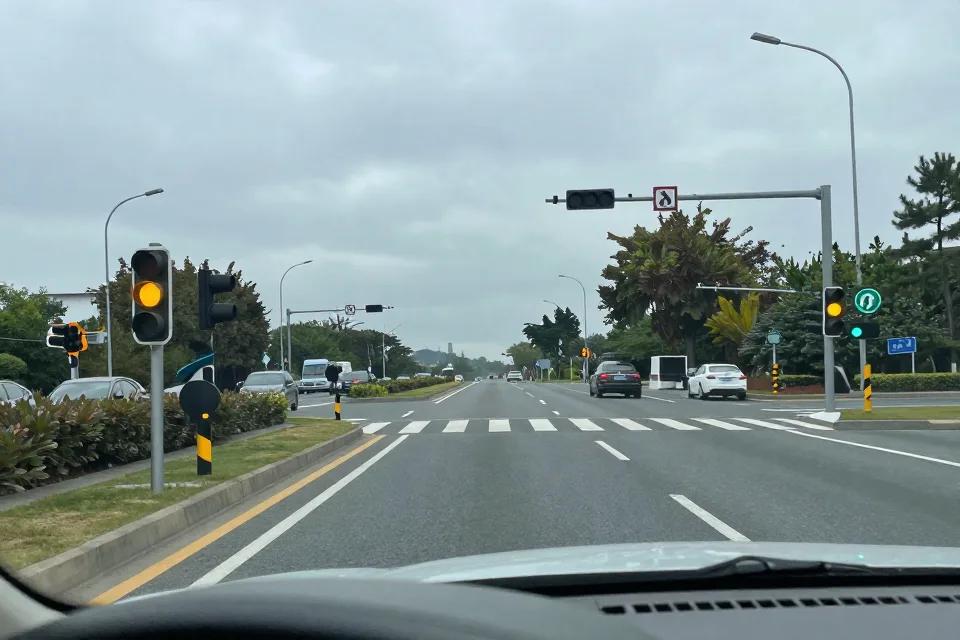
That idea shapes the law. The basic rule across the country is the same: stop before the stop line if you can do so safely. Crossing the line and entering the intersection after the signal has already turned red is a violation. Drivers already sitting in the intersection — say, a driver waiting to turn left — are not counted as red-light runners when the light changes. And turning right on red without coming to a full stop first can also count as running the light, in places where right-on-red is allowed.
So the yellow is not “hurry up.” It is “prepare to stop.”
How Long Does the Yellow Last?
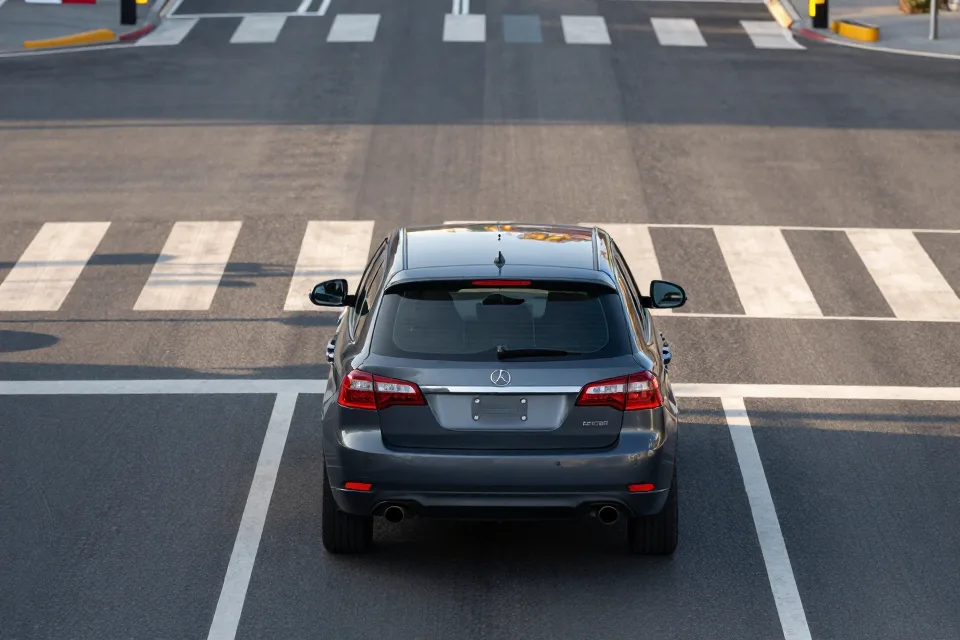
There is no single national number. No federal law fixes the length of a yellow light; states and local agencies set each signal’s timing using engineering practices, as the MUTCD requires. That is why yellows feel different from town to town.
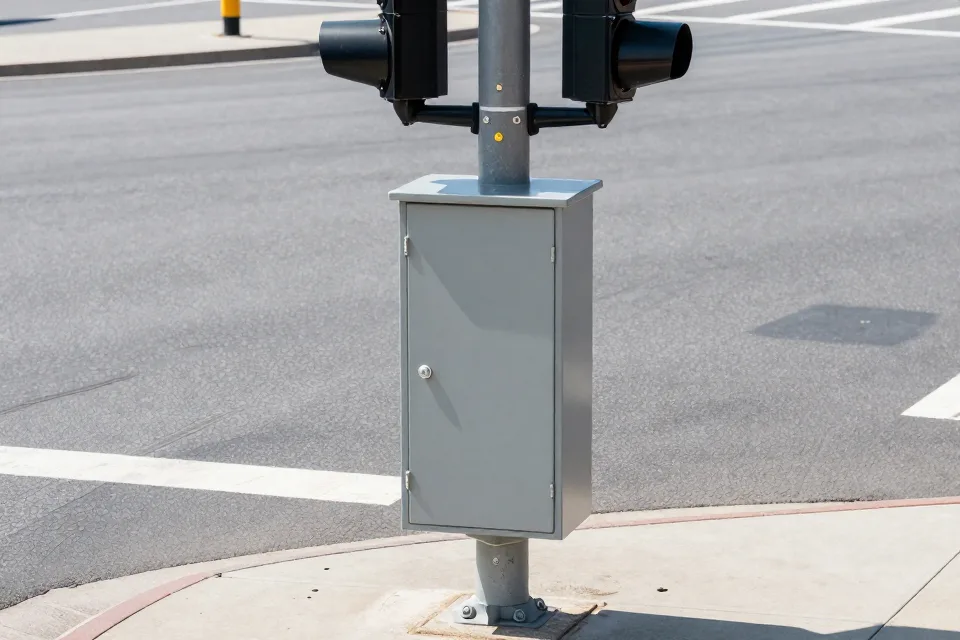
Typical practice: most traffic-engineering sources set the yellow change interval at 3 to 5 seconds, and MUTCD guidance caps it at about 6 seconds. A common engineering rule of thumb: count about one second of yellow for every 10 mph of approach speed. A 25 mph side street might get a 3-second yellow, while a 55 mph arterial could get 5 or 6 seconds — sometimes followed by a red clearance interval, the brief moment when all directions show red, so the intersection can empty out. FHWA guidance suggests that red clearance interval should not exceed about 6 seconds.
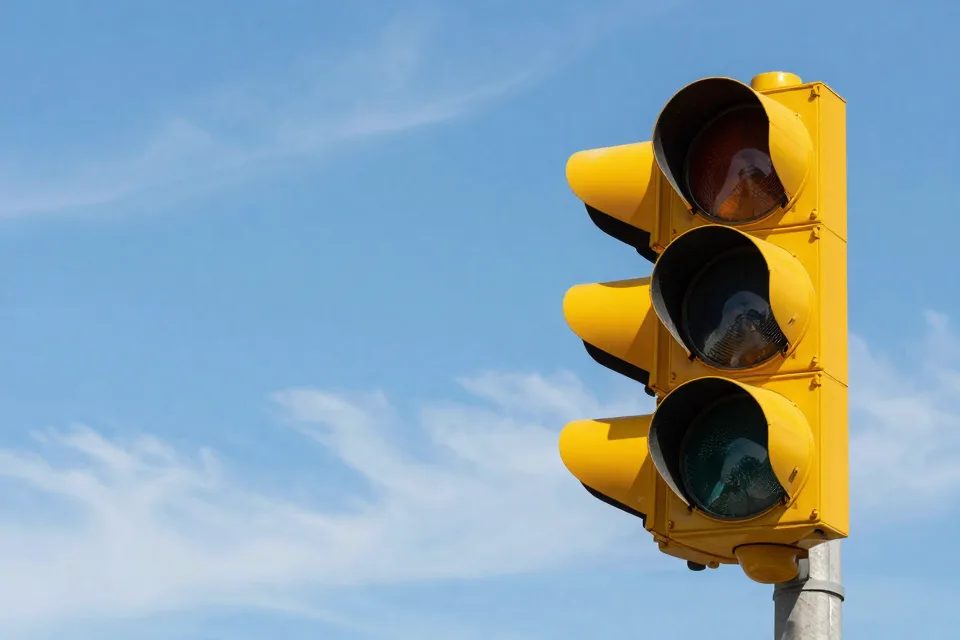
These seconds matter. When Philadelphia lengthened its yellows by about one second, red-light violations fell 36 percent. Longer, correctly timed yellows reduce red-light running and the crashes that come with it.
The Stop-or-Go Rule
You can decide almost any yellow with three questions:
-
Are you already in the intersection? Then you are committed — finish crossing. Do not stop mid-intersection.
-
Can you stop comfortably before the stop line? If yes, stop. That is the expected choice.
-
Is there a vehicle close behind you? If a hard stop could cause a rear-end crash, ease through the intersection at a steady speed — but do not accelerate.
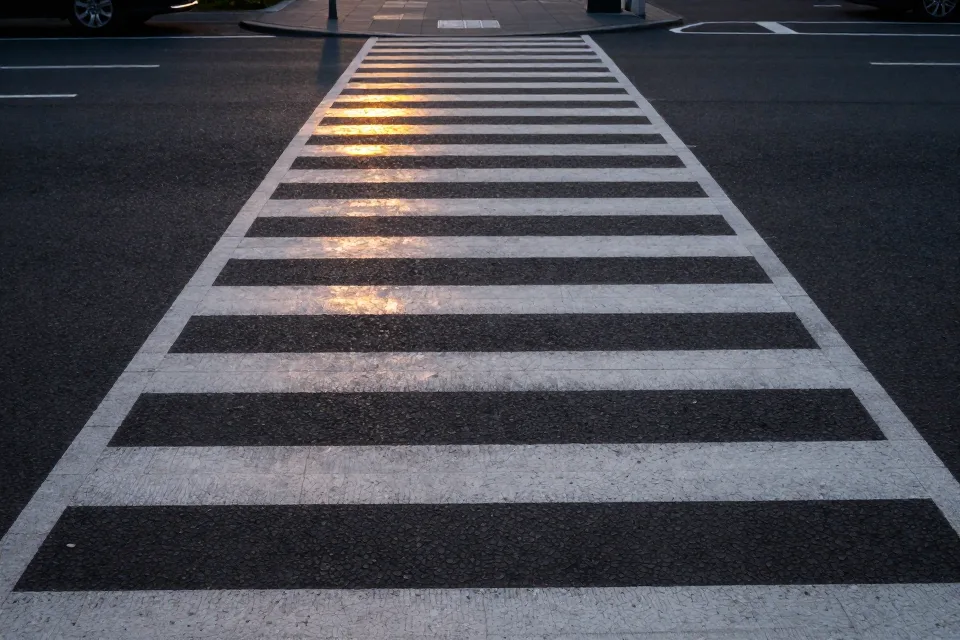
The hard case is the “dilemma zone”: close enough that stopping is a stretch, far enough that clearing the intersection feels risky. Engineers have studied this zone for decades. When you are in it, the safe move is to hold your speed and continue through — no flooring it, no brake-slamming. A steady car is a predictable car, and predictability is what prevents crashes at intersections.
One more habit worth building: watch the light, not just the car ahead. The sooner you spot a stale green or a fresh yellow, the more time you give yourself to choose well.
What Running the Light Really Costs
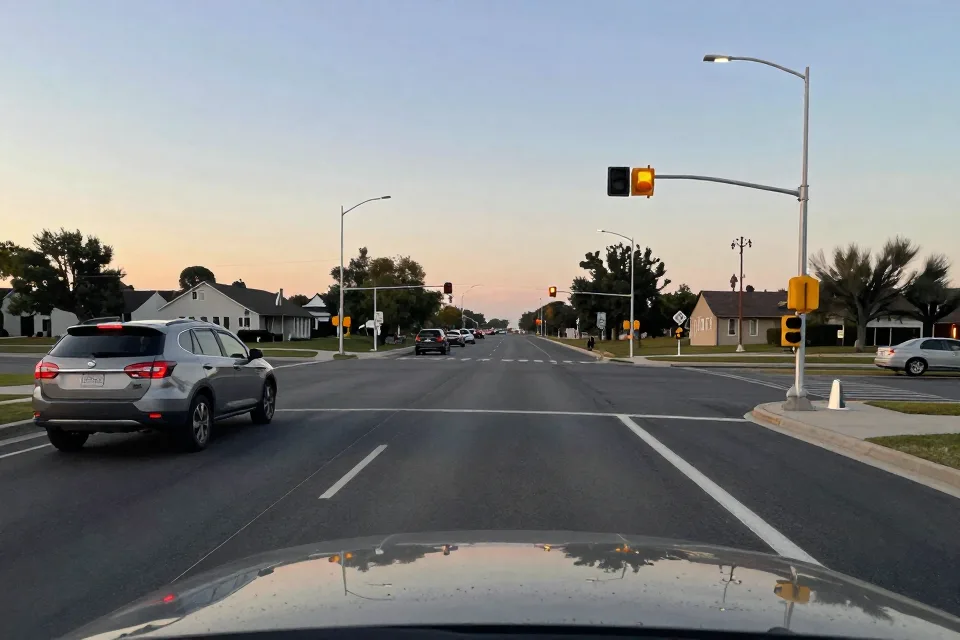
The statistics are sobering. In 2024, red-light-running crashes claimed 1,119 lives in the United States, and injuries in those crashes topped 141,000 people. Roughly half of those who died were pedestrians, cyclists, or occupants of other vehicles — people who did not run the light themselves.
Drivers know better and do it anyway. In a 2024 AAA Foundation survey, about 80 percent of drivers said driving through a red when a safe stop was possible is very or extremely dangerous — yet 27 percent admitted doing it in the previous 30 days.
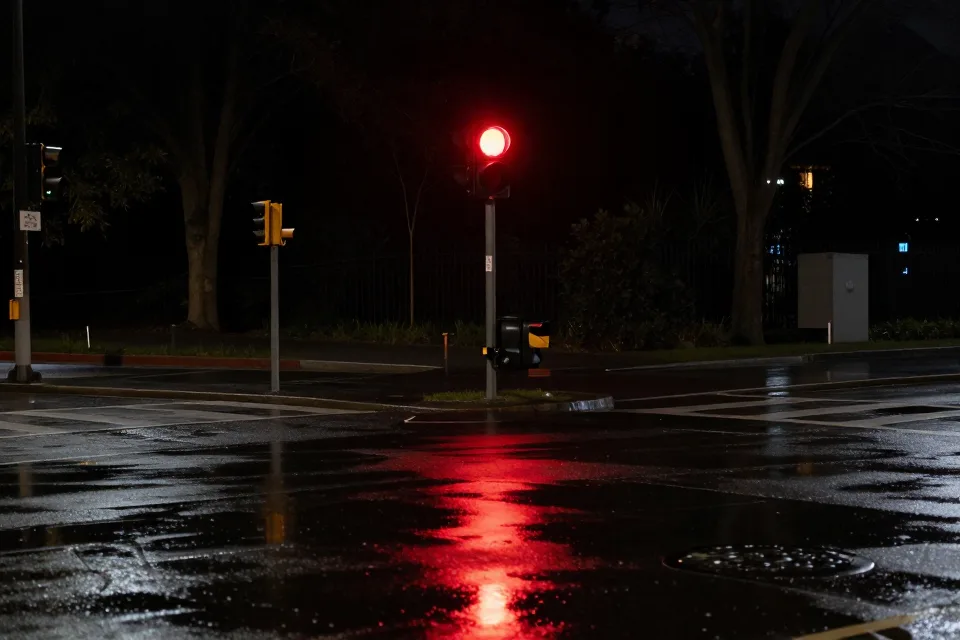
Red-light running is not rare. In a study at five busy intersections, a motorist ran a red light, on average, once every 20 minutes at each intersection. And in fatal red-light-running crashes, the drivers at fault were more likely to be speeding, impaired, or driving without a valid license — a pattern that makes the light itself the least of the problem.
Common Mistakes at Yellow Lights
Even careful drivers build bad habits at signals. The most common:
-
Flooring it to beat the light. The yellow is not a race start. Accelerating through an intersection you could have stopped for is how people get T-boned.
-
Slamming the brakes at the last second. A sudden stop turns a safe decision into a rear-end crash. If you are too close to stop smoothly, continue through.
-
Treating yellow as “green plus a few seconds.” That mindset stretches the light in your head and leads to entering on red.
-
Creeping into the intersection to wait for a left-turn gap. You are allowed to be there, but you still clear only when it is safe, and lingering can block cross traffic.
-
Honking at a driver who chose to stop. The law expects drivers to stop when they can. The person in front of you is doing the right thing.
-
Tailgating through the light. If a big vehicle blocks your view of the signal, you cannot time your decision.
-
Glancing at your phone in the last 200 feet. The decision window is only seconds long; one look down can eat it entirely.
Yellow Arrows and Flashing Yellows
Not all yellows work the same way. The basics:
-
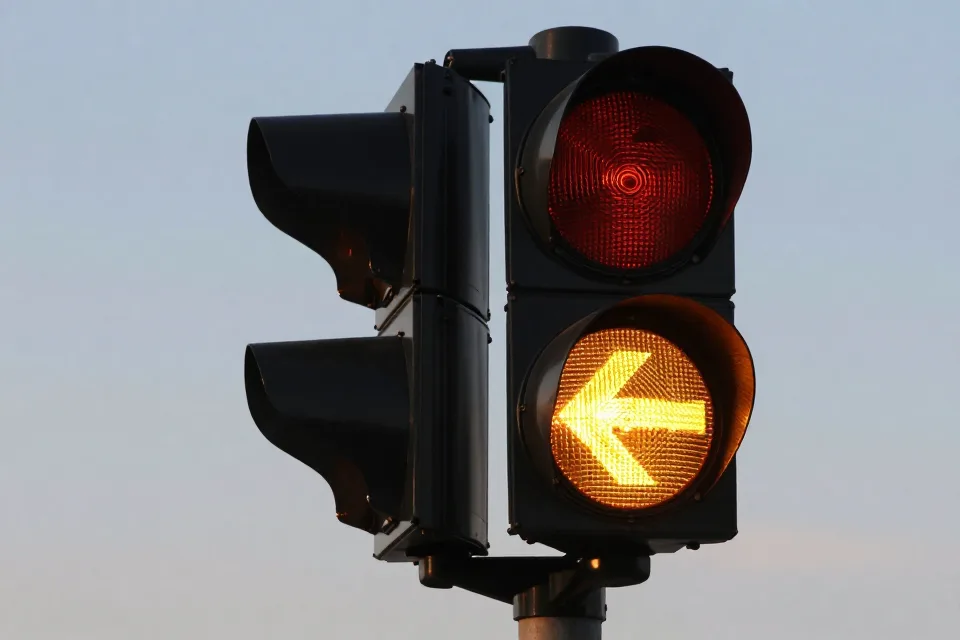
Steady yellow arrow — prepare to stop; the turn signal is about to change.
-
Flashing yellow arrow — left turns are permitted, yet oncoming traffic keeps the right of way, so yield to cars and pedestrians before you go. It is a permissive turn, not a protected one.
-
Flashing yellow light — proceed with caution. The intersection is not running a normal cycle; treat it like a yield.
Red Light Cameras: What to Know
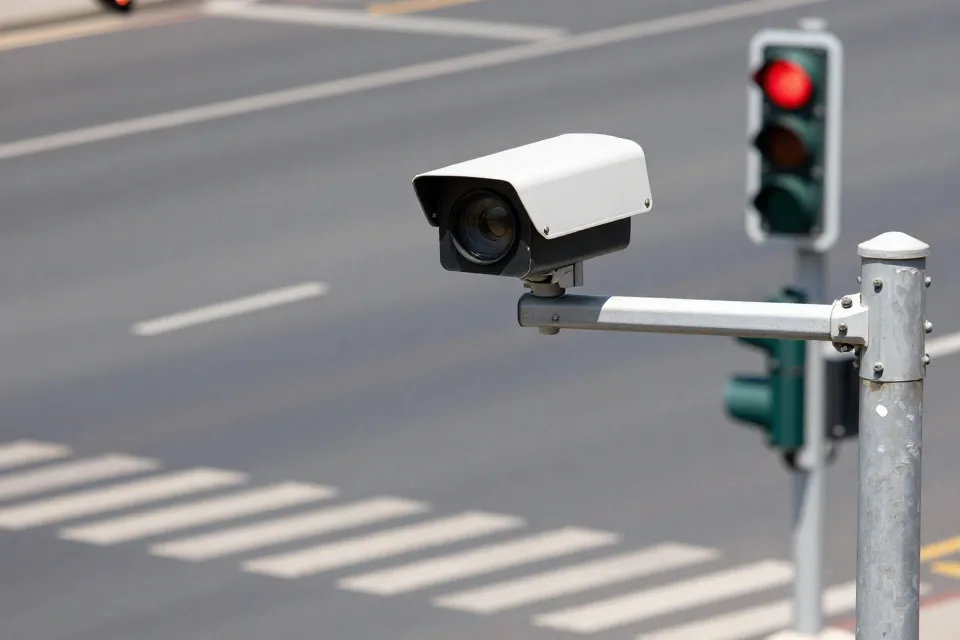
Where cameras are installed, they photograph vehicles that enter the intersection on red. In standard practice, a trained officer or authorized staffer reviews every image before a ticket is issued — a ticket goes out only with clear evidence of a violation.
Most states treat camera citations as civil offenses, not moving violations that add points to your license. Three states — Arizona, California, and Oregon — treat them like tickets written by an officer at the scene.
Do cameras work? Large cities that keep them running log 21 percent fewer fatal red-light-running crashes than cities without them, and all fatal crashes at signalized intersections drop 14 percent. In 14 cities that turned their cameras off between 2010 and 2014, the fatal red-light-running rate climbed 30 percent above what it would have been had the cameras stayed on. There is a trade-off: a federal study across seven cities found right-angle crashes fell about 25 percent while rear-end crashes rose about 15 percent — a reminder that sudden stops have their own cost.
Every Light Is a Fuel Lesson
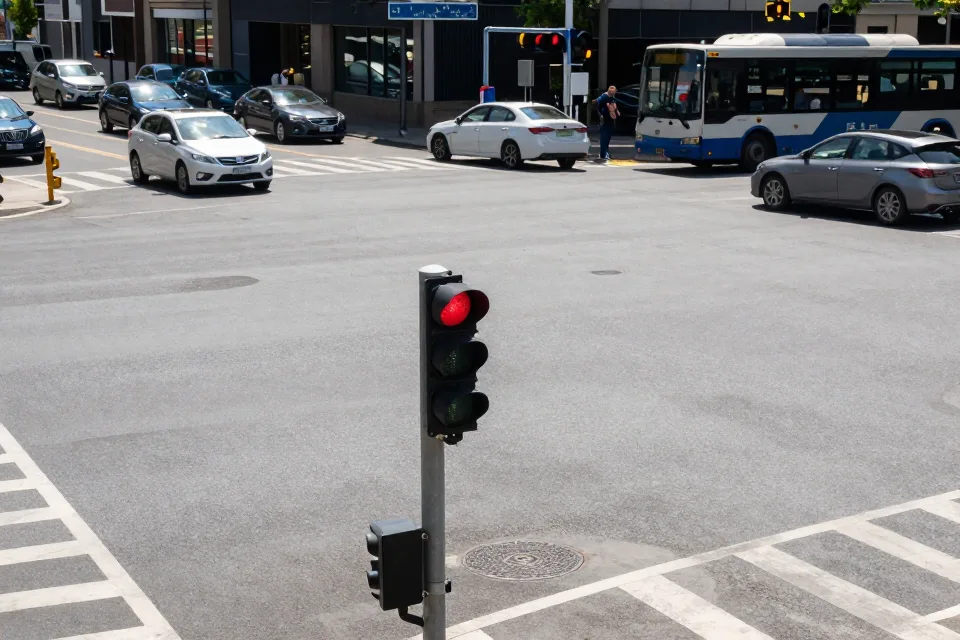
How you treat your gas pedal at signals is a fuel-economy story. Aggressive driving — speeding, rapid acceleration, and hard braking — can lower gas mileage by 15 to 30 percent at highway speeds and 10 to 40 percent in stop-and-go traffic, according to the federal fueleconomy.gov program.
Coasting toward a red light instead of racing it does two things at once: it uses almost no fuel while you roll, and it often lets the light change before you arrive, so you never fully stop. Your brakes thank you too.
A Note for Drivers 45 and Older
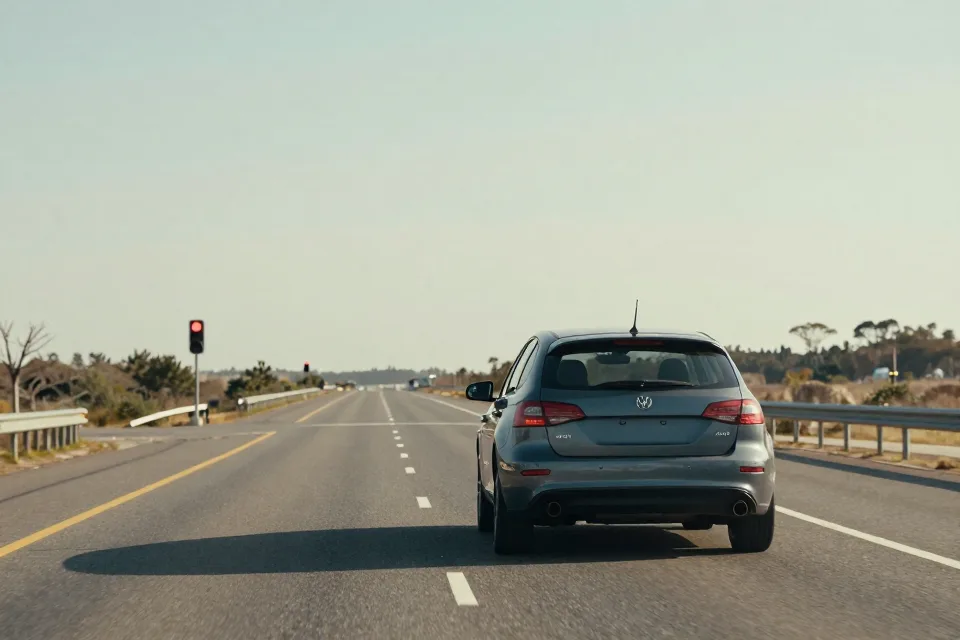
This guide is written for drivers over 45, because the yellow-light decision leans on the skills age affects most: vision, quick judgment, and physical response. In 2024, crashes on U.S. roads killed 7,894 people aged 65 and older, and mature drivers have a higher crash risk per mile driven than middle-aged drivers — in part because the abilities driving depends on, vision, cognition, and motor function, can fade with the years.
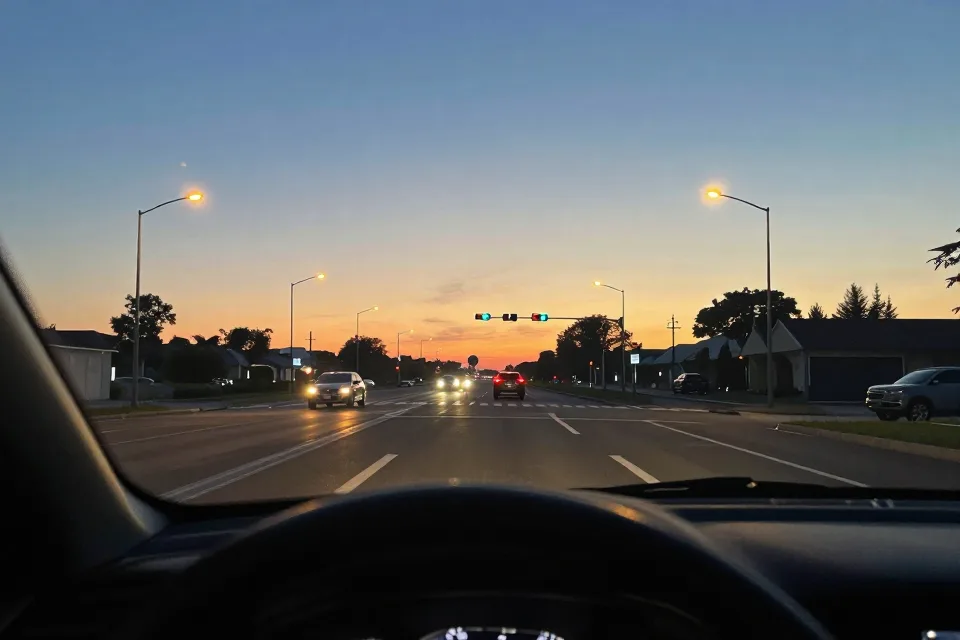
That is not a reason to stop driving. It is a reason to give yourself more margin: start braking a touch earlier, keep a bigger following gap so the car ahead never hides the signal, and scan the light well before you reach the intersection. Keep the windshield, mirrors, and headlights clean — at dusk, a dirty windshield turns a yellow light into a guess.
Your Yellow-Light Checklist
-
When you see a green, glance at it and form a plan: if it turns yellow soon, where will you stop?
-
If the light turns yellow and you can stop safely, stop — every time.
-
If you are too close to stop smoothly, hold your speed and clear the intersection; never accelerate to beat the light.
-
Never enter on red. Crossing the stop line after the signal turns red is a violation.
-
Watch the signal, not the bumper in front of you, and keep a gap big enough to see around the car ahead.
-
On a flashing yellow arrow, yield to oncoming traffic before turning left.
-
Coast toward reds and stale greens; it saves fuel, brake wear, and rear-end risk.
The information in this article is general guidance, not legal advice or a substitute for the traffic laws in your state. For more on how we handle content, see our disclaimer.
Sources
- [authority] https://www.iihs.org/research-areas/red-light-running