
Winter Driving: How to Get Your Car Ready
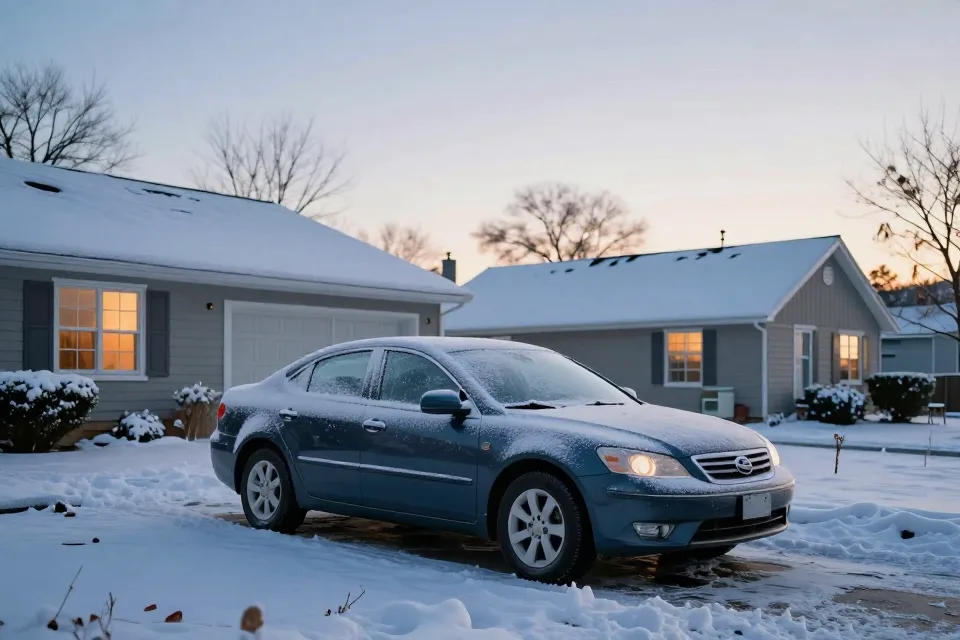
Cold Weather Finds What Summer Hid
Your car can run like a dream in October and still fail you on the first truly cold morning of the year. That is not bad luck. It is a predictable chain of events. Winter simply exposes the weak spots that summer never showed you: a tired battery, shallow tread, old wiper blades, coolant that has seen better days.
The good news is that almost every one of those failures can be prevented in a single afternoon. You do not need to be a mechanic, and you do not need to spend a fortune. You need a checklist, a few tools you probably already own, and maybe one visit to a shop for a battery test.
Think of this guide as your before-the-storm routine. It covers what to check, what to fix, and what to keep in your trunk, in plain English and in an order that makes sense. If you do nothing else this fall, do the tire check and the battery test. Those two items cause the most cold-weather misery by far.
Why Winter Deserves a Plan
The numbers make a convincing case. Research by the AAA Foundation for Traffic Safety shows that winter storms are a factor in nearly half a million crashes and more than 2,000 road deaths every winter.
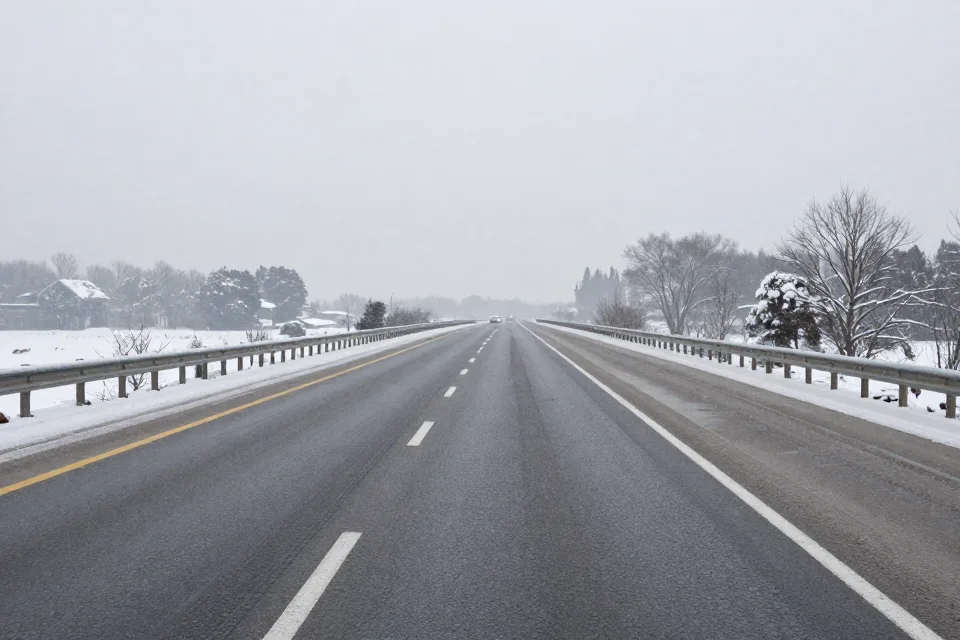
Federal data tells the same story. NHTSA counted about 101,390 police-reported crashes in 2023 that happened while snow or sleet was falling, including 320 fatal crashes and about 22,293 crashes with injuries.
The Federal Highway Administration adds that roughly one in four weather-related crashes happens on snowy, slushy, or icy pavement. Those conditions kill more than 1,300 people and injure more than 116,800 people in an average year.
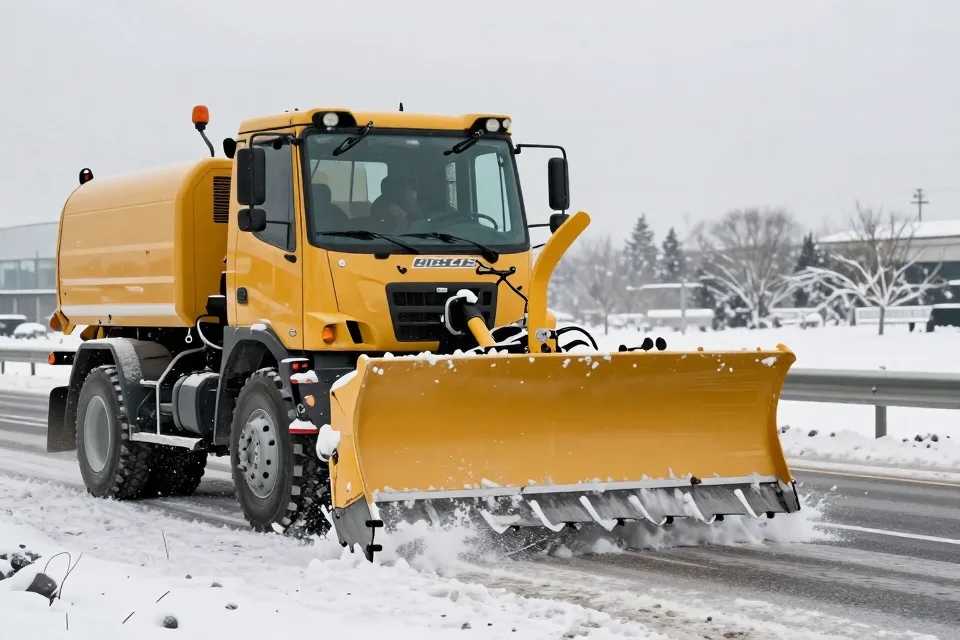
None of this means you should park your car from December to March. It means winter driving is a different activity, and the car that handles it best is the one prepared before the storm arrives, not after.
Start With Your Tires
Tires are the only part of your car that touches the road, which makes them the most important item on this list. Three things matter: tread depth, air pressure, and the type of tire.
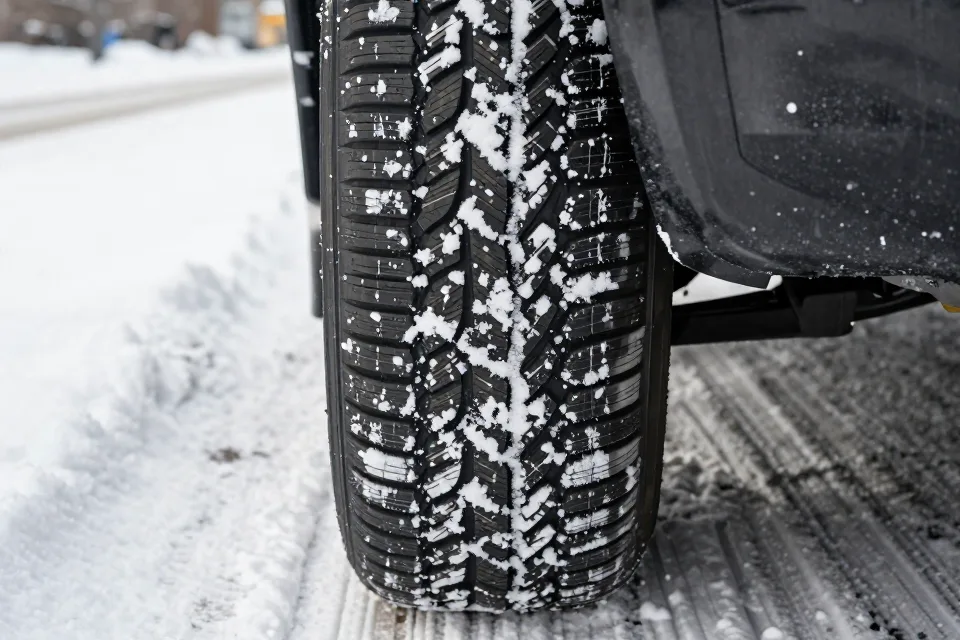
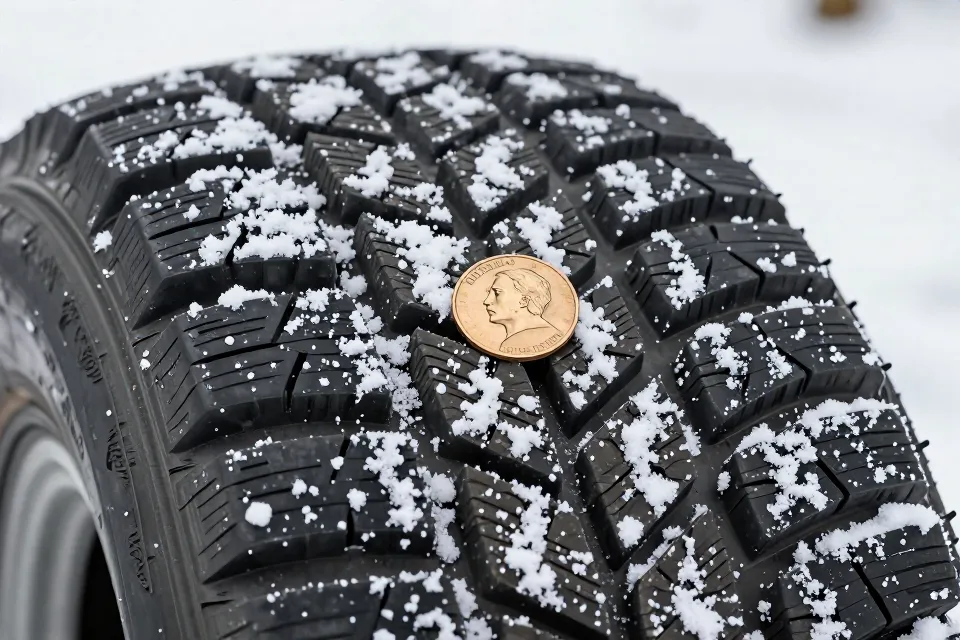
Check the tread. The legal minimum in the United States is 2/32 of an inch of tread, according to NHTSA. The old penny trick works: place a penny in a tread groove with Lincoln's head pointing down. If you can see all of his head, your tread is at or below the minimum and the tire needs replacing. Safety experts suggest going further for winter. Consumer Reports recommends thinking about new tires once tread reaches about 4/32 of an inch, because worn tires lose their grip in slush well before they look bald.
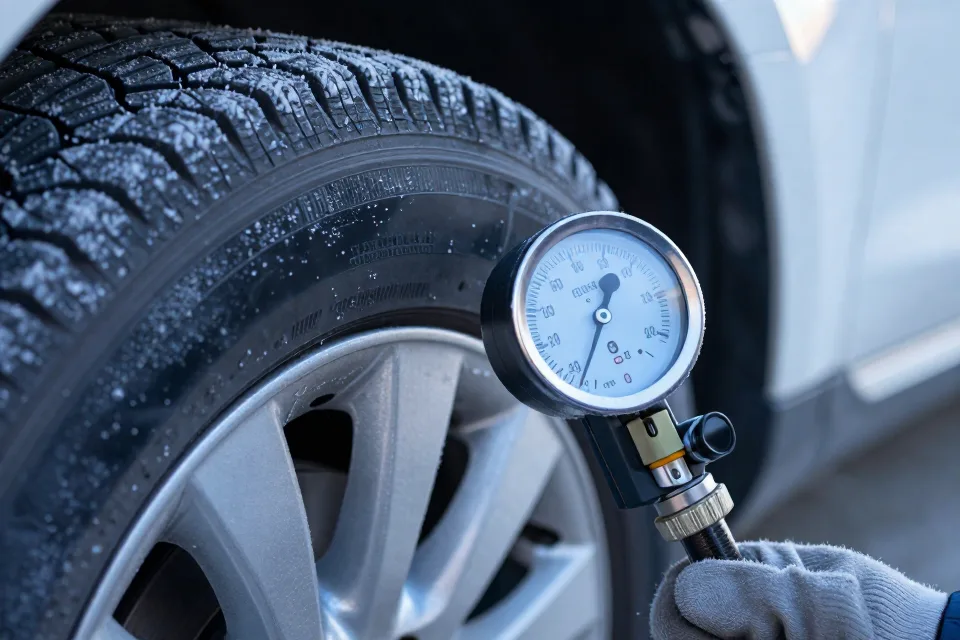
Check the pressure. Cold air makes tires lose air. As a rule of thumb, pressure drops about 1 pound per square inch for every 10 degrees Fahrenheit the temperature falls. A tire that was fine in September can be noticeably soft by January. Check your pressure at least once a month in winter, and always when the tires are cold.
Fill them to the number on the label inside your driver's door, not the number molded into the tire's sidewall. The sidewall number is the maximum pressure the tire can hold; the door label is what your car actually needs, says NHTSA.
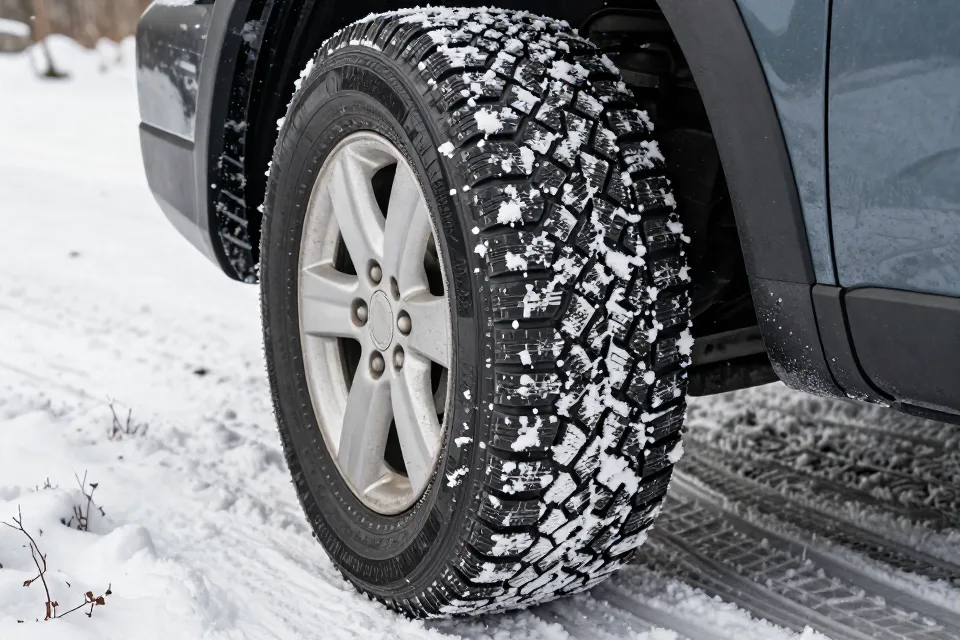
Consider winter tires. If you live where snow and ice are regular visitors, a set of dedicated winter tires is worth real money. Their rubber stays soft and grippy in cold weather, while all-season rubber turns stiff. In one independent test, two identical SUVs braked from just 12 mph on ice, and the one wearing winter tires stopped about 23 feet sooner. At highway speeds, that gap only grows.
The Battery Is the Weakest Link
Cold is brutal on car batteries because the chemical reaction inside them slows down as temperatures drop. At the same time, a cold engine needs more from the battery to turn over. AAA says a battery loses about 35 percent of its strength at 32 degrees Fahrenheit, and about 60 percent at zero degrees.
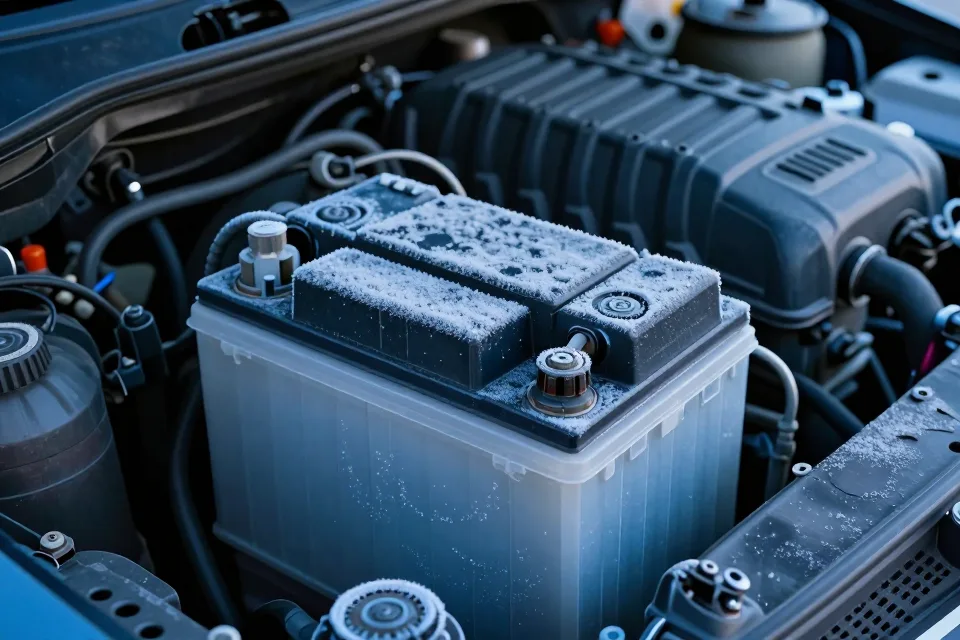
That one-two punch is why dead batteries are the most common cold-weather breakdown. The fix is simple: have your battery tested at a shop before winter. AAA says most car batteries last three to five years, so if yours is in that range, a quick load test takes minutes and tells you whether it still has enough power to start the car on a bitter morning.
While you are at it, look at the battery terminals for corrosion and make sure the cables are tight. Corrosion looks like a chalky white or blue crust, and it blocks the flow of power. A clean, snug connection costs nothing and prevents a common failure.
Fluids, Coolant, and a Full Tank
Coolant. Your engine's cooling system protects it in summer and winter alike. NHTSA says to make sure you have enough coolant and that it meets the manufacturer's specifications in your owner's manual. Ask your mechanic to check for leaks and to confirm the coolant's freeze protection.
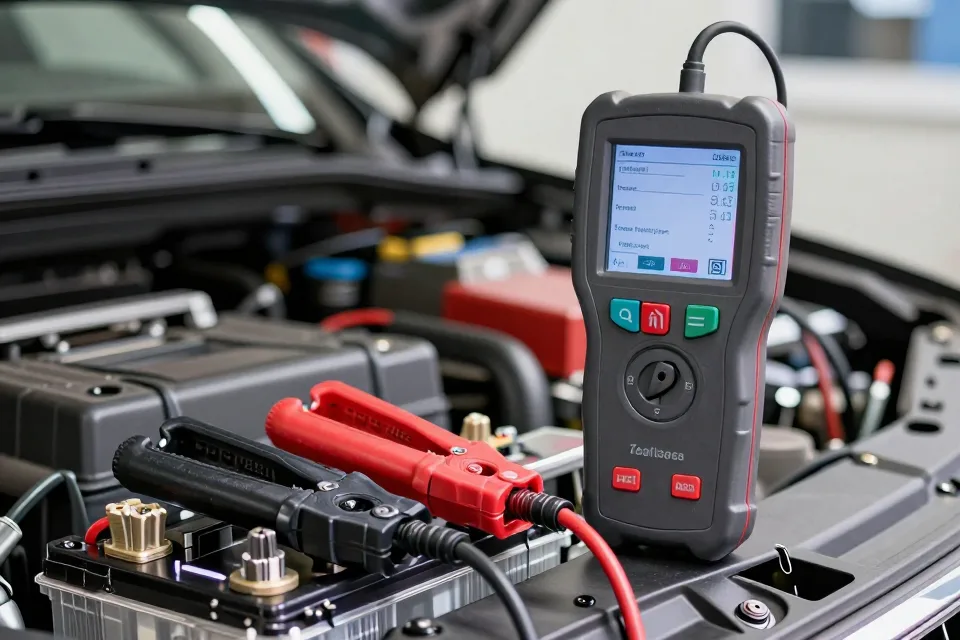
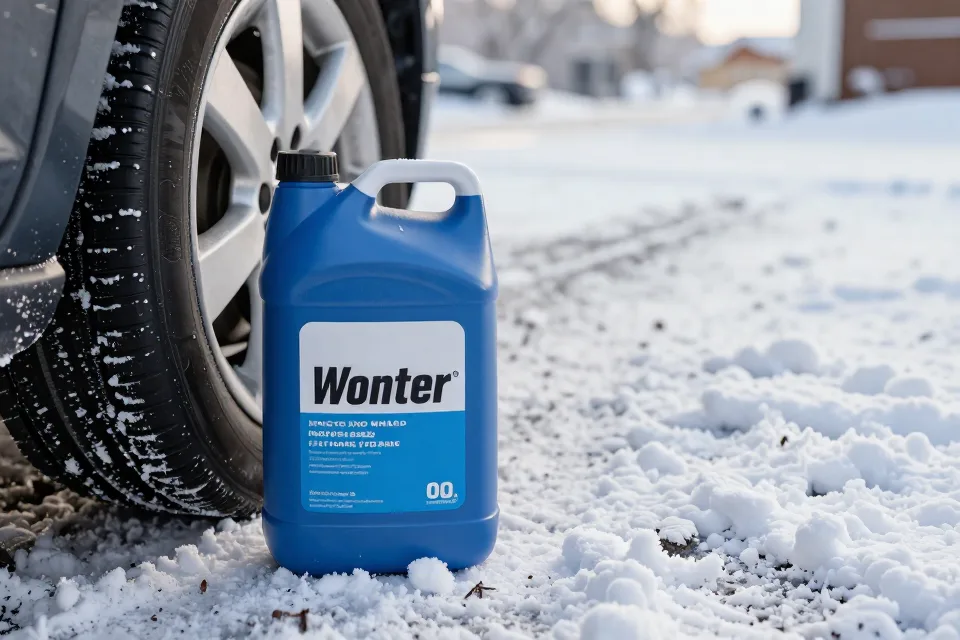
Windshield washer fluid. Regular washer fluid can freeze on the glass. Use a winter-rated fluid, and NSC suggests one rated for minus 30 degrees Fahrenheit. Keep an extra bottle in the trunk. You would be surprised how fast one snowstorm drains the reservoir.
Fuel. Keep the tank no less than half full, and closer to full if a storm is coming. AAA and NHTSA both advise this, and Ready.gov adds that a full tank also keeps the fuel line from freezing. A full tank is also your emergency heat supply if you get stranded.
Oil. Use the oil weight your owner's manual recommends. Cold oil is thicker, and the right grade flows better at startup. If your oil is due for a change, do it before the cold weather, not after.
One more thing to expect: your gas mileage will drop. The Department of Energy says a conventional gas car gets about 15 percent lower fuel economy at 20 degrees Fahrenheit than at 77 in city driving, and short trips can cut mileage by up to 24 percent. Hybrids can lose 30 to 34 percent, and EVs can see roughly 39 percent lower efficiency with range down by about 41 percent. Idling to warm up gets you zero miles per gallon, so bundle errands and drive gently.
See and Be Seen
Visibility is half of winter safety. Start with the wiper blades: if they streak, skip, or smear instead of clearing the glass in one swipe, replace them. A winter-rated blade with a rubber boot resists ice buildup and is worth the few extra dollars.
Test the heater and defroster before you need them. A fogged or frosted windshield on a cold morning is dangerous, and there is no fixing it on the side of the road. Check all your lights too: headlights, taillights, brake lights, turn signals, and the flashers.
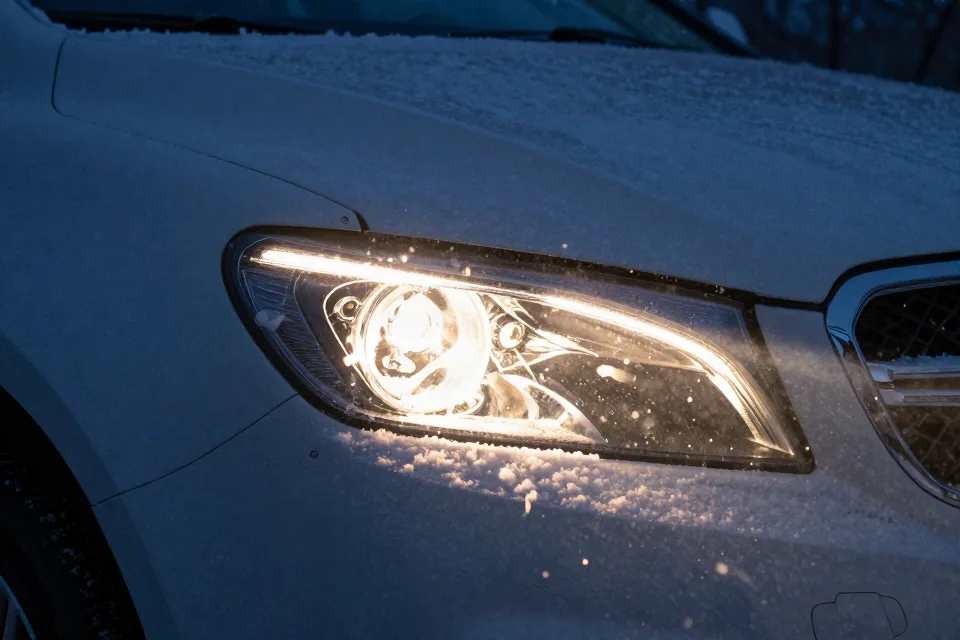
Before you drive anywhere after a snowfall, brush the snow off the whole car: roof, hood, trunk, mirrors, and lights, not just the windshield. The National Weather Service warns that snow flying off cars causes crashes. And if your car has cameras and sensors for parking or driver assistance, clear them of ice and snow. NSC notes that dirty sensors can stop features like automatic emergency braking from working.
One more often-missed item: floor mats. NHTSA warns that an oversized or improperly secured floor mat can slide under the pedals. Use mats that fit your car and snap them into the retention clips.
Build a Winter Emergency Kit
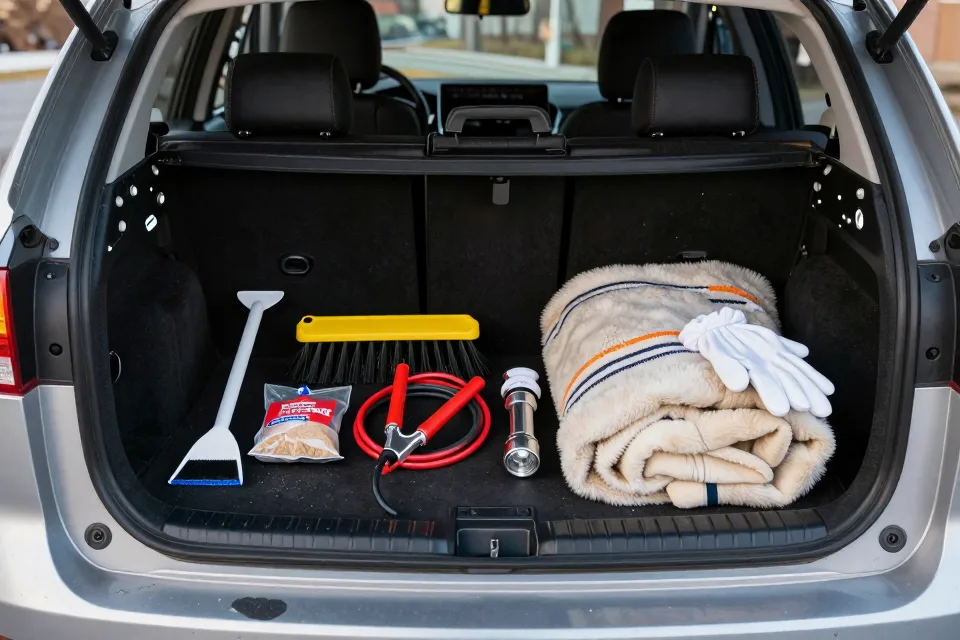
Assume the worst can happen, even on a short trip. A well-stocked kit is cheap insurance. Here is what experts at NHTSA, AAA, and the American Red Cross suggest keeping in the car all winter:
-
An ice scraper and snow brush
-
A small shovel
-
Jumper cables or a portable jump starter
-
A flashlight with spare batteries, or a crank-powered light
-
A first aid kit
-
Blankets, gloves, hats, and extra warm clothes
-
A bag of sand, cat litter, or traction mats for grip
-
Warning flares or reflective triangles
-
Bottled water and non-perishable snacks such as granola bars
-
A phone charger or power bank, and your medications
Keep the kit somewhere you can reach it without getting out of the car, and check it once a month. Water can freeze, snacks get eaten, and batteries go dead.
Common Mistakes Even Careful Drivers Make
These are the errors experienced drivers repeat every winter. See how many sound familiar.
-
Skipping the tire check because the car passed last year. Tread wears and pressure drops with every cold snap. Winter conditions can change in a week.
-
Warming up the car in a closed garage. Even with the door open, running an engine indoors can fill the space with carbon monoxide, which you cannot see or smell. Warm up outside, and keep the exhaust pipe clear of snow while you do.
-
Trusting all-wheel drive. AWD helps you go, but it does nothing to help you stop. Plenty of SUVs end up in ditches because their drivers forgot that physics applies to all four wheels.
-
Using cruise control on slick roads. If the wheels lose grip, the system can fight to hold speed at exactly the wrong moment. Drive with your foot ready.
-
Braking and steering sharply. Snow and ice punish sudden inputs. Smooth, gentle actions are the ones that keep you pointed the right way.
-
Forgetting the gas gauge. A half-empty tank in a storm is half a tank of trouble. You cannot drive on fumes, and you cannot run the heater on fumes either.
-
Leaving the emergency kit at home for a short trip. Most strandings happen close to home. The kit is useless sitting in the garage.
How to Drive in Snow and Ice
Preparation only gets you halfway; how you drive is the other half. The rules are simple but easy to forget mid-storm.
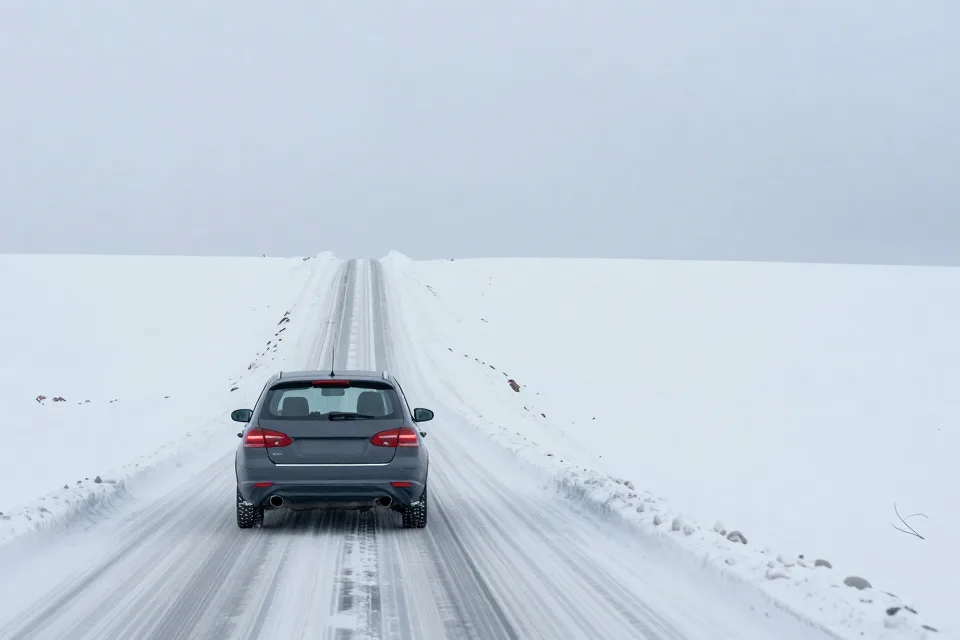
Slow down. Posted speed limits are for dry roads. On snow and ice, your stopping distance grows dramatically. The Federal Highway Administration notes that average speeds on snowy roads drop by 30 to 40 percent. Follow the crowd and drive well below the limit.
Leave a big gap. NSC recommends 8 to 10 seconds of following distance in winter conditions, far more than the usual two or three seconds. If you cannot count that far, you are too close.
Brake like a pro. If your car has antilock brakes, press firmly and hold; do not pump. The system does the pulsing for you, says NHTSA. If your car does not have ABS, gently pump the brakes if the wheels start to lock.
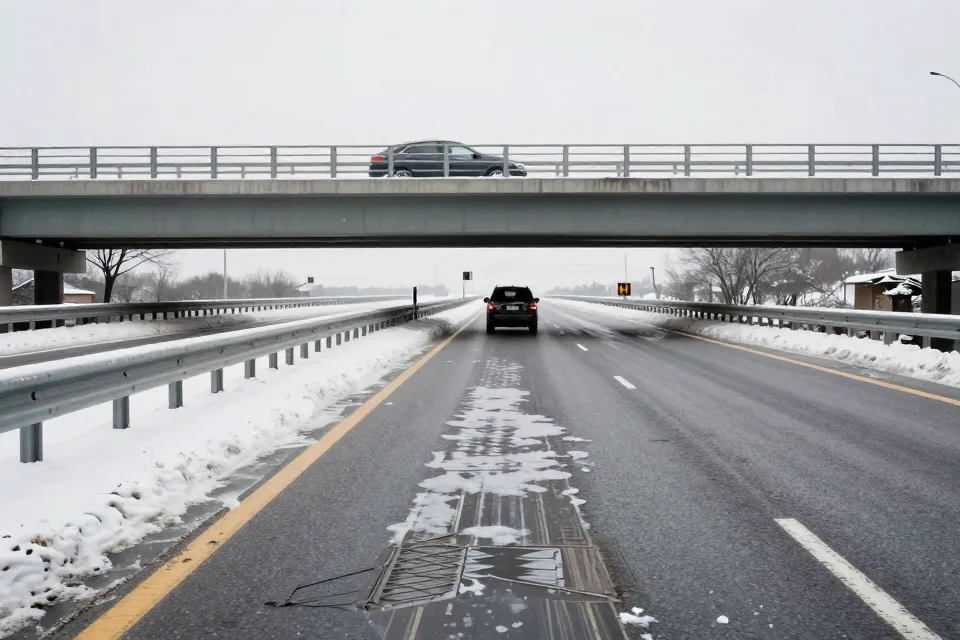
Watch the bridges. Bridges and overpasses freeze before the rest of the road because cold air hits them from above and below. The National Weather Service warns that they can be icy even when everything else looks wet.
Take hills with care. Get a little momentum before an icy incline and avoid stopping partway up, because getting moving again on ice is the hard part. Going downhill, drop to a low gear and let engine braking do the work.
Keep the cruise control off. AAA repeats this every winter for good reason: on a slippery surface, cruise control can cause a loss of control. Your foot is a better computer.
If You Get Stranded
Even a well-prepared car can end up stuck. What you do next matters as much as what is in your trunk.
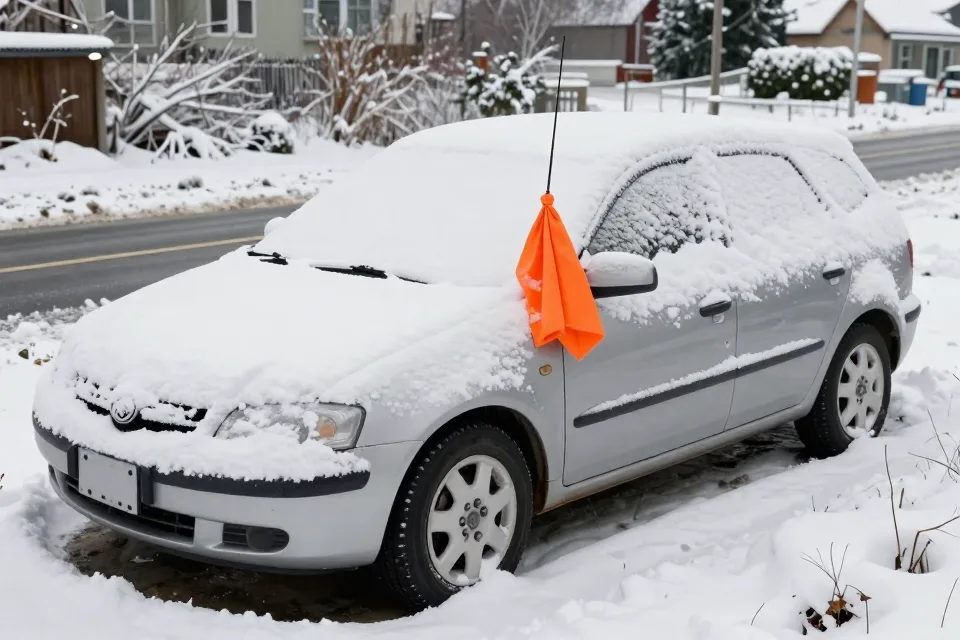
Stay with your vehicle. It is shelter, and rescue crews look for cars, not people. Attach a brightly colored cloth to your antenna or door handle, and turn on the dome light at night to make the car easier to spot.
Make sure the exhaust pipe is clear of snow so carbon monoxide cannot seep into the cabin. Run the engine only long enough to warm up, with a window cracked slightly open, and never run it for long stretches in deep snow.
If you must leave the car to get help, tell someone where you are going. In most cases, though, the safest move is to stay put, stay warm, and wait for help.
Your Winter Prep Checklist
Print this out and run through it once a month from November through March:
-
Test the battery and clean the terminals.
-
Check tread depth with the penny test, and plan new tires below 4/32 inch.
-
Check tire pressure monthly and before long trips.
-
Fill winter-rated washer fluid and top off coolant.
-
Keep the gas tank at least half full, closer to full in storms.
-
Replace wipers that streak; test the defroster and all lights.
-
Stock and refresh your emergency kit.
-
Clear all snow from the car before driving, including cameras and sensors.
-
Share your route and arrival time with someone before a storm trip.
Do these things, and winter stops being a gamble. Your car will start, stop, and see where it is going, which is most of the battle. The rest is just driving smart.
This article is for general information only and is not a substitute for advice from a qualified mechanic or for your vehicle's owner's manual. Always follow local laws and road conditions. For more details, see our disclaimer.
Sources
- [authority] https://www.nhtsa.gov/winter-driving-tips