
Certified Pre-Owned Cars: What the Label Really Means
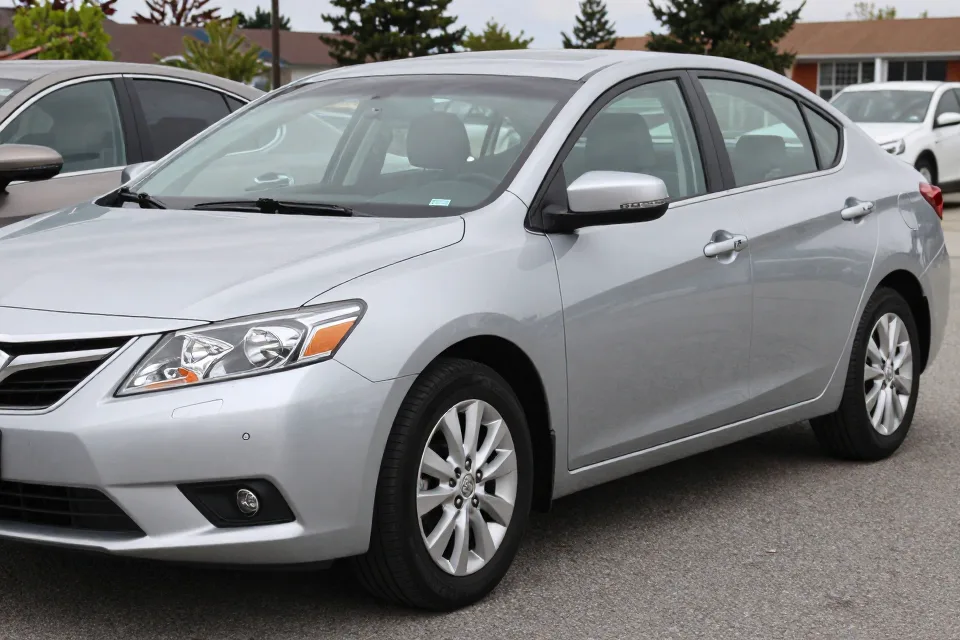
Certified Pre-Owned Cars: What the Label Really Means
"Certified pre-owned." Two words that sit on window stickers, dealership banners, and late-night commercials like a badge of safety. They promise inspection, reconditioning, and a manufacturer standing behind the car. What they actually deliver depends on the fine print — and the fine print differs from one brand to the next.
This guide explains what the label really means, what it does not mean, and how to shop a certified car with your eyes open. No jargon, no pressure — just the plain-English version of how factory programs work and where they quietly fall short.
What "Certified Pre-Owned" Actually Means
A certified pre-owned (CPO) car is a used car that a manufacturer has agreed to vouch for in a limited, written way. Each automaker writes its own rules: how old the car can be, how many miles it may show, which inspections it must pass, and what warranty protection comes with it. Walk two dealerships and you may be looking at two different definitions of the same word.
The key thing to remember: "certified" is a marketing term, not a legal one. No federal law defines what a certified used car must include. A dealership can put the word on any car it likes. What separates a genuine factory program from a dealer's own label is who stands behind the promise — the automaker, or just the sales desk.
How a Factory CPO Program Works
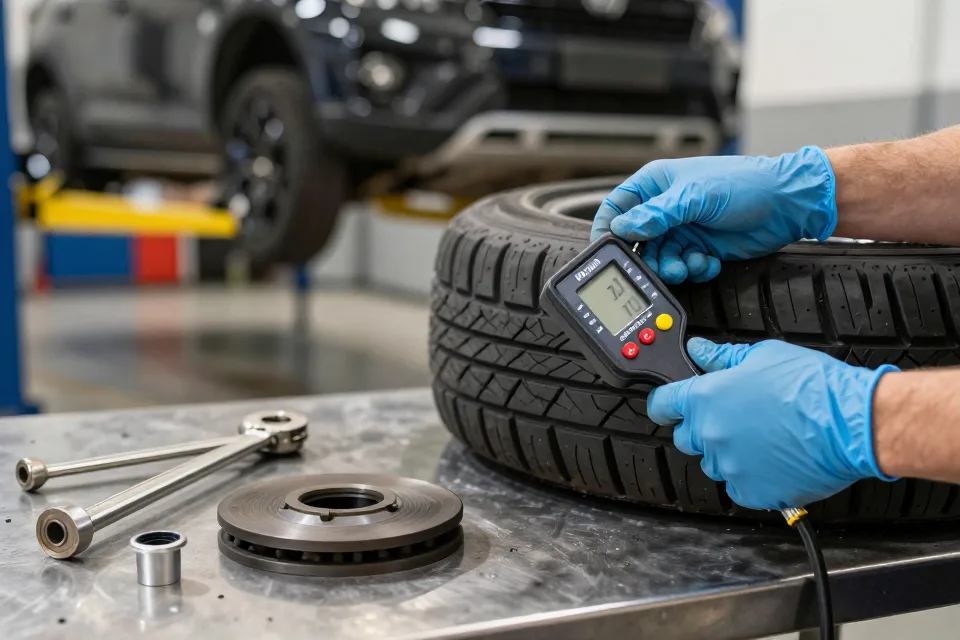
Manufacturer-backed programs share a familiar shape. The car usually has to be fairly new — often just a few years old — and under the program's mileage cap. It must pass a multi-point inspection; most brands' checklists run 100 points or more, covering the engine, brakes, tires, suspension, electronics, and interior. Whatever fails gets repaired or replaced before the car is offered for sale. The title has to be clean — no salvage, no flood history.
Two details are worth knowing. Only a franchised dealer of the brand can sell a car under that brand's factory program; a neighborhood used-car lot cannot. And the program keeps records — the completed checklist, the repairs made, the warranty start date. Ask to see them. A real program can produce them on the spot.
The Warranty Is the Real Point of CPO
The inspection is reassuring, but the warranty is the substance. Most programs add roughly a year of bumper-to-bumper-style coverage, then stretch powertrain protection further out — commonly to around six years and 100,000 miles measured from the car's original in-service date, with terms varying by brand.
That "original in-service date" detail matters. A three-year-old certified car may already have burned through much of its factory warranty. The CPO warranty rebuilds and extends that protection — which is the main reason buyers pay a premium. Read the actual contract, not the brochure. Coverage, exclusions, and any deductible all live in the paperwork.
What the Extras Usually Include
Beyond the warranty, most factory programs bundle extras: 24/7 roadside assistance, rental-car reimbursement or trip-interruption help while the car is being repaired, and a vehicle history report. Some brands add a return or exchange window — a few days to drive the car and bring it back if it is not right — and some offer special financing rates on certified cars.
Treat these perks as a bonus, not the reason to buy. They vary by brand and by program tier, and they change over time. The warranty and the car itself are what matter.

Certified Is Not the Same as Recall-Free
Here is where many buyers get surprised. Passing a certification inspection does not guarantee that every open safety recall on the car has been fixed. The FTC has cautioned dealers about advertising vehicles as inspected or certified while open recalls remain — and it has gone to court over certified-used-car advertising that implied otherwise.
The check is free and takes minutes. Enter the car's 17-character VIN at nhtsa.gov/recalls, and the lookup shows any open recalls. Repairs for recalled parts are free at any dealership — but the car is only truly fixed once the work is done. Make recall completion part of the deal before you sign. NHTSA has also warned used-car buyers about dangerous counterfeit replacement airbags appearing in some used cars, another reason to run the check.
The Buyers Guide: What Federal Law Actually Requires
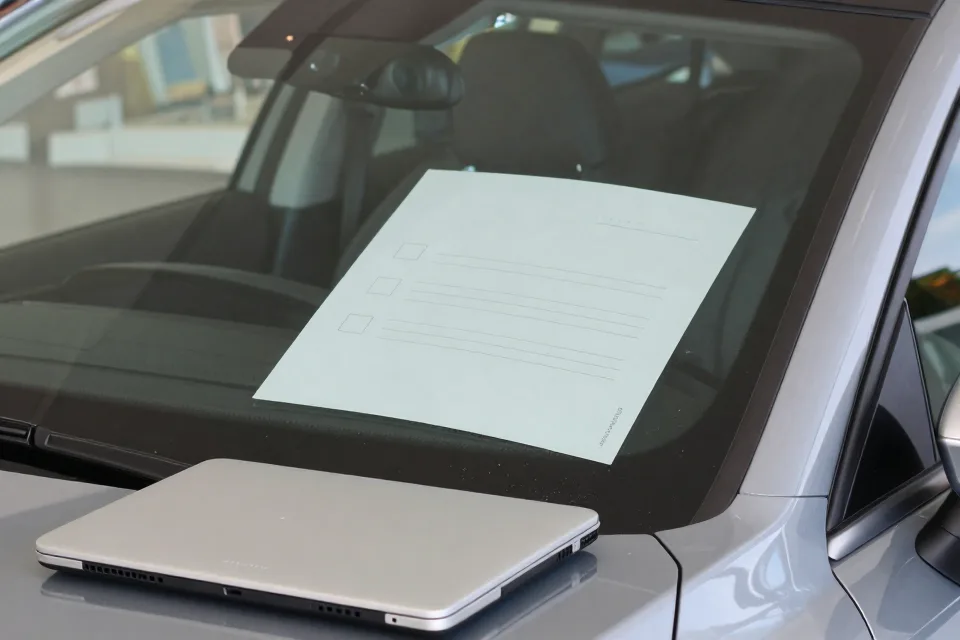
Federal law does not define "certified," but it does police how used cars are sold. Under the FTC's Used Car Rule, dealers must attach a window sticker-style Buyers Guide to every used car they offer for sale. The guide states whether the car is sold "as is" — with no warranty at all — or with a warranty, and it spells out what is covered.
The Buyers Guide is your protection in writing. If a salesperson promises a repair, a return policy, or a free oil change, ask to have it written on the guide before you sign. An "as is" sale means the dealership promises to fix nothing, and verbal promises are hard to enforce later. Keep the signed guide — it becomes part of your paperwork.
When CPO Is Worth the Extra Money
A certified car costs more than the same car sold as a plain used car. The premium pays for the inspection, the reconditioning, and above all the warranty. That can be a fair trade — or an expensive one, depending on the deal.
CPO makes sense when you plan to keep the car for years and want predictable repair costs, when the car is new enough that the warranty has real time left, and when factory-backed protection matters more to you than the lowest possible price. It is a weaker deal when the premium is steep, when the program's coverage is thin, or when the identical car down the road costs thousands less and you can handle your own repairs.
Shop programs the way you shop cars. Compare two or three brands' certified programs side by side: age limits, mileage caps, warranty length, deductible, price. The best program for the car you want may not be the one the first dealership is pushing.
Common Mistakes Buyers Make With Certified Cars
-
Assuming "certified" means the manufacturer inspected this exact car. Verify which program backs it before you believe the badge.
-
Skipping the free VIN recall check at nhtsa.gov/recalls. Certification and recall-free are not the same thing.
-
Paying the premium without reading the warranty contract. Coverage, term, and deductible are all in the fine print.
-
Treating a dealer's own "certified" sticker as equal to a factory program. Only the manufacturer's program carries the manufacturer's warranty.
-
Never asking to see the inspection checklist and repair records. A real program can show them.
-
Ignoring the Buyers Guide. "As is" means the dealer promises nothing.
-
Skipping an independent mechanic because the car is "certified." A certification inspection is not the same as a mechanic you hire.
-
Negotiating only the monthly payment. The total price is where the real money is.
Your CPO Buying Checklist
-
Confirm it is a factory program — ask which manufacturer stands behind it.
-
Check the car's age and mileage against the program's limits.
-
Ask for the completed inspection checklist and any repair records.
-
Read the actual warranty contract: coverage, length, deductible, exclusions.
-
Run the VIN at nhtsa.gov/recalls and get any open recalls fixed before you buy.
-
Read the Buyers Guide and get every promise written on it.
-
Have an independent mechanic inspect the car.
-
Compare two or three programs — and negotiate the price anyway.
The Bottom Line
"Certified pre-owned" is a useful label when you know what is behind it: a factory-backed inspection and warranty with real limits, plus extras that vary by brand. It is not a magic guarantee. Check the program, the paperwork, the recalls, and the car itself — then the label works for you instead of on you.
Regulations and recall information change over time, so confirm current details with official sources such as ftc.gov or nhtsa.gov before relying on them. This guide is general information only and is not financial or legal advice. See our disclaimer for details.
Sources
- [authority] https://www.ftc.gov/legal-library/browse/rules/used-car-rule