
Used Car Inspection: A Checklist Before You Buy

A used car can be a smart buy — or a money pit. The difference rarely comes down to luck. More often, it comes down to how carefully you look before you sign.
Most problems that will cost you later are already visible on inspection day: a repainted fender hiding accident damage, tires worn past the safe limit, a coolant leak wiped clean an hour before your visit. You do not need to be a mechanic to catch many of them. You need daylight, time, and a checklist. This guide walks you through the full inspection — paperwork, walk-around, under the hood, cabin, and test drive — and points you to official sources you can verify yourself.
Start With the Paperwork, Not the Paint
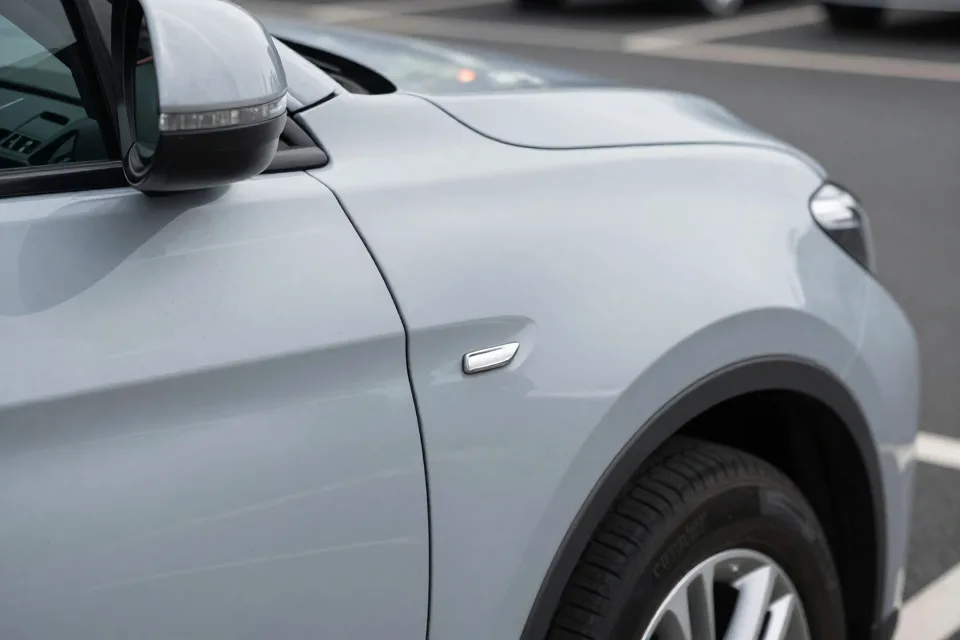
Before you touch the paint, confirm what the car really is. Every vehicle has a unique 17-character VIN, usually visible through the lower-left corner of the windshield and printed on the registration card. The National Highway Traffic Safety Administration (NHTSA) lets you enter that VIN free at nhtsa.gov/recalls to see any open safety recalls. Fixes for open recalls are done free at authorized dealers — but only if you know the recall exists.
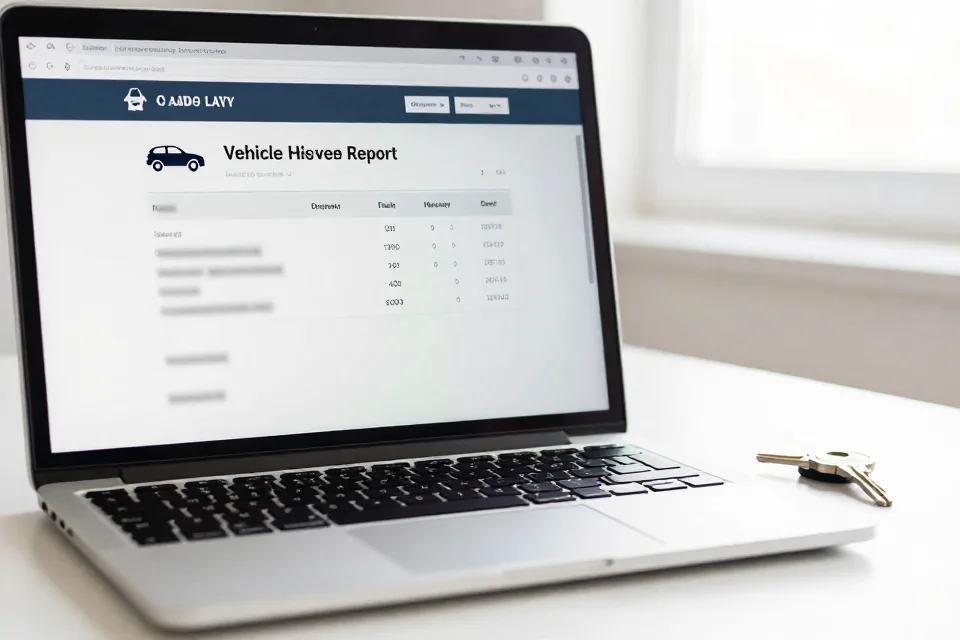
Vehicle history reports from services like CARFAX and AutoCheck pull together reported accidents, ownership changes, odometer readings, and service records. Keep one thing in mind: those reports only contain information that was reported to them, so they are a tool, not a guarantee. They never replace seeing the car in person.
For a government-backed check, order an NMVTIS report at vehiclehistory.bja.ojp.gov. NMVTIS is the national database that states, insurance companies, and junk and salvage yards are required by federal law to feed. Its reports can reveal title brands such as salvage, flood, or junk, recent odometer readings, and theft history — exactly the kind of thing a seller might never mention.
Do the price homework too. Compare listings and values on sites like KBB and Edmunds, look up official fuel economy and fuel-cost estimates at fueleconomy.gov, and review crash-test ratings at nhtsa.gov/ratings and the Insurance Institute for Highway Safety at iihs.org/ratings. An hour of research online can save you thousands at the lot.
The Walk-Around: What the Body Tells You
Inspect in daylight with good weather, and give yourself time — you will not learn much squinting at a car at dusk. If you are buying from a private seller, meet somewhere public and well-traveled, like a bank or gas-station parking lot.
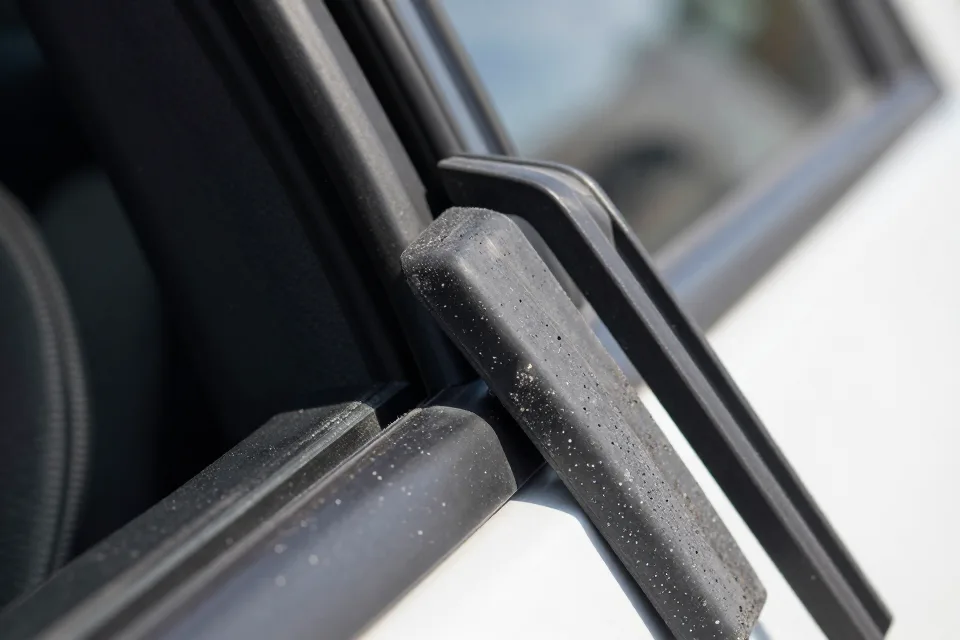
Walk slowly around the car. Paint color and finish should match on every panel. Overspray on the rubber seals around the hood or trunk is a classic sign the car was repainted, which often hides collision repair. Misaligned panels or unusually wide gaps point the same direction. Check the wheel wells, the panels beneath the doors, and the door bottoms for rust or blistered paint. Open and close every door, the hood, and the trunk; a driver's door that hangs loose on its hinges is a sign the car was not treated gently.
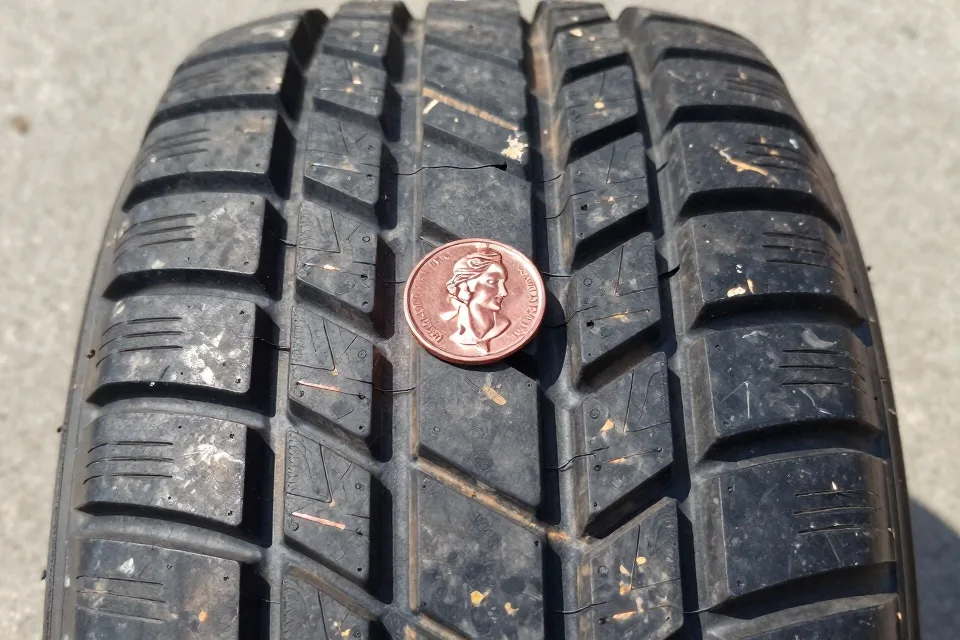
Tires deserve a close look. NHTSA says tires are not safe once the tread wears down to 2/32 of an inch. The penny test is quick: put a penny head-down in a tread groove; if you can see all of Lincoln's head, the tire is near the end of its life. Check several spots on all four tires — uneven wear across one tire can point to an alignment or suspension problem. Ask to see the spare, the jack, and the tool kit. The Car Care Council also suggests replacing wiper blades about every six months, so if the car's blades streak, budget for new ones.
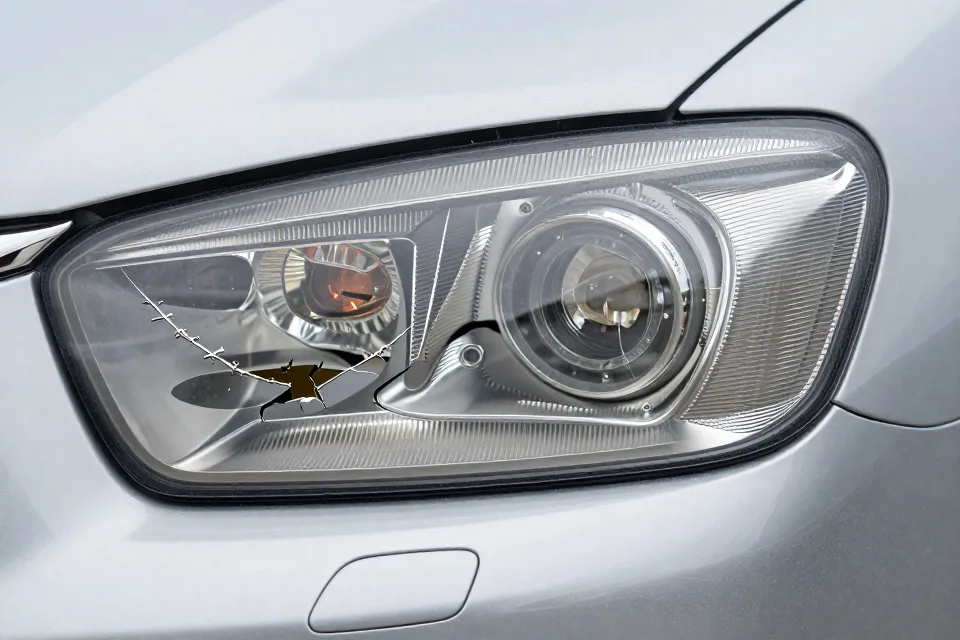
Have the seller or a friend work the lights while you watch: headlights, high beams, turn signals, brake lights, and reverse lights. Cracked housings or moisture inside a lens are worth noting. Small things like bulbs and wipers are cheap to fix; just make sure you are pricing them into your offer.
Under the Hood, When the Engine Is Cold
Pop the hood only after the engine has cooled — ideally, the car should not have been driven for at least an hour. A warm engine hides problems, and you do not want to check fluids around a hot radiator.
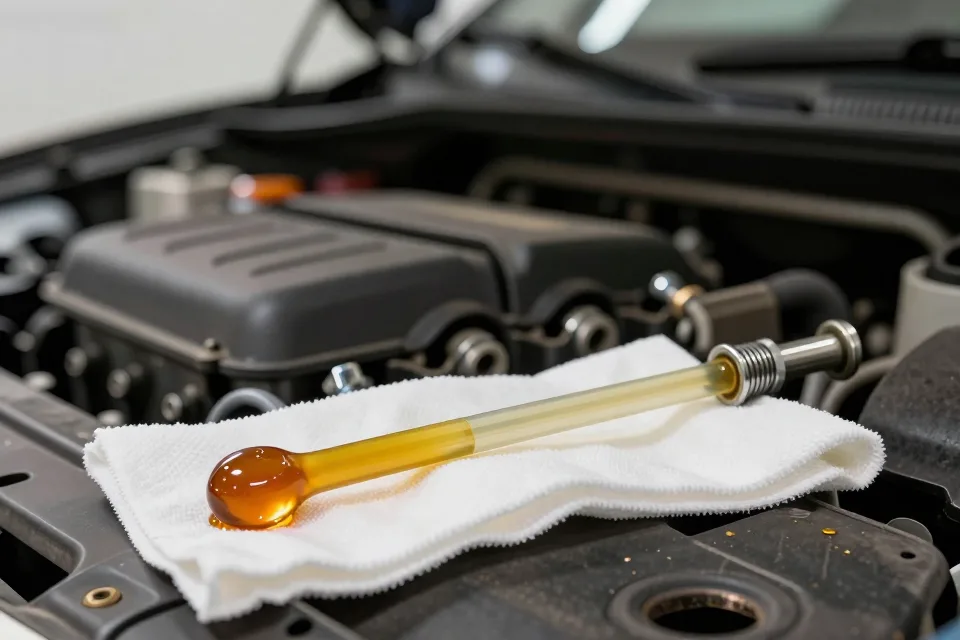
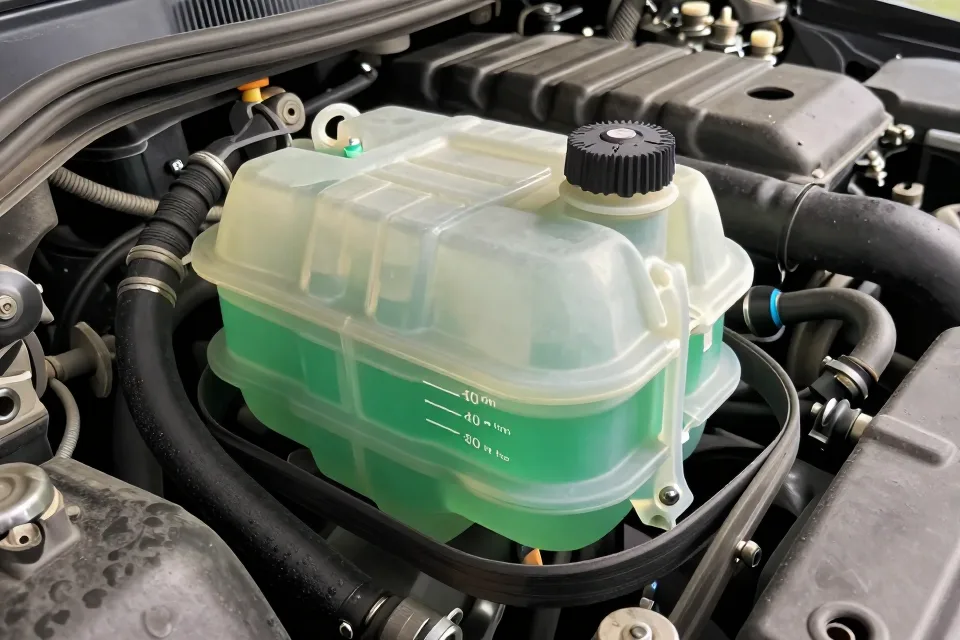
Oil should be amber or honey-colored and near the full mark on the dipstick; grit or metallic flakes are red flags. Coolant should sit between the minimum and maximum lines and should not look rusty or milky. Transmission fluid should be pinkish-red; a burnt smell or brown color suggests neglected maintenance. These color checks are good indicators, not lab tests — a professional inspection is the final word.
Squeeze the rubber hoses running to the radiator and heater. They should feel firm and supple, not rock-hard, cracked, or mushy. Run your fingers along the drive belts and look for fraying. Check the battery terminals for heavy corrosion. The Car Care Council notes that a battery three years old or older is more likely to fail, so factor that into your offer.
Before the test drive, glance at the ground under the car for fresh drips. After the drive, look again. A little water dripping from the air-conditioning system on a warm day is normal; colored or oily fluid is not.
Inside the Cabin: Comfort, Electronics, and Smells
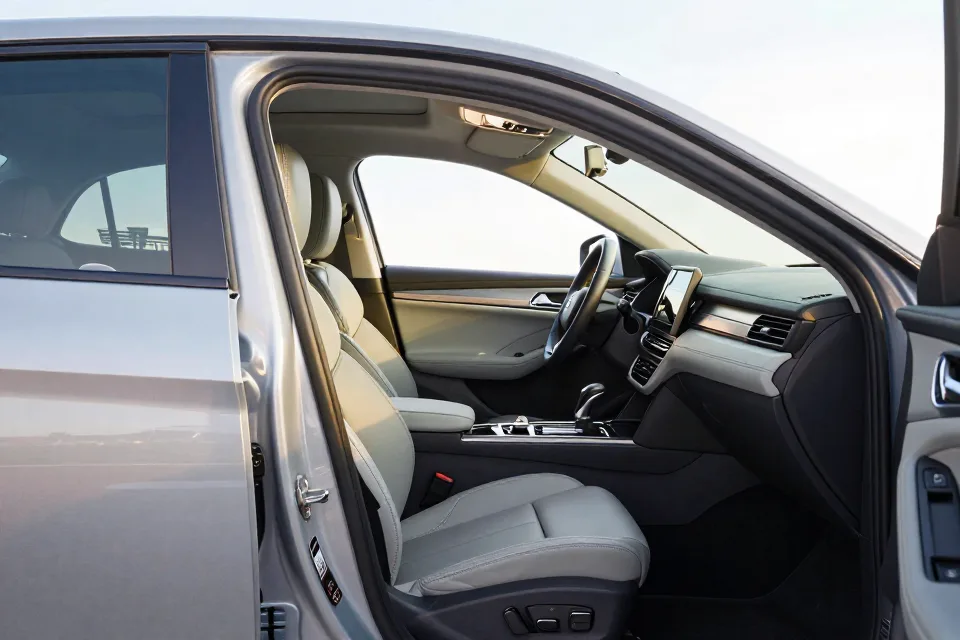
Now sit in it — for more than a minute. Check the seat adjustment, headroom, and how easy it is to get in and out. For a car you will drive daily, comfort and visibility matter as much as horsepower. Note the blind spots, and if you will carry grandchildren, bring a child seat along to test the fit.
Cycle the power windows several times each — a weak motor often fails on the second or third try. Test locks, mirrors, seat adjustments, air conditioning and heat on full hot and cold, the infotainment screen, Bluetooth, USB ports, and the backup camera if there is one. Watch the dashboard when you first turn the key: warning lights should all light up, then go out once the engine starts. A light that never comes on may have been disabled on purpose.
Sniff the cabin. Lingering smoke or mildew smells are hard to remove and can signal water damage. Check the seat belts for fraying and make sure they retract properly. Lift the floor mats and look for dampness — wet carpets can mean a leaky windshield or heater core.
The Test Drive: Pick the Route First
Plan a route before you leave the lot. Edmunds recommends a loop that includes hills, bumps, and potholes to expose suspension and engine problems. KBB adds parking-lot maneuvers, stop-and-go traffic, and a stretch of highway so the car gets tested the way you will actually drive it.
Listen with the stereo off. Does the engine start easily and idle smoothly? Do the brakes feel firm, stop the car straight, and stay quiet? Squealing or grinding is a red flag, and a car that pulls to one side under braking needs attention. Over rough pavement, note clunks, rattles, or a ride that keeps bouncing long after the bump.
On the highway, feel for vibrations in the steering wheel, drift, and how the transmission behaves under load. After you park, go back under the car and look for leaks. And confirm there is a second key — replacing a lost fob can easily cost $200 or more.
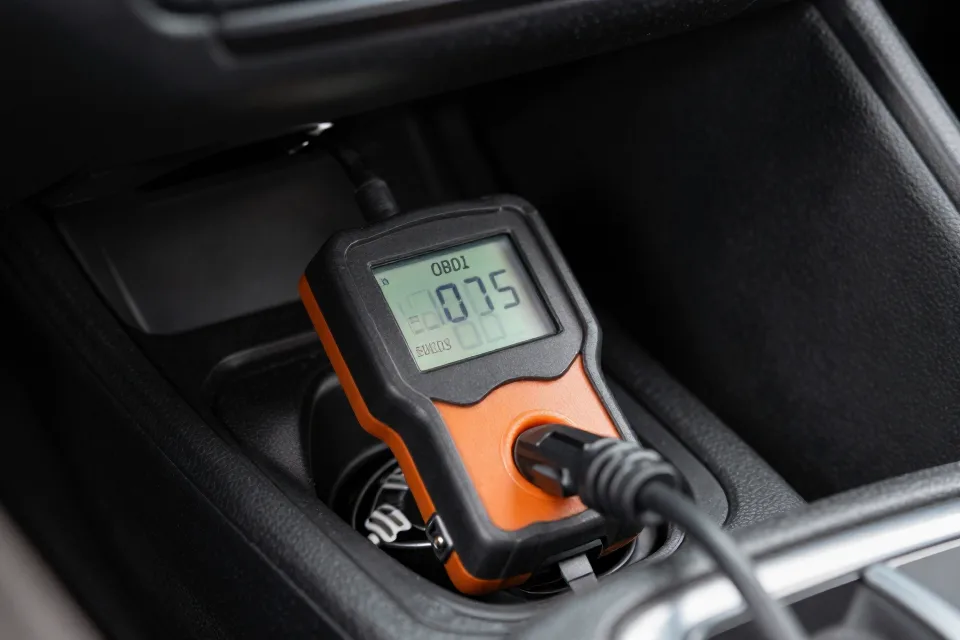
Want extra confidence? A low-cost OBD-II code reader plugs into the port under the dash; stored trouble codes can reveal problems the seller cleared right before your visit. Treat the results as a lead, not a verdict — a mechanic's inspection is definitive.
Hire a Professional Pre-Purchase Inspection
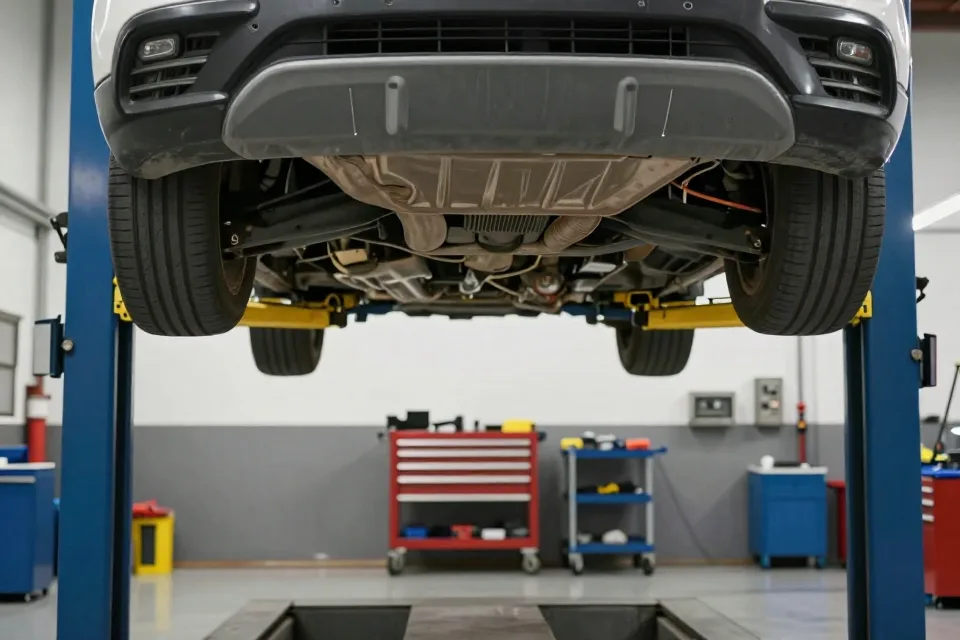
Your eyes catch a lot; a shop's lift catches the rest. A pre-purchase inspection (PPI) by an independent mechanic typically runs about $100 to $300, depending on your area and the depth of the check. Compared with the cost of an undiagnosed transmission or frame problem, that is cheap insurance.
Choose a shop you trust — look for ASE certification or AAA recognition — and insist on one that is not the seller's own garage. A dealer should allow the car to go to your mechanic, often with a deposit or your ID left behind. If a private seller resists, offer to follow them to the shop. If they still say no, treat that as an answer in itself.
Common Mistakes Used-Car Buyers Make
-
Skipping the history report to save $30. It is the cheapest diagnostic tool you will buy all year.
-
Falling for a fresh detail job. Shiny paint and tire shine sell cars; they do not make a bad car good.
-
Never checking recalls. The lookup is free, and open recalls are repaired at no cost — you just have to ask.
-
Glossing over the as-is box. At a dealership, the Buyers Guide sticker tells you whether the car comes with any warranty. As-is means the dealer owes you nothing once you drive away.
-
Test-driving only around the block. A five-minute loop cannot reveal a transmission that slips under highway load.
-
Ignoring the warning lights. A check-engine light that is mysteriously off, or a bulb that never lights, is a question you must answer before paying.
-
Trusting the word certified without paperwork. Certification should come with an inspection report and a real warranty; ask to see both.
-
Not verifying the seller's name on the title, or checking for a lien. That paperwork is your proof of ownership.
Protections at the Deal: Know Your State's Rules
Federal law requires dealerships to display a Buyers Guide window sticker on every used car they offer for sale. The Guide states whether the car is sold as-is or with a warranty, and what the warranty covers. Read it like a contract — because it is one: under the FTC's Used Car Rule, the information on the Buyers Guide overrides anything contrary in the sales contract. If the dealer makes verbal promises, get them written on the Guide.
Lemon laws are state laws, and they vary widely. Florida, for example, has no lemon law for used cars; New York's covers used cars bought with a written warranty; California dealers must offer a two-day contract cancellation option on used cars under $40,000 — but most states have no automatic cooling-off period. Check with your state attorney general's office before you sign.
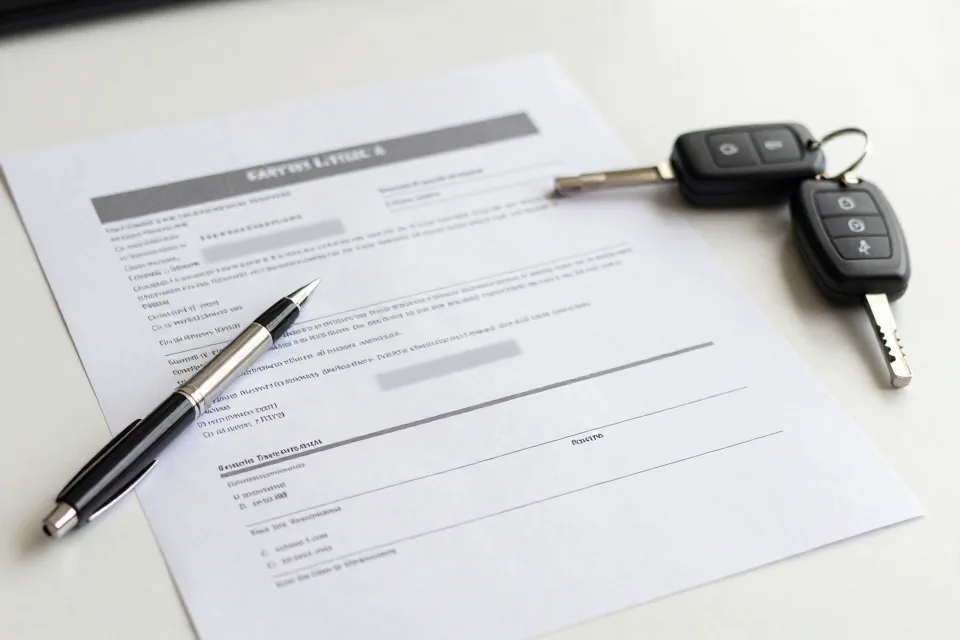
Finally, handle the title transfer properly: fill out the odometer and damage disclosure, make sure any lien is released, and keep copies of everything. A clean title in hand, with your name on it, is the real finish line.
Your Pre-Purchase Checklist
-
Run the free NHTSA recall lookup with the VIN.
-
Order a vehicle history report and an NMVTIS report.
-
Compare prices, fuel economy, and safety ratings.
-
Inspect in daylight: paint match, panel gaps, rust, overspray.
-
Check tires with the penny test; look for uneven wear.
-
Confirm the spare, jack, and a second key.
-
With the engine cold: fluids, belts, hoses, battery.
-
Test every switch, window, light, and warning light.
-
Test-drive on hills, bumps, stop-and-go, and highway.
-
Look under the car for leaks before and after the drive.
-
Book a professional pre-purchase inspection.
-
Read the Buyers Guide, get promises in writing, verify the title.
This guide is general information for your own research, not legal or mechanical advice — rules and prices change, so confirm details with current official sources and your own mechanic. Please read our full disclaimer.
Sources
- [authority] https://www.nhtsa.gov/recalls