
The Simple Car Maintenance Schedule Every Driver Needs
Why a Schedule Saves You Money
Your car is one of the biggest investments you own, and it never tells you loudly when something is about to fail. Most problems start small and stay quiet until they turn into an expensive repair or a roadside breakdown. The fix is simple: check a few things on a steady routine and let the mileage on your odometer remind you when the bigger services are due.
You do not need to be a mechanic or spend every weekend under the hood. A short monthly once-over plus a handful of scheduled services is enough to catch trouble early. This guide lays out that plan in plain English, with the mile markers that matter most.
Start With Your Owner's Manual
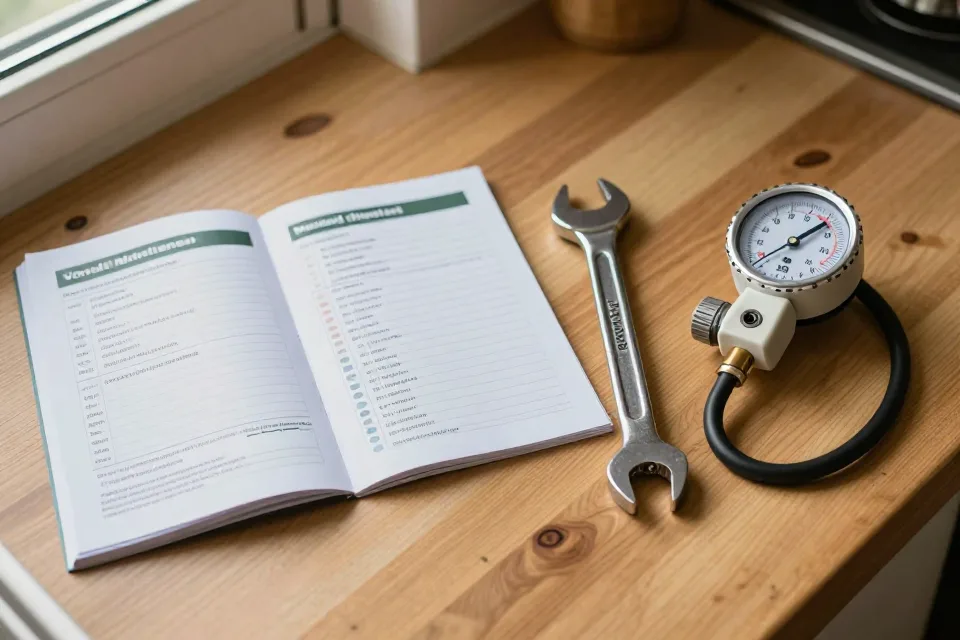
Every car comes with a maintenance schedule written by the people who built it. You will usually find it in a booklet in the glove box, or online by searching your vehicle's year, make, and model. This is your starting point, because no two cars wear out at exactly the same pace.
The schedule you see below is a sensible general plan that matches what most vehicles need. When your manual and this guide disagree, your manual wins. Think of the manual as the map for your specific car, and this article as the overview that helps you read it.
The Every-Month Checks You Can Do Yourself
A few quick checks each month catch trouble before it grows, and most cost nothing but five minutes of your time. Make it a habit, like checking the mail or paying a bill on the first of the month.
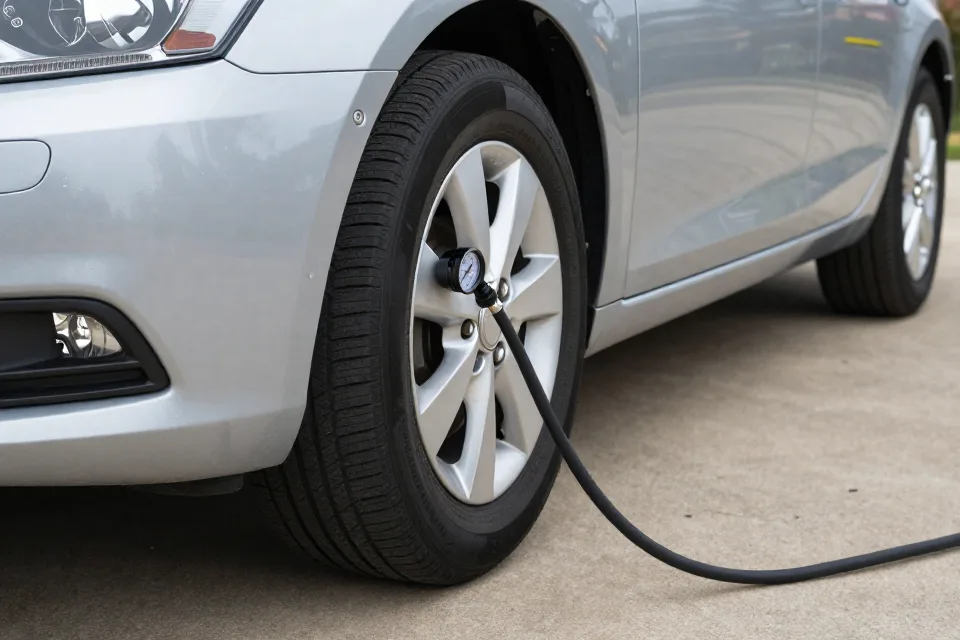
Tire pressure is the one habit that pays off the most. The National Highway Traffic Safety Administration, or NHTSA, says to check it at least once a month, and only when the tires are cold, meaning the car has not been driven for about three hours. The right number is printed on a label inside the driver's door frame, not on the side of the tire itself.
Keeping tires inflated properly is about more than avoiding a flat. According to the U.S. Department of Energy, properly inflated tires can improve gas mileage by about 0.6 percent on average, and up to 3 percent in some cases. Under-inflated tires drag, wear faster, and quietly drain your wallet at the pump.
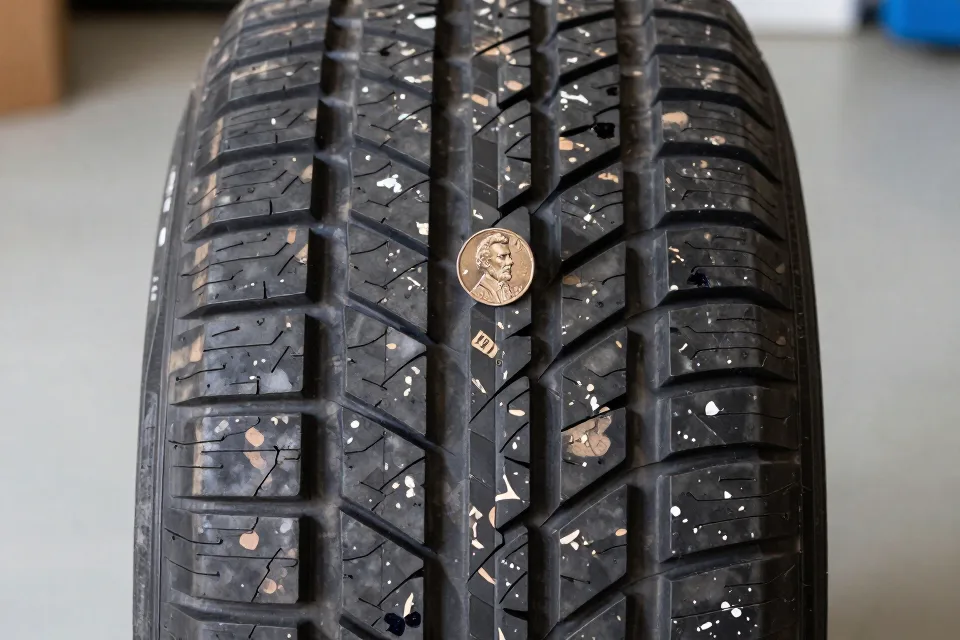
While you are at it, glance at the tire tread. Tread is what grips the road in rain and snow. When it wears down to 2/32 of an inch, the tire is no longer safe and should be replaced. You can measure this with a penny: hold it with Lincoln's head pointing down into the groove. If you can see the top of his head, the tread is too worn.
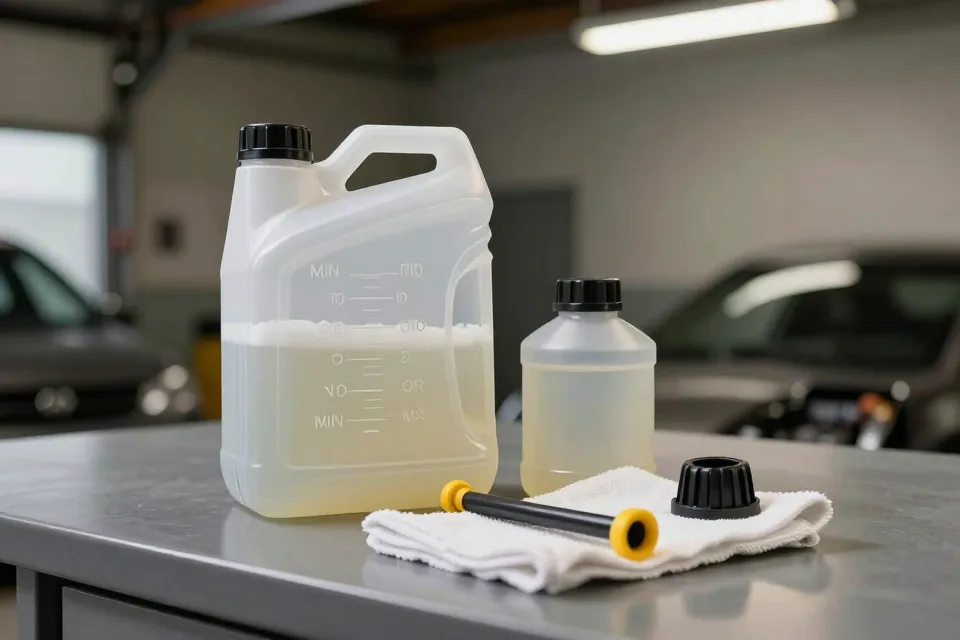
Finish the monthly round with your fluids and lights. Pop the hood and check the engine oil, coolant, and brake fluid levels against their markings, and top off the windshield washer fluid. Then walk around the car and confirm the headlights, brake lights, and turn signals all work. None of this requires a mechanic.
The Mileage Markers That Matter
Most maintenance follows your odometer, not your calendar. You can group nearly everything into a few simple mile markers. Here is the general plan in one place.
| Mileage | What to do |
| --- | --- |
| Every 5,000 to 7,500 miles | Change the oil and oil filter (conventional oil). |
| Every 7,500 to 10,000 miles | Change the oil (synthetic); rotate the tires. |
| Every 15,000 to 30,000 miles | Replace the engine air filter; check the brake pads. |
| Around 30,000 miles | Change brake fluid; inspect belts and hoses. |
| Around 60,000 miles | Change transmission and coolant fluids on many cars. |
| Around 100,000 miles | Replace spark plugs; full inspection of suspension and seals. |
The 30-60-90 Idea
Many service centers talk about a 30-60-90 schedule, because a lot of important work lands around those three numbers. The idea is that some fluids, filters, and wear parts should be looked at or swapped about every 30,000 miles. It is a handy way to remember when medium-size services are due, instead of tracking a dozen separate dates.
This is still only a rule of thumb. A vehicle that tows a trailer, drives on dusty roads, or sits in stop-and-go traffic falls into what automakers call a severe-duty schedule, which means shorter intervals for oil, filters, and fluids. The manual usually explains both the normal and severe schedules side by side.

Fluids: The Lifeblood You Can See
Fluids do the quiet work of cooling, lubricating, and stopping your car. Checking their levels is the easy part. Knowing when to change them is where most drivers get confused.
Engine oil is the one everyone knows. Most cars on modern synthetic oil can go up to 10,000 miles between changes, while conventional oil usually calls for a change around every 5,000 miles. When in doubt, follow what your manual says, and do not let a quick-lube shop push you to change more often without a good reason.
Brake fluid absorbs moisture over time, which is why it is commonly recommended for a change about every 30,000 miles or two years, whichever comes first. Coolant and transmission fluid generally last much longer and are often due around the 60,000- to 100,000-mile range, depending on the vehicle.
A few simple ideas keep all of this straight. Check the levels often, change them on the schedule your manual lists, and if you ever spot a puddle under the car, a strong sweet or burning smell, or a warning light, get it looked at before it becomes a bigger job.
The Small Parts People Forget
Some of the cheapest parts do the most important safety work, yet they are the easiest to ignore. Put these on your list and you will avoid a lot of last-minute surprises.
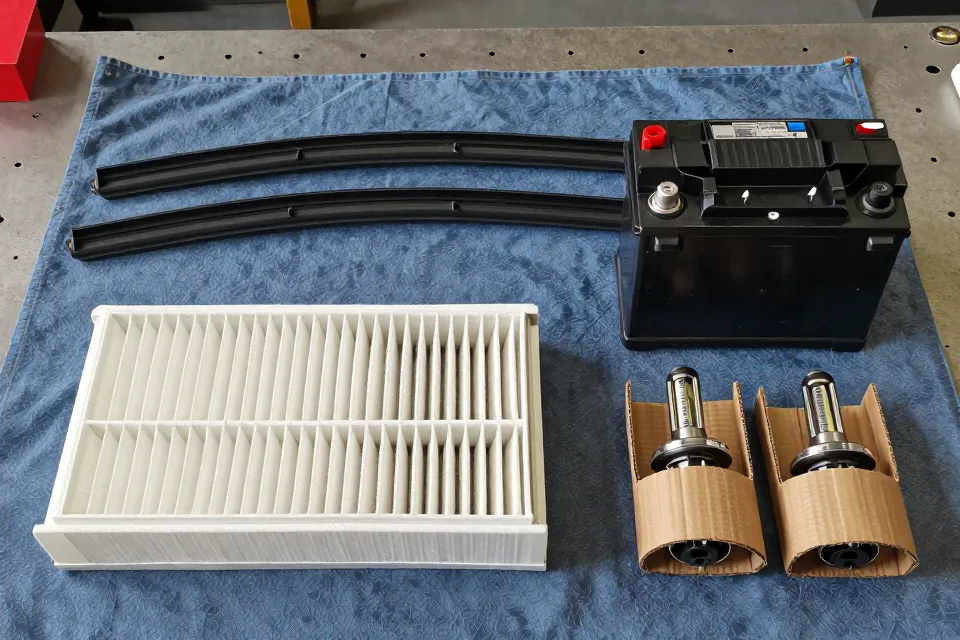
Windshield wipers are a perfect example. Most experts say to replace the blades every 6 to 12 months, or sooner if they start to streak, chatter, or leave smears across the glass. Sun and cold both harden the rubber, so a hot or freezing climate shortens their life.
The battery is another one. Cold weather is hardest on it, so many repair guides suggest testing it every fall. If your battery is three years old or more, the odds of a dead car on a cold morning start to climb, and it is cheaper to replace a battery on your schedule than on the side of the road.
Lights, filters, belts, and hoses round out the list. Check the lights at every oil change, swap the engine air filter every 15,000 to 30,000 miles so the engine can breathe, and ask your mechanic to look over belts and hoses for cracks or leaks while they are already under the hood.
Common Mistakes That Cost Drivers Money
Most breakdowns and big repair bills come not from one bad decision, but from small habits repeated over time. Here are the mistakes that cost drivers the most, so you can avoid them.
| Mistake | Why it hurts | The easy fix |
| --- | --- | --- |
| Skipping the monthly tire check | Low pressure hurts gas mileage and wears tires out fast. | Check pressure and tread on a set day each month. |
| Ignoring warning lights | A small sensor alert can turn into an engine repair. | Get any dashboard light checked the same week. |
| Worn wipers | Poor visibility in rain is a real safety risk. | Swap blades every 6 to 12 months, or the moment they streak. |
| Never checking fluids | Low oil or coolant can destroy an engine quietly. | Check levels monthly at the same time you check tires. |
| Skipping the owner's manual | You guess instead of following the right intervals. | Keep the schedule handy and follow it. |
| Changing oil too often out of habit | You spend money on oil you did not need. | Match the interval to your oil type and manual. |
A Checklist You Can Pin to the Fridge
If you only remember a few things, remember these. Print this list or snap a photo of it, and you will stay ahead of most problems before they start.
-
Every month: check tire pressure (cold), tread depth, oil and fluid levels, and all lights.
-
Every 5,000 to 10,000 miles: change the oil and filter on the interval your manual lists.
-
Every 6,000 to 8,000 miles: rotate the tires and check the brakes.
-
Every two years: change the brake fluid.
-
Around 60,000 miles: change coolant and transmission fluid on most vehicles.
-
Around 100,000 miles: replace spark plugs and have the suspension and seals inspected.
-
Every fall: test the battery, especially if it is three years old or older.
-
Whenever they streak or after 6 to 12 months: replace the windshield wipers.
A steady schedule is the cheapest insurance your car will ever have. The cars that reach 200,000 miles and beyond are rarely the ones that got lucky; they are the ones whose owners checked a few simple things on time, every time.
This guide offers general advice from public sources and is not a substitute for your vehicle's owner's manual or a qualified mechanic. Always follow the schedule written for your specific car. See our full notice on the disclaimer page.
Sources
- [authority] https://www.nhtsa.gov/vehicle-safety/tires