
Car Seat Basics for Grandparents
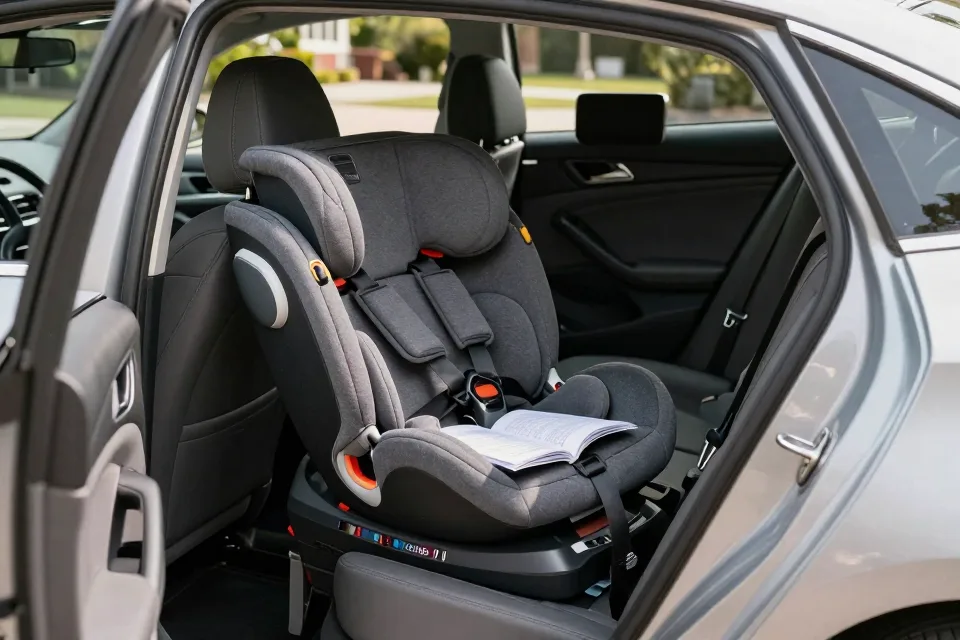
Your grandchild is coming for the weekend, and along with the overnight bag comes a car seat. Suddenly your trusty sedan has a new piece of equipment that clicks, straps, and clamps, and the instruction booklet reads like it was written for engineers. If you drive your grandchildren, you are far from alone — and getting the basics right matters more than most people realize.
This guide walks through the four stages of car seats, how to install one in your car, the mistakes grandparents most often make, and a checklist you can run through before every trip. You do not need to be an expert. You just need to follow the rules that safety experts agree on.
Why car seats matter for grandparents
Crashes are still among the top causes of death for children in this country. In 2024, crashes took the lives of 795 children under 13, and almost three-quarters of those children were riding in passenger vehicles, according to the Insurance Institute for Highway Safety.
The protection a car seat provides is dramatic when it is the right seat, used correctly. In passenger cars, child restraints cut the odds of a fatal crash by 71% for infants and 54% for toddlers ages 1 to 4, the U.S. Department of Transportation reports.
The catch is that correct use is harder than it looks. In NHTSA's National Child Restraint Use Special Study, 46% of car seats were found to be misused in ways that increased the risk of injury. The most common problems include loose installation, loose harness straps, and moving a child to the next stage too early.
Here is some encouraging news: one study of real-world crashes found children were less likely to be injured when a grandparent was driving than when a parent was behind the wheel. Grandparents can absolutely get this right.
The four stages of a child's ride
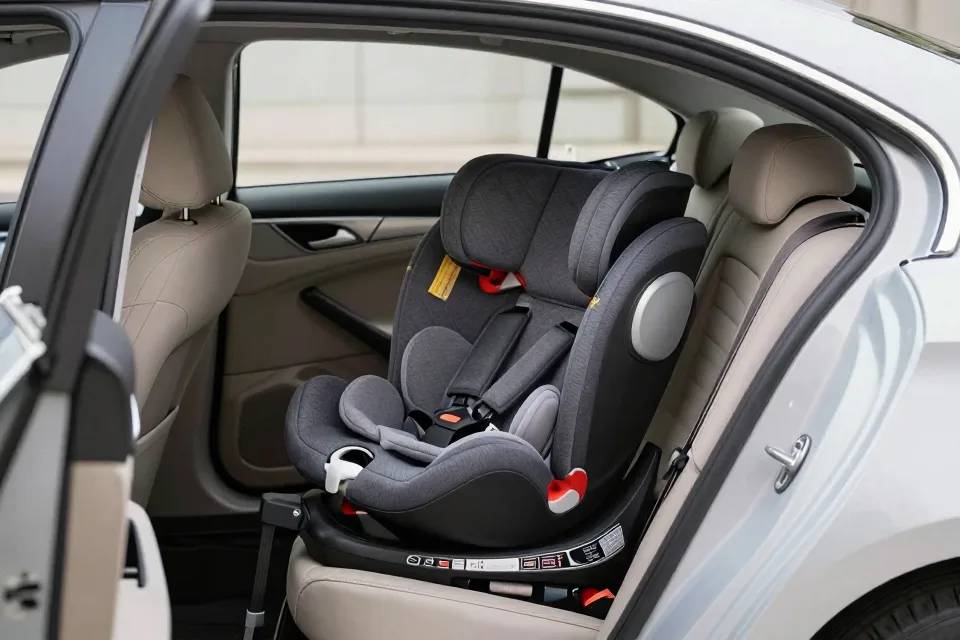
Child passenger safety works in stages. Each stage protects a growing child, and the rule is always the same: stay in the current stage until the child outgrows the seat's limits, then move to the next one. Age is only a rough guide. The height and weight limits printed on the seat decide when it is time to move on.
| Stage | Typical age | What it looks like | When to move on |
| --- | --- | --- | --- |
| 1. Rear-facing | Birth and up | Infant or convertible seat facing the back of the car | Child reaches the seat's top height or weight limit |
| 2. Forward-facing with harness | Toddler to school age | Harnessed seat facing forward, with a top tether | Child reaches the seat's top height or weight limit |
| 3. Booster seat | School age | Belt-positioning booster in the back seat | Adult seat belt fits properly on its own |
| 4. Adult seat belt | Older child | Regular seat belt | Ride in the back seat through age 12 |
NHTSA's age guide lines up like this: keep children rear-facing through ages 1 to 3, forward-facing with a harness through ages 4 to 7, and in a booster through ages 8 to 12. The size limits on the seat always trump the birthday on the calendar.
Stage 1: Rear-facing — the longer, the better
Rear-facing is the safest position for a baby or toddler. It supports the head, neck, and spine, which are still developing. NHTSA and the American Academy of Pediatrics agree on this: keep a child rear-facing until their height or weight reaches the ceiling printed on the seat — not until they hit a certain age.
Many convertible seats today allow rear-facing up to about 40 pounds and 40 inches, and newer models often allow more, according to IIHS. An infant carrier is rear-facing only. A convertible seat starts rear-facing and later turns around to face forward, so it lasts much longer.
Two rules matter in this stage. The seat always goes in the back seat — never in front of an active airbag. And the harness straps should come through the slots at or below the child's shoulders.
Stage 2: Forward-facing with a harness
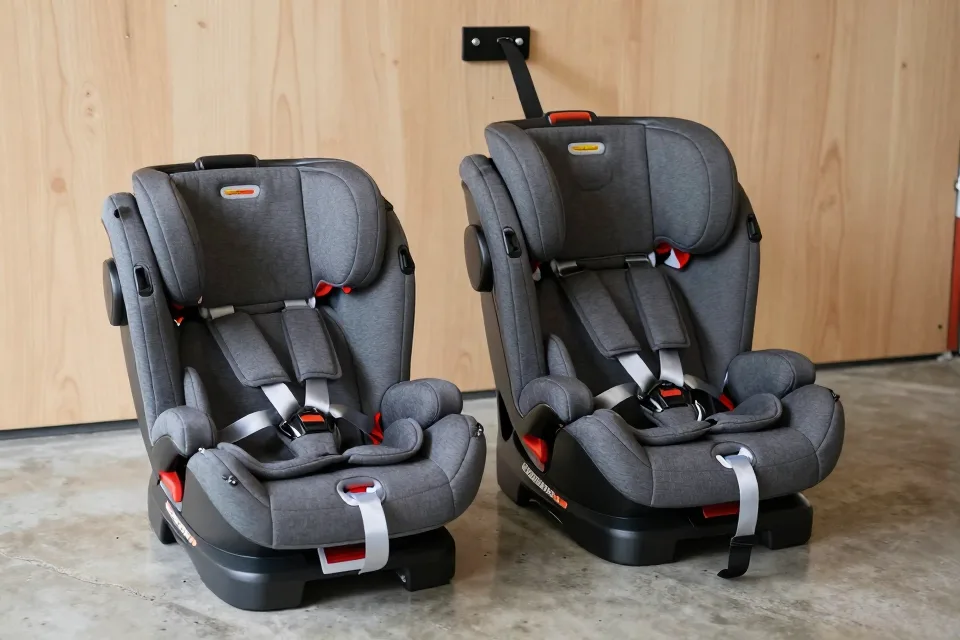
Once your grandchild outgrows the rear-facing limits, the seat turns around and faces forward. The child stays in the five-point harness until they reach the forward-facing height or weight limit of the seat.
The detail grandparents most often miss is the top tether. NHTSA recommends using the tether every time a forward-facing seat is installed, whether the seat is secured with the seat belt or with the lower anchors. The tether hooks from the top of the seat to an anchor point in the vehicle and limits how far the child's head moves forward in a crash.
Stage 3: Booster seats
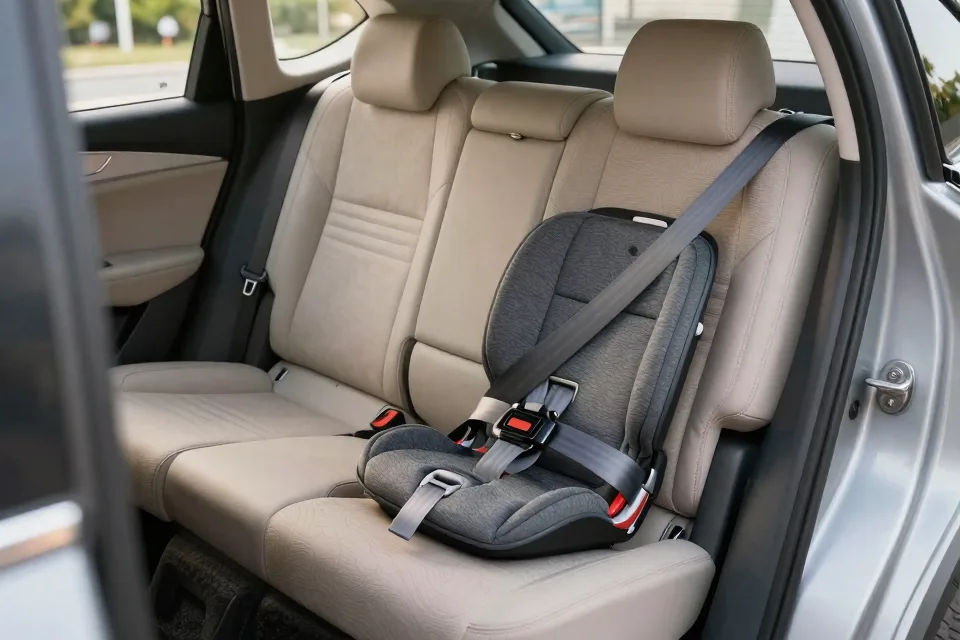
A booster seat has no harness. It lifts the child so the vehicle's lap and shoulder belt cross the body in the right places. Children should ride in a belt-positioning booster until the adult seat belt fits properly — typically when they reach about 4 feet 9 inches (57 inches) tall and are 8 to 12 years old, according to the American Academy of Pediatrics.
Many children ages 8 to 12 still need a booster. Moving a child to a seat belt too early is one of the most common and most dangerous shortcuts.
Stage 4: The adult seat belt
A seat belt fits a child properly when three things are true: the child sits all the way back and their knees bend over the edge of the seat; the lap belt rests low on the upper thighs, not on the belly; and the shoulder belt crosses the middle of the chest, between the neck and the arm. The child should be able to stay in that position for the whole trip without slouching.
Even after the belt fits, children should keep riding in the back seat until age 12 or beyond. The back seat is the safest place in the vehicle, and when the seat installs tightly there, the middle of the back seat is the best spot of all.
Installing the seat in your car
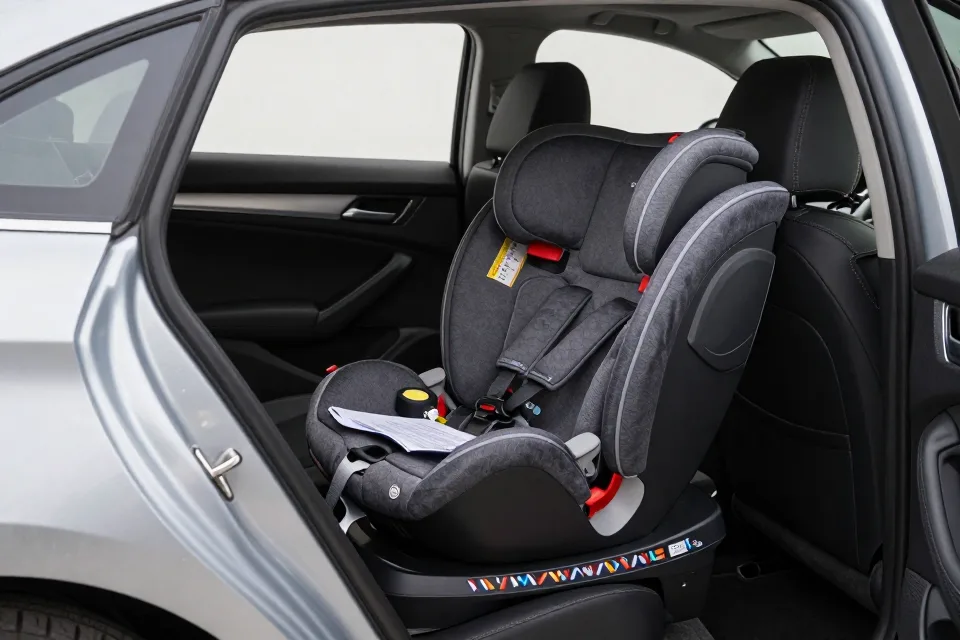
The single most important habit is to read both manuals: the car seat manual and your vehicle's owner's manual. Every car and every seat are different, and the two have to work together. What worked in your daughter's SUV may not work the same way in your sedan.
Two installation methods are safe: the LATCH system (Lower Anchors and Tethers for Children) or the vehicle seat belt. LATCH lower anchors in vehicles are tested to hold a combined child-plus-seat weight of about 65 pounds. Check the labels on the seat and in your vehicle manual — once your grandchild and the seat together top that number, install with the seat belt instead and keep the tether attached.
Whichever method you use, finish with the same test: push hard on the seat near the belt path. If it moves more than 1 inch side to side or front to back, loosen, re-tighten, and test again. A properly installed seat should feel rock solid.
Common mistakes grandparents make
Safety experts see the same handful of mistakes over and over. Most are easy to fix once you know what to look for.
-
Guessing instead of reading. The manual for the seat and the manual for the car answer most questions, including which seating positions accept a car seat and where the anchors are hidden.
-
Moving to the next stage too early. A child who outgrows a rear-facing seat too soon, or a booster skipped before the belt fits, loses real protection. Size limits on the seat, not age or convenience, decide when to move on.
-
Skipping the top tether. Forward-facing seats without a tightened tether allow extra head movement in a crash. NHTSA recommends using it every single trip.
-
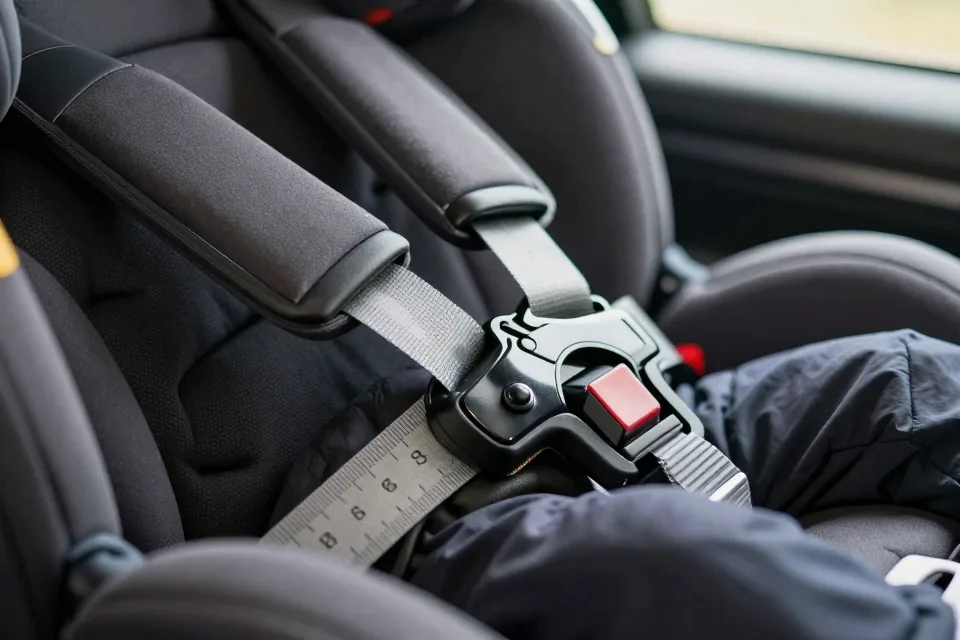
Leaving the harness loose. Straps should be snug enough that you cannot pinch a fold of webbing at the shoulder. Loose straps let a child slide forward in a collision.
-
Putting the chest clip too low. The clip belongs at armpit level, across the chest. A clip resting near the belly will not do its job in a crash.
-
Bundling up under the harness. A bulky winter coat compresses in a crash, leaving the straps dangerously loose. Tighten the harness first, then tuck a blanket over the straps for warmth.
-
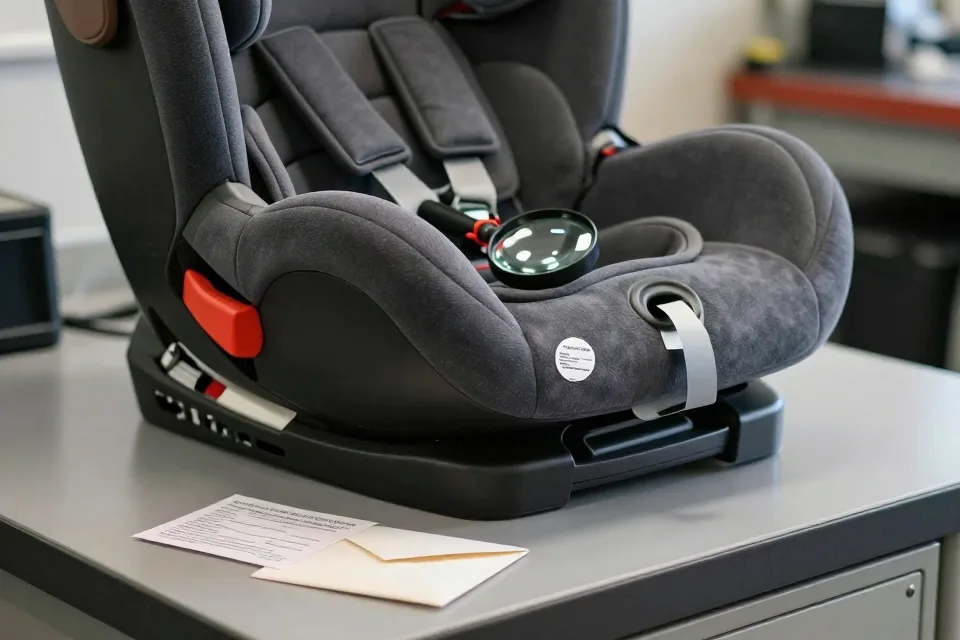
Accepting a hand-me-down without a check. Only take a used seat if it has not expired, has never been in a crash, has all its parts and labels, and has not been recalled.
-
Forgetting to register the seat. Registering with the manufacturer is how you receive recall notices. The registration card comes in the box, and most brands let you register online.
-
Assuming every state follows the same rules. Booster seat and seat belt laws vary by state. If you drive across state lines, check the rules for both states.
When to replace a car seat
Car seats have expiration dates, and most expire about 6 years after the date of manufacture. The exact date is printed on a label on the seat. Plastics weaken over time and with temperature changes, so an expired seat does not protect like a new one.
A crash can also end a seat's useful life. NHTSA recommends replacing a car seat after any moderate or severe crash. For a minor crash — one where the seat shows no damage, the vehicle doors worked, no airbags deployed, no child was injured, and the seat stayed in place — NHTSA says replacement is not automatically required, but always follow the seat manufacturer's instructions.
Register the seat and get free help
When you register the seat, the manufacturer can reach you if a recall is issued. Recalls happen more often than people expect, and a recalled seat may need a free repair kit or replacement part.
If you want a trained set of eyes on your work, free car seat inspection stations and certified child passenger safety technicians are available across the country. Many fire stations, hospitals, and police departments host checks, and NHTSA runs special events every September during Child Passenger Safety Week.
A quick checklist before you go
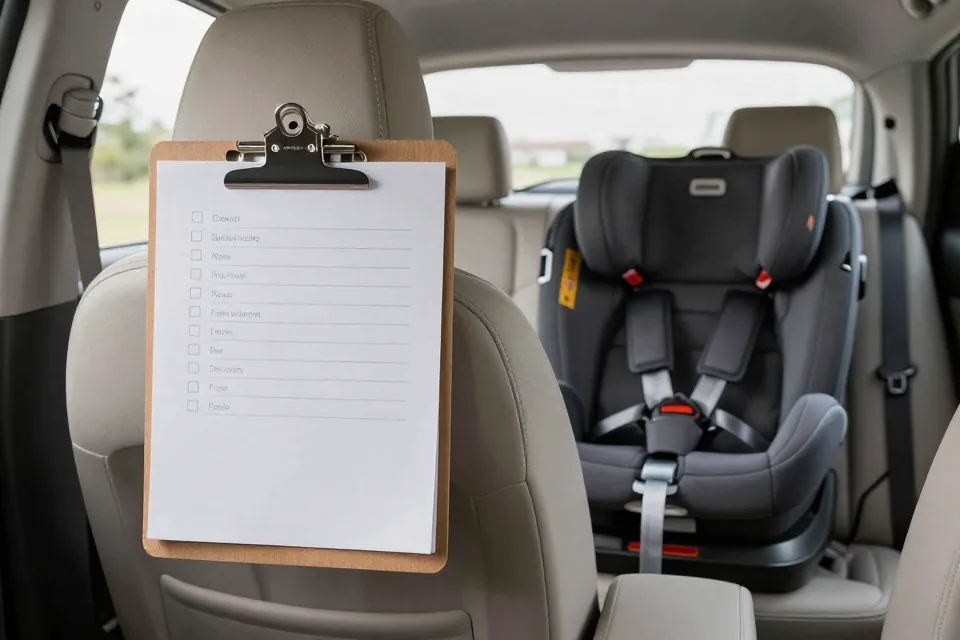
Run through these points before you back out of the driveway. Each one takes seconds and covers the essentials.
-
The seat matches your grandchild's age, height, and weight.
-
The seat faces the correct direction and sits in the back seat.
-
The seat does not move more than 1 inch at the belt path.
-
The harness is snug — you cannot pinch a fold at the shoulder.
-
The chest clip is at armpit level.
-
The top tether is attached for forward-facing seats.
-
No bulky coat or blanket sits under the harness.
-
The seat is not expired, recalled, or crash-damaged.
-
The seat is registered with the manufacturer.
-
Every child under 13 rides in the back seat.
Keep the good rides coming
You do not need a certification to keep your grandchildren safe in the car. You need the right stage of seat, a tight installation, a snug harness, and the back seat. That combination, done on every trip, is what the experts mean by correct use.
If you ever doubt your work, ask for help. A free inspection or a phone call to a certified technician takes minutes and buys real peace of mind — for you and for the parents who trust you with their kids.
This article is general information, not medical, legal, or financial advice. For advice specific to your child, talk to your pediatrician or a certified child passenger safety technician. See our full disclaimer for details.
Sources
- [authority] https://www.nhtsa.gov/car-seats-and-booster-seats/grandparents-car-seat-safety