
How Often Do You Really Need an Oil Change?
The 3,000-Mile Rule Is Mostly Gone
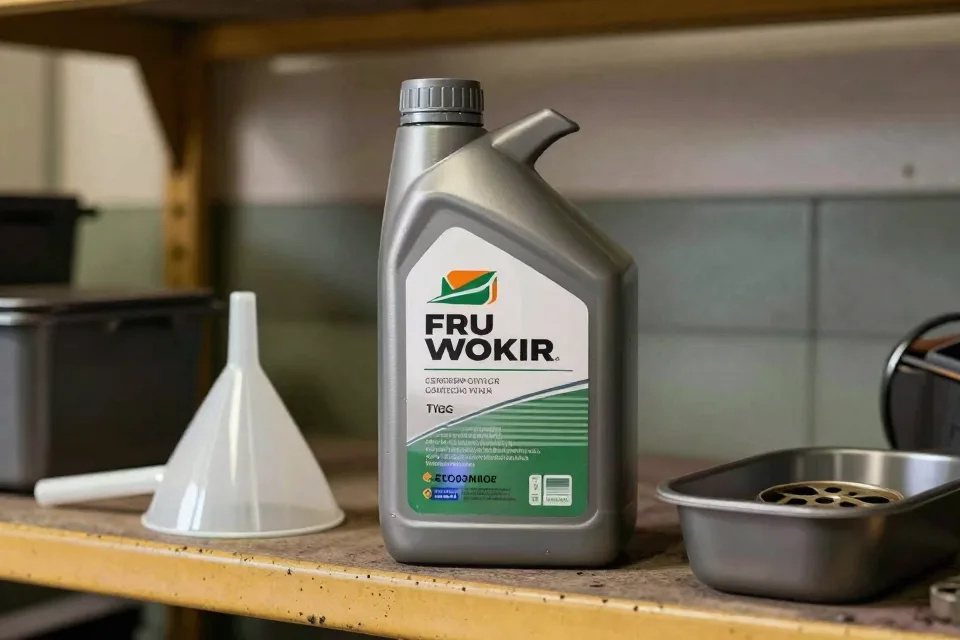
For decades, drivers were told to change their oil every 3,000 miles. It was easy to remember, and quick-lube shops happily repeated it. But modern engines and modern oil have moved far past that old number, and following it today mostly wastes your money.
So how often do you really need an oil change? Most cars now call for a change every 5,000 to 7,500 miles. Many can safely go 10,000 miles or more, especially with synthetic oil. The honest answer is: it depends on your car, your oil, and how you drive.
What the Numbers Actually Say
Different types of oil wear out at different speeds. Here is a simple look at the most common guidelines.
Conventional oil
This is the older, budget-friendly choice. It breaks down sooner, so it is usually changed around every 5,000 miles. Some older cars and quick-lube shops still use the 3,000 to 5,000-mile window for it.
Synthetic blend
A blend mixes conventional and synthetic oil. It sits in the middle on price and life, with a change often recommended around every 6,000 miles.
Full synthetic
Synthetic oil is engineered in a lab to last longer and resist heat better. Depending on the brand and your driving, a full synthetic can run 7,500 to 10,000 miles, and sometimes 6 to 12 months, before you need a change.
These ranges come from maintenance guidance published by AAA and Edmunds. The important part is that none of them matches the old 3,000-mile story.
What Your Owner's Manual Knows That We Do Not
If there is one rule that beats every other rule, it is this: read your owner's manual. The engineers who built your engine set an exact interval for it. That number already accounts for your car's design and its required oil.
If you have lost the paper manual, you can usually find a free PDF on the carmaker's website. Search for your year, make, and model, then look for the maintenance schedule.
Many newer cars skip the guessing game entirely. They have an oil-life monitor on the dashboard that tracks real driving data instead of a fixed mileage number.
Watch the Dashboard Monitor
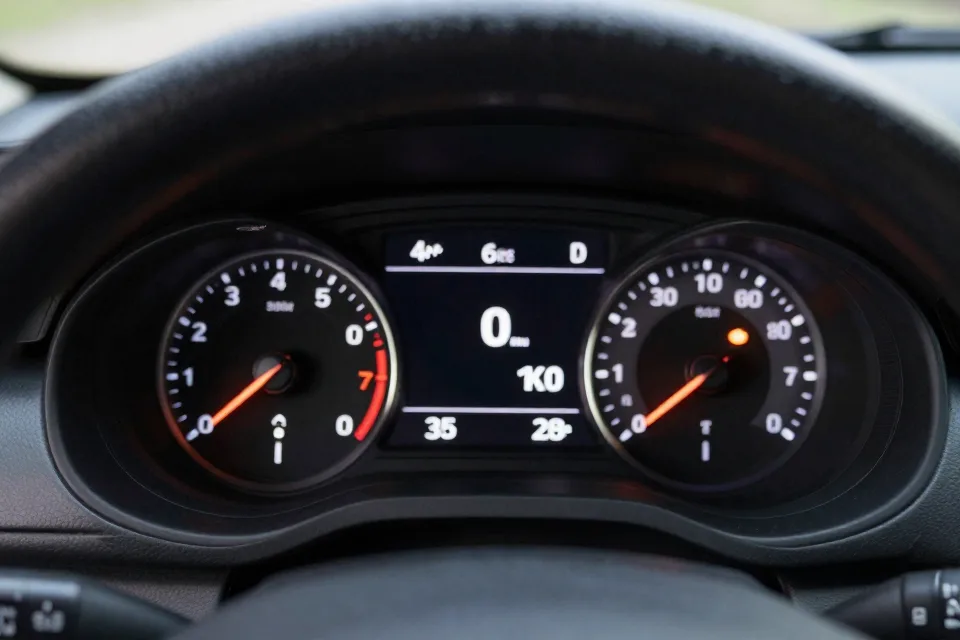
An oil-life monitor reads how you actually drive, not just how far. It watches factors like engine revolutions, temperature, and drive time, then shows remaining oil life as a percentage. When it drops low, it is time to schedule service.
These systems are smart. A person who drives mostly warm highway miles may see the monitor count down slowly. A person stuck in daily stop-and-go traffic will see it fall faster. Some General Motors monitors average around 8,500 miles between changes, but your own number will shift with your habits.
The monitor is a helpful guide, but it does not replace your eyes. It tracks the oil's quality, not its quantity. That is why you should still check the dipstick yourself now and then.
Are You a 'Severe' Driver Without Knowing It?
Car manuals often split driving into two buckets: normal and severe. The word 'severe' sounds rare, but most of us do it every week. Any of these habits can put extra stress on your oil:
-
Short trips of about 5 miles or less
-
Long idle time in drive-thrus or warm-ups
-
Stop-and-go city or highway traffic
-
Dusty, sandy, or dirt roads
-
Very hot or very cold weather
-
Towing a trailer, boat, or camper
-
Carrying a roof rack or a heavy load
A commute shorter than about 10 miles may not let your engine and oil fully warm up, which counts as severe driving. So do frequent cold starts in a freezing winter.
If much of your driving fits this list, treat it as a reason to change oil a little sooner than the manual's normal schedule.
Towing and Hauling Change the Math
Pulling a trailer or camper works the engine harder, heats the oil more, and wears it out faster. Automakers list towing, heavy loads, long idling, and off-road use right alongside short trips as severe-duty conditions.
Ford, for example, says drivers should never exceed one year or 10,000 miles between oil changes, even on a light-use car. Ram goes further and adds a cap of 350 engine hours. Vehicles that tow frequently often need service every 3,000 to 7,000 miles, depending on how hard they work.
If you regularly pull a trailer, shorten your interval and check the level more often. Hard work can also burn a little oil, so topping up between changes matters more.
The Simple Dipstick Check
Checking your own oil takes about two minutes and can stop a small problem from turning into an expensive engine repair. Do it when the car is parked on level ground with the engine off. Let a hot engine cool so you do not burn yourself, and follow these steps:
-
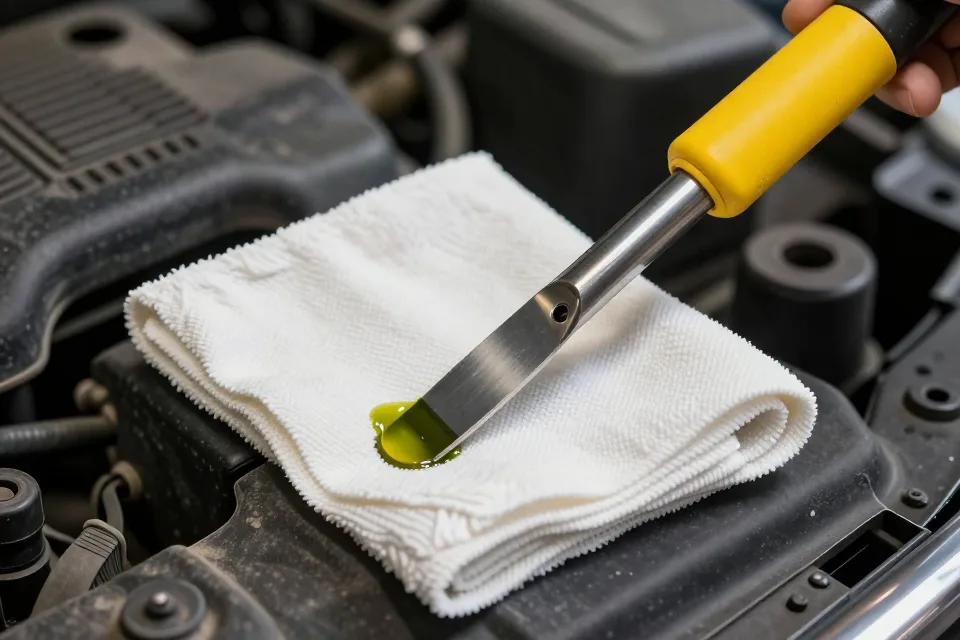
Open the hood and find the dipstick. It usually has a bright yellow or orange handle.
-
Pull the dipstick out and wipe it clean with a rag or paper towel.
-
Push it all the way back in, wait a second, then pull it out again.
-
Read the level at the tip, between the two marks — often labeled MIN and MAX or shown as a crosshatched area.
If the oil sits between the marks, you are fine. If it is at or below the low mark, add roughly a quart, a little at a time, and recheck so you do not overfill. Adding too much can be as harmful as too little.
The Mistakes People Still Make
These are the slip-ups we see most often. They are easy to avoid once you know them.
| Mistake | Why it matters |
|---|---|
| Changing oil at 3,000 miles out of habit | Wastes money on perfectly good oil |
| Ignoring the owner's manual | You may under- or over-change for your specific car |
| Trusting the monitor but never checking the dipstick | The monitor sees quality, not a low oil level |
| Judging oil only by its color | Oil darkens as it works; dark does not always mean dirty |
| Thinking short trips are easy on oil | Short trips never warm the engine, which is hard on oil |
| Overfilling when you top up | Too much oil can damage seals and the engine |
A Quick Checklist Before You Drive On
-
Find your car's exact interval in the owner's manual.
-
Use the oil type and weight the manufacturer calls for.
-
Change the oil at least once a year, even if you drive very little.
-
Watch the dashboard oil-life monitor, but do not rely on it alone.
-
Check the dipstick every few fill-ups, and more often if you tow.
-
Add oil slowly and stop at the full mark, never past it.
-
Shorten your interval if short trips, traffic, dust, or towing fill your week.
A little attention to your oil costs very little today and protects the most expensive part of your car for years to come.
This article is for general information only — when in doubt, consult a qualified professional.
Sources
- [authority] https://www.aaa.com/autorepair/articles/how-often-should-you-change-your-oil