
Staying Safe Behind the Wheel After 60
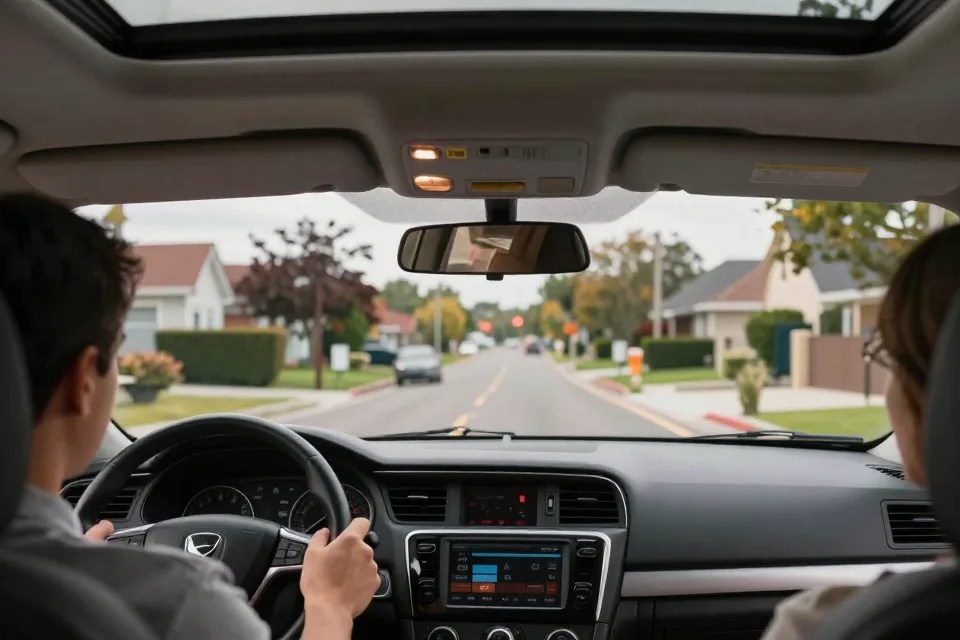
Your car keys are more than metal and plastic. For millions of Americans, they mean errands on your own schedule, visits to friends on a whim, and a life that does not depend on asking for a ride. That independence is worth protecting — and so is the person behind the wheel.
Here is the good news up front: turning 60 does not mean the end of the road. Older drivers are, mile for mile, among the safest people on American roads. The habits that keep you sharp — a yearly eye exam, the right seat position, smarter route choices — are simple and mostly free. This guide covers what really changes with age, what the crash data shows, and the small adjustments that can add years of safe driving.
What the Data Really Says About Older Drivers
Start with a fact that surprises most people: seniors are not the risk-takers of the road. Compared with other age groups, older drivers are more likely to buckle up, more likely to obey speed limits, and far less likely to drive after drinking, according to AAA. Drivers in their mid-to-late eighties also log lower crash rates per mile than drivers in their early twenties — about half the crash rate of teenagers, AAA reports.
The raw numbers still look heavy. In 2023, 7,891 people aged 65 and older were killed in motor vehicle crashes and an estimated 279,225 were injured; one in five traffic deaths that year involved a person 65 or older, NHTSA reports. The National Safety Council counted 9,727 deaths in 2024 involving drivers and other road users 65 and older. Behind those figures is a fast-growing group: roughly 52 million licensed drivers are now 65 or older, a 77 percent jump since 2004, the CDC reports.
So why do older drivers appear so often in the statistics? The answer is fragility, not recklessness. Older bodies simply survive crashes less well. The Insurance Institute for Highway Safety (IIHS) found that fragility — the risk of dying when a crash does happen — is what drives most of the extra risk: it explains 77 percent of the higher death rate per mile among drivers 75 to 79, and 68 percent for those 80 and up. In plain terms, older drivers do not crash more often per mile; the same crash hurts more.
That reframes everything. The goal is not to become a flawless driver. It is to steer clear of the situations where crashes are most likely, and to give your body every advantage if one happens anyway.
What Changes as You Age
Vision leads the list. Everyone's eyesight changes with age, and NHTSA notes that these declines are a normal part of growing older. Night vision dims, glare from oncoming headlights feels harsher, and your eyes take longer to recover after a bright light passes. The fix is straightforward: have your eyes examined every year and tell the eye doctor that you drive. A current prescription and lenses with an anti-glare coating can make a real difference.
Hearing and flexibility matter almost as much. If you cannot hear a siren or a horn, you are missing information every driver relies on. If your neck is stiff, checking a blind spot becomes a chore. Regular movement — a daily walk, simple neck and shoulder stretches — keeps you limber enough to look, signal, and steer without strain.
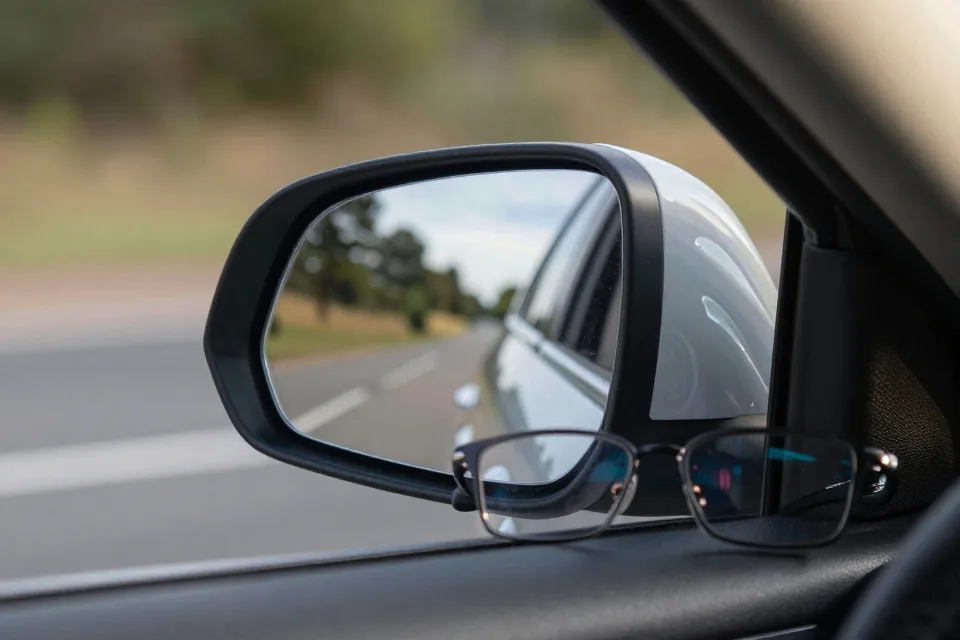
Reaction time slows a little for everyone, and so does the ability to handle two things at once. That is not a reason to quit; it is a reason to simplify. Give yourself more following distance, brake earlier, and let the other driver merge. Smooth driving beats fast driving every time.
Medications deserve their own category because they are easy to overlook. Many common prescription and over-the-counter drugs, from allergy medicines and sleep aids to pain relievers and antidepressants, can cause drowsiness, dizziness, or blurred vision. NHTSA points out that medicine labels warning against operating heavy machinery apply to driving, too. Whenever you start a new medicine, ask your doctor or pharmacist how it might affect your driving — and never mix medicines, including alcohol, without their advice, because combining them can multiply the impairing effects.
Common Mistakes Older Drivers Make
These are the habits that quietly raise risk, even for experienced drivers:
| Mistake | Why It Hurts | What to Do Instead |
|---|---|---|
| Skipping the yearly eye exam | An outdated prescription worsens glare and night vision | See your eye doctor annually and mention that you drive |
| Driving on a new medicine without checking | Drowsiness and slowed reactions you may not notice | Read the label; ask your doctor or pharmacist first |
| Pushing through rush hour | More traffic means more decisions and more stress | Run errands mid-morning or early afternoon |
| Refusing to limit night driving | Glare and dim light strain aging eyes | Plan trips for daylight and choose well-lit routes |
| Leaving the seat and mirrors poorly adjusted | Bigger blind spots and awkward reach | Do a CarFit-style check and set everything for your body |
| Ignoring the safety tech already in your car | You paid for crash protection you never use | Learn the blind-spot, camera, and braking features |
| Driving while tired or unwell | Slower judgment and drifting attention | Rest first, or ask someone else to drive |
Make Your Car Fit You
One of the best free upgrades for older drivers has nothing to do with the engine. CarFit is a national program built on a collaboration of AAA, AARP, and the American Occupational Therapy Association. At a free event, trained technicians walk through a 12-point checklist covering seat height, distance to the steering wheel, mirror angles, head restraint position, and more. They do not modify your car — they recommend adjustments — and the whole check takes about 30 minutes.
Fit matters because small errors add up. A seat that sits too low shrinks your view of the road. A mirror angled a few degrees wrong can hide an entire car in a blind spot. Simply moving the seat forward or adjusting a mirror reduces strain and improves what you can see.

Modern safety features close the gap further. Rearview cameras make backing up easier for drivers with limited neck mobility, notes Edmunds. IIHS research shows that front crash prevention, blind-spot detection, and lane departure warning all reduce crashes — combined, those three systems could relate to roughly one in five of older drivers' crash involvements each year. If your car has these features and you rarely use them, take an afternoon to learn the buttons.
Shopping for a new car? KBB suggests looking for LED headlights, which throw light wider and farther, power-adjustable seats to fight fatigue, and easy entry and exit with wide doors and seats near hip level.
Drive Smarter, Not Less
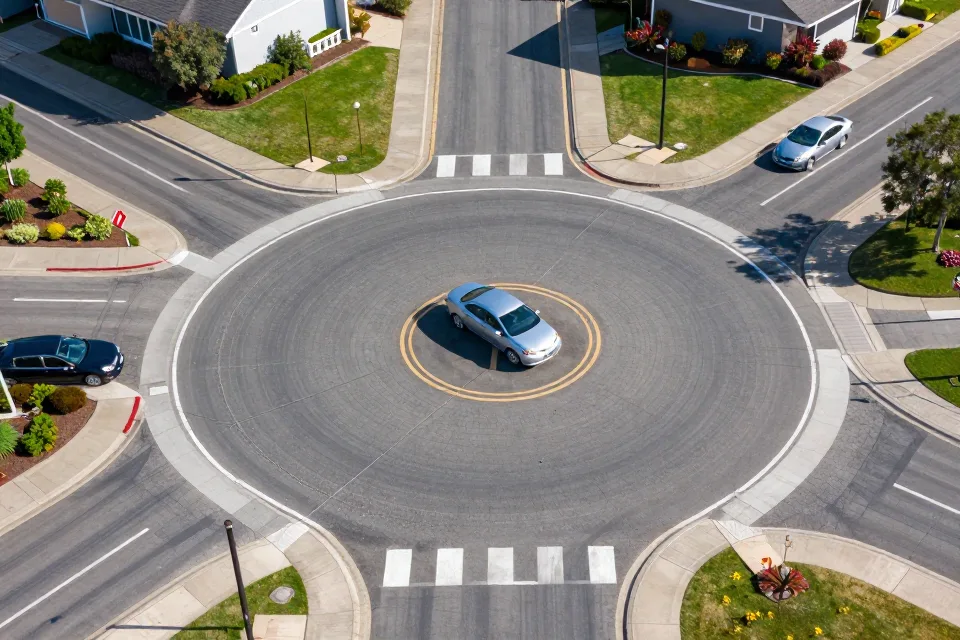
Intersections deserve the most respect. IIHS found that for drivers 80 and older, crashes with other vehicles at intersections made up 43 percent of their fatal-crash involvements in 2024 — for drivers ages 16 to 59, the figure was 24 percent. NHTSA research tells a similar story: drivers 80 and older are roughly five times more likely to be the at-fault driver in an intersection crash than drivers in their sixties.
The practical fix is route planning. Avoid left turns across oncoming traffic when you can; a route built from right turns often costs a few minutes and saves a lot of stress. Choose intersections with traffic lights over uncontrolled ones, and go a little out of your way for a familiar, well-marked road.
Time of day matters too. Most crashes involving older drivers happen during daylight hours — largely because that is when older drivers choose to drive, AAA notes. Daylight is a comfort, not a guarantee. Try to avoid rush hour, drive in daylight whenever possible, and skip trips in heavy rain, snow, or fog. Leave a few minutes early so you never feel rushed.
Give yourself room to react. A good rule of thumb is a three- or four-second following distance in good conditions, and more in rain or at night. At stops, watch the mirror until the car behind you has clearly slowed. These habits cost nothing and buy you time — the one thing a crash never gives back.
Simple maintenance keeps the car predictable. Check tire pressure once a month and keep tires at the pressure on the driver's door sticker; proper inflation improves gas mileage by 0.6 percent on average and up to 3 percent while keeping handling stable, per fueleconomy.gov. When you must drive at night, keep the windshield clean, dim the dashboard lights, and glance down and to the right instead of straight into oncoming headlights.
Know Your Limits — and Plan the Future
A little honest self-assessment goes a long way. AAA's Drivers 65 Plus is a free 15-question self-rating tool that scores your driving and lists your strengths and weaknesses. Consider a professional driving assessment if you have had a recent crash or near miss, if you have been diagnosed with a condition that can affect driving, or if family members keep expressing concern.
Watch for the warning signs that safety agencies agree on: getting lost in familiar places, fresh dents and scrapes on the car or the garage, frequent close calls, trouble judging gaps in traffic. The National Institute on Aging lists these as signals that driving skills may be slipping. Seeing them in yourself is not failure — it is information, and acting on it early keeps you in charge of the decision.
Age alone should never end a driving career. NHTSA says plainly that age by itself should never decide whether someone keeps driving, and AAA notes that licensing decisions are best made case by case, not by a birthday. State rules vary widely — some require in-person renewal and vision tests after a certain age, others do not — so check the rules in your state.
Finally, plan the transition before you need it. Rideshare services, senior transit programs, and friends and family can cover most trips, and many communities offer free or discounted ride programs for older adults. Knowing your options early takes the fear out of the conversation — with yourself and with the people who love you.
Talking about driving with family is easier when you raise it yourself. Bring up the topic on your own terms — mention that you have been thinking about night driving, ask their opinion, set a date to revisit it. Drivers who start the conversation stay in control of it.
Your After-60 Driving Checklist
Run through this list once a year, or anytime something feels off:
-
Eyes examined in the last year, with a driving prescription if you wear glasses
-
Hearing checked, and hearing aids worn while driving if prescribed
-
Every new medicine reviewed for effects on driving
-
Seat, mirrors, and head restraint set for your body; a CarFit check completed if one is offered nearby
-
Safety features — camera, blind-spot, auto-braking — learned and actually used
-
Tires at the pressure on the door sticker, checked monthly
-
Trips planned for daylight, lighter traffic, and routes you know
-
Left turns across traffic and complex intersections minimized
-
An honest self-check: getting lost, close calls, or new dents mean it is time to talk
-
A backup plan in place — who to call, what to use — before you need it
Driving after 60 is not about holding on; it is about adapting. Adjust what needs adjusting, check what needs checking, and enjoy the road on your terms for as long as it is genuinely safe for you and everyone around you.
This article is general information, not medical, legal, or financial advice, and it is not a substitute for a conversation with your doctor, pharmacist, or state motor vehicle agency. For more on how we handle content on this site, please see our disclaimer.
Sources
- [authority] https://crashstats.nhtsa.dot.gov/Api/Public/ViewPublication/813719