
Trailer Hitch Types: Which One Do You Need?
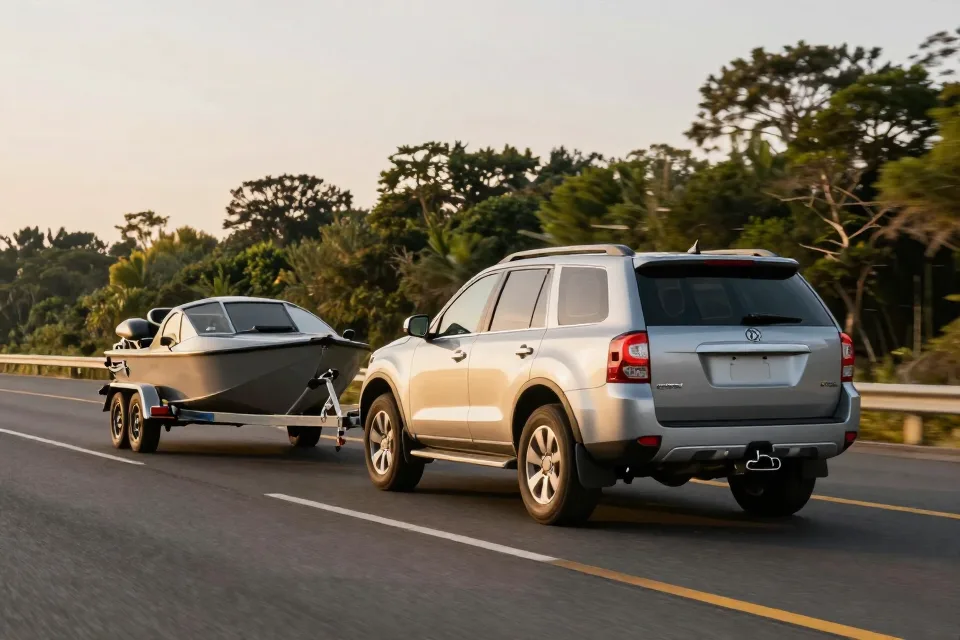
A Two-Inch Square of Steel Decides the Trip
The boat dealer says your SUV can pull the 20-foot runabout. The neighbor down the road tows a big camper with a truck that looks like yours. Before either promise holds up, one part matters more than the engine, the brakes, or the tires: the trailer hitch.
A hitch is a humble piece of steel — a tube, a ball, a few bolts — but it is the only thing connecting thousands of pounds of trailer to your vehicle. Pick the wrong one and the trailer can sway, the rear of the truck can sag, and the coupler can pop loose at highway speed. Pick the right one and towing feels as routine as backing out of the driveway.
The good news is that choosing a hitch is a short list of numbers, not a mystery. This guide covers the hitch types sold in the United States, the class system that rates them, and the checks that keep the whole rig safe.
Start With Your Vehicle, Not the Hitch
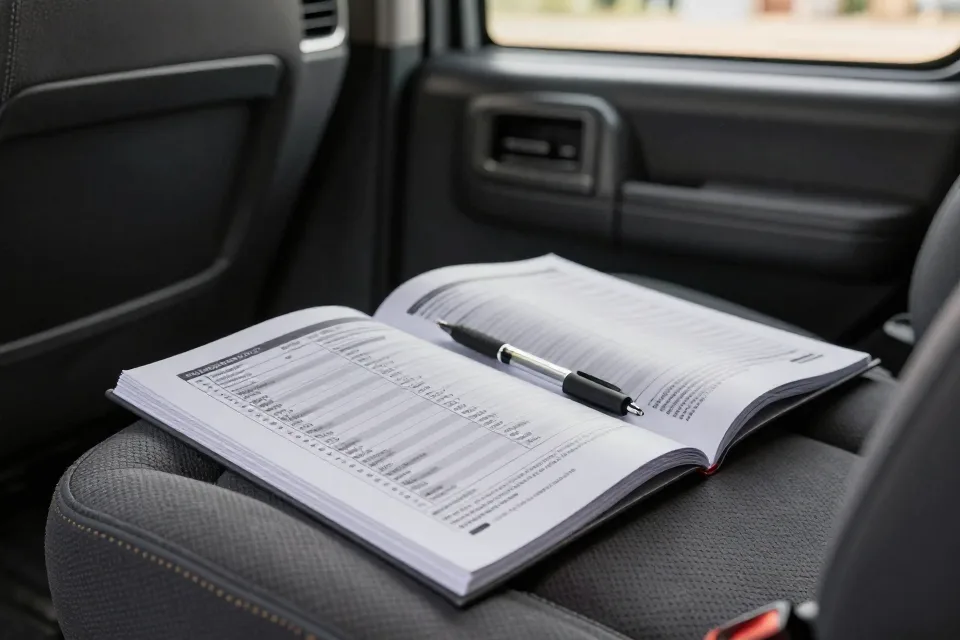
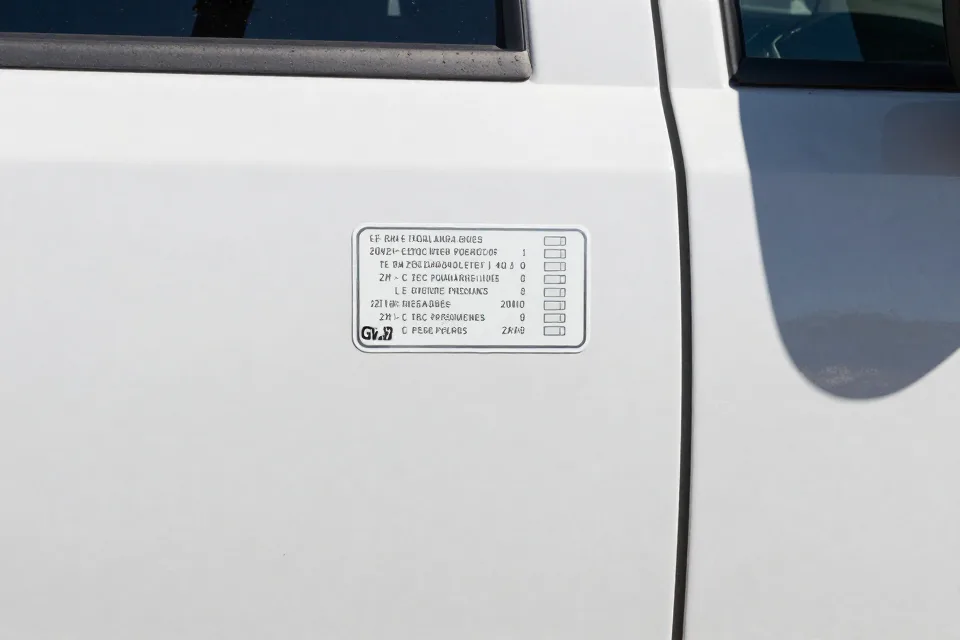
The most common mistake is shopping for a hitch before knowing what the vehicle can actually tow. Your truck's towing capacity comes from the manufacturer, not from the hitch shop — it is printed in the owner's manual and usually on a sticker inside the driver's door. A hitch rated for 8,000 pounds means nothing if the vehicle behind it is only rated for 4,500. The vehicle sets the ceiling.
Two ratings deserve your attention before you shop. The GVWR, or gross vehicle weight rating, is the heaviest the fully loaded tow vehicle may be. The GCWR, or gross combined weight rating, is the limit for the vehicle, the trailer, the passengers, the cargo, and the fuel all added together. The towing capacity — the heaviest fully loaded trailer the vehicle can pull — sits inside that combination, and the trailer's tongue weight counts against the vehicle's payload as well.
Then add the hitch itself to the picture. The whole chain — vehicle, receiver, ball mount, ball, coupler, trailer — is only as strong as its weakest link. Never exceed the lowest rating in that chain, whether it belongs to the truck, the hitch, or the ball.
Four Questions That Pick Your Hitch
You do not need to memorize every hitch on the shelf. Answer four questions about your own setup, and the answers point to one of three hitch families.
-
What are you towing? A small utility trailer, a fishing boat, a family camper, and a full-size fifth-wheel RV each want different hardware.
-
How heavy is it fully loaded? Use the number on the trailer's own sticker — its gross vehicle weight rating — not the dry weight in the brochure. Water, propane, batteries, and gear add up fast.
-
Where does the weight sit? On a ball behind the bumper, or over the rear axle in a pickup bed? That single choice separates receiver hitches from fifth-wheel and gooseneck hitches.
-
How far and how often? A monthly ten-mile run to the dump needs far less rig than a cross-country camping season.
Answer those four and you have narrowed the field. Here are the families, biggest to smallest.
Receiver Hitches: The Class System
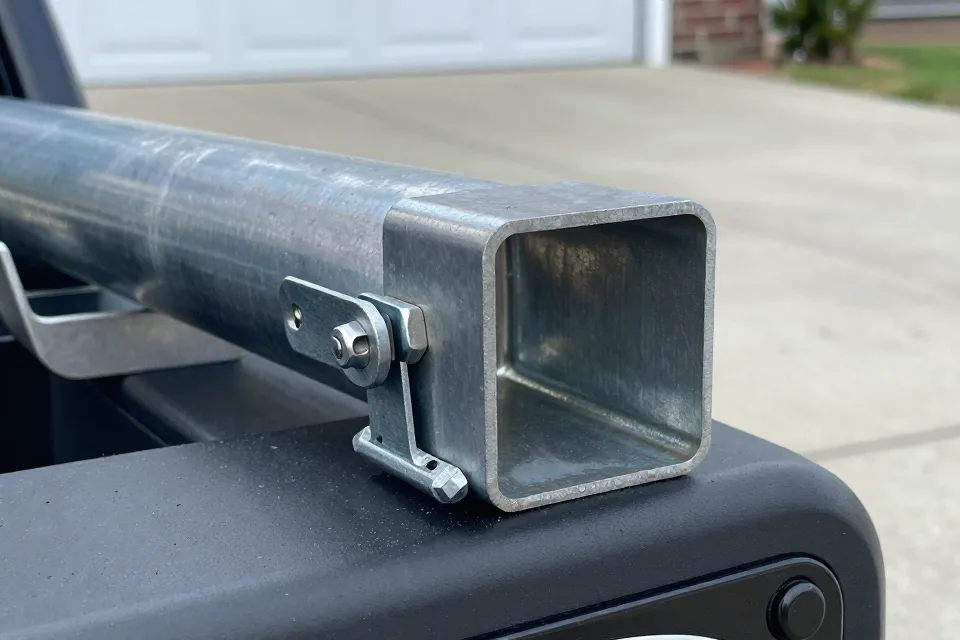
The receiver hitch is the square steel tube bolted to the vehicle's frame. You slide a ball mount into the tube, lock it with a pin, and you are ready to hook up. Receivers dominate the market because one tube accepts many accessories — ball mounts, cargo carriers, bike racks — so the same hitch serves for towing and for hauling gear.
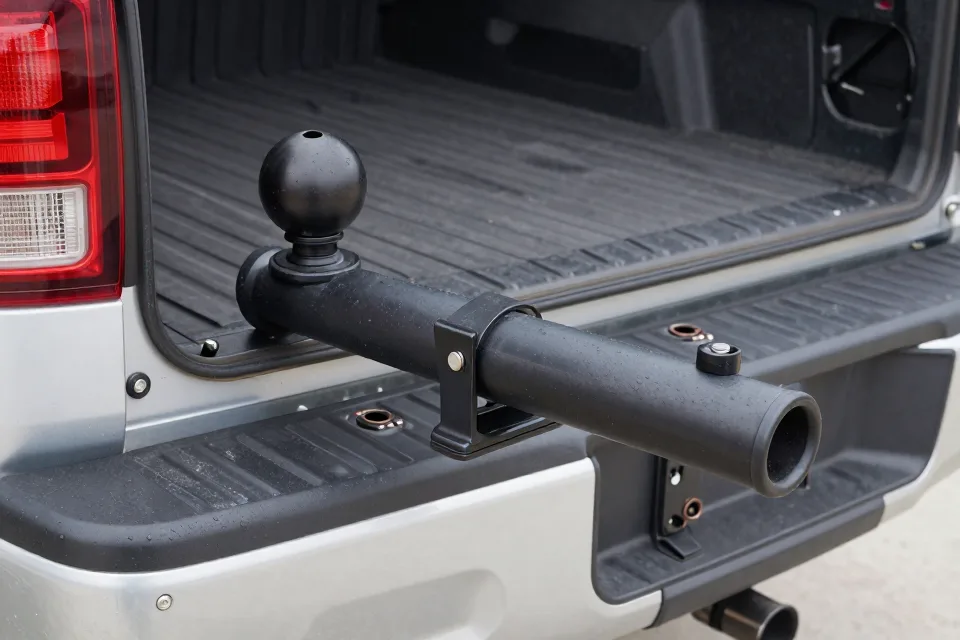
Classes I through V rate how much weight a receiver may carry. Each class pairs a gross trailer weight (GTW) with a tongue weight (TW) — the downward push of the trailer tongue on the ball. The class numbers follow the industry standard SAE J684, and they are published consistently across makers.
| Class | Typical receiver | Max trailer weight | Max tongue weight | What it usually tows |
| --- | --- | --- | --- | --- |
| I | 1-1/4 in | 2,000 lb | 200 lb | Small utility trailers, bike racks |
| II | 1-1/4 in | 3,500 lb | 300-350 lb | Small campers, jet skis, cargo trailers |
| III | 2 in | 5,000 lb | 500 lb | Boats, midsize travel trailers |
| IV | 2 in | 10,000 lb | 1,000 lb | Large travel trailers, equipment |
| V | 2-1/2 in | 10,000 lb and up | 1,200 lb and up | Heavy equipment, big RVs |
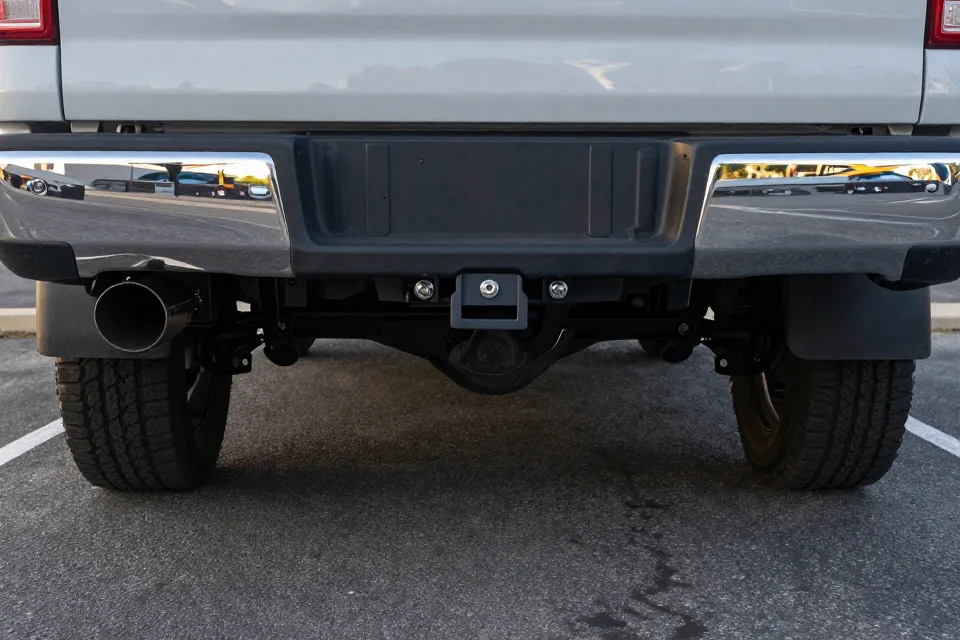
Two footnotes to that table. Some class III hitches are rated up to about 8,000 pounds when used with a weight-distribution hitch, and most class IV hitches above 5,000 pounds require one — the label on your hitch tells you which rule applies to your unit. And these numbers describe what the hitch can carry, not what your vehicle can pull; the lower of the two wins.
Receiver Sizes, Ball Mounts, and Hitch Balls
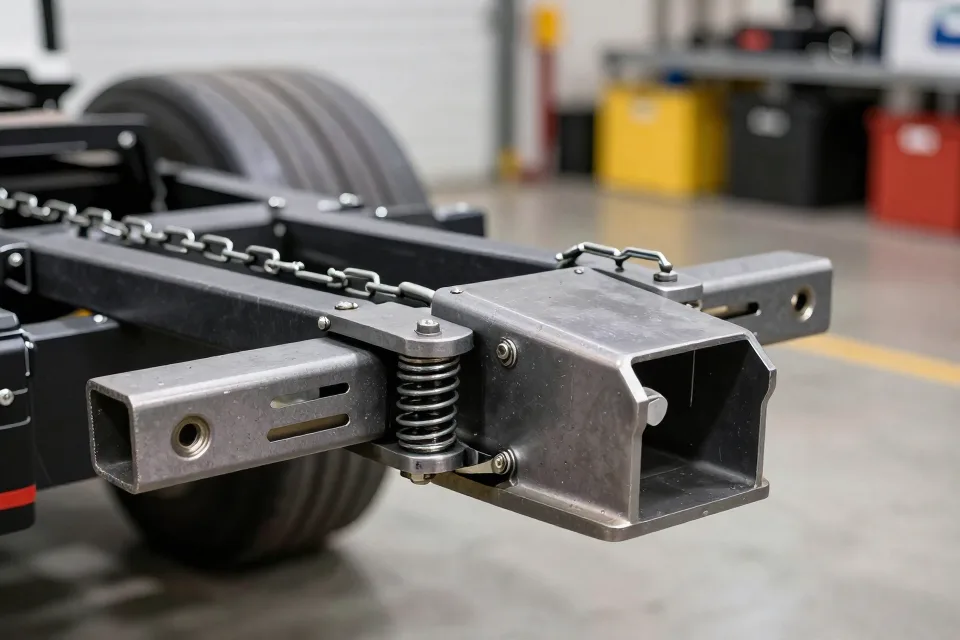
Receiver openings come in three common sizes: 1-1/4 inch, 2 inch, and 2-1/2 inch. The 2-inch receiver is the most common because it covers classes III and IV, the range most boat, camper, and equipment trailers live in. Adapters let you fit a smaller shank into a larger receiver, but they usually lower the rating — read the adapter's label before you trust it.
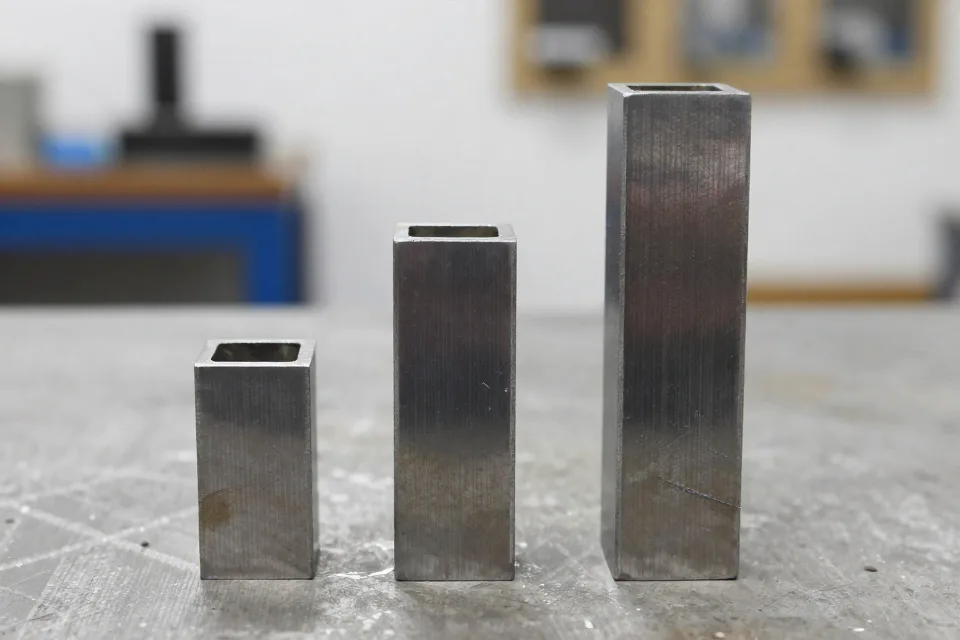
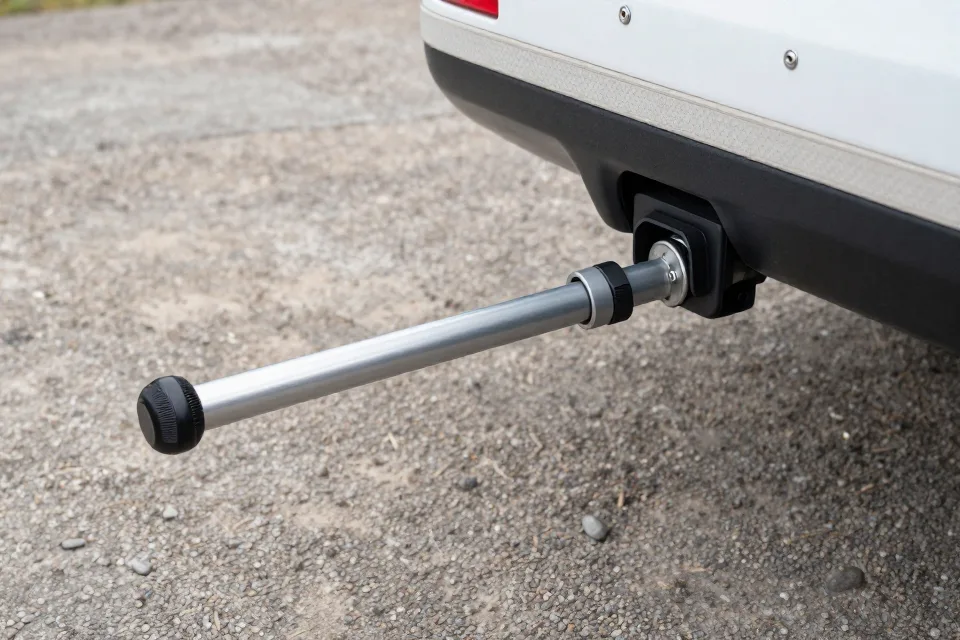
The ball mount, sometimes called a draw bar, carries the ball, and mounts come in different drops and rises so the trailer can ride level. A trailer that noses up or down changes how it tracks and how the brakes feel, so match the mount to the trailer height, not just to the receiver.

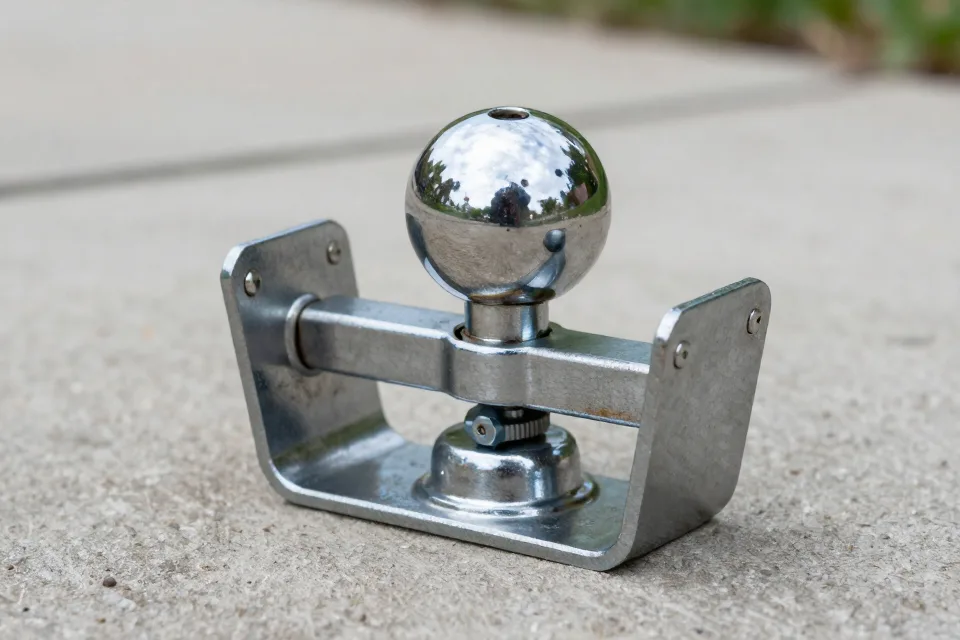
Hitch balls come in three common diameters — 1-7/8 inches, 2 inches, and 2-5/16 inches — and the ball must match the trailer's coupler exactly. Never guess by eye: measure the coupler opening, then buy a ball rated for at least the trailer's weight. A ball one size off can bind on sharp turns or let the coupler slip off over a bump.
A few inexpensive parts carry the whole load, so check them every trip: the pin through the receiver, the clip that holds it, and the nut under the ball. Loose or worn hardware fails without warning.
Weight-Distribution Hitches
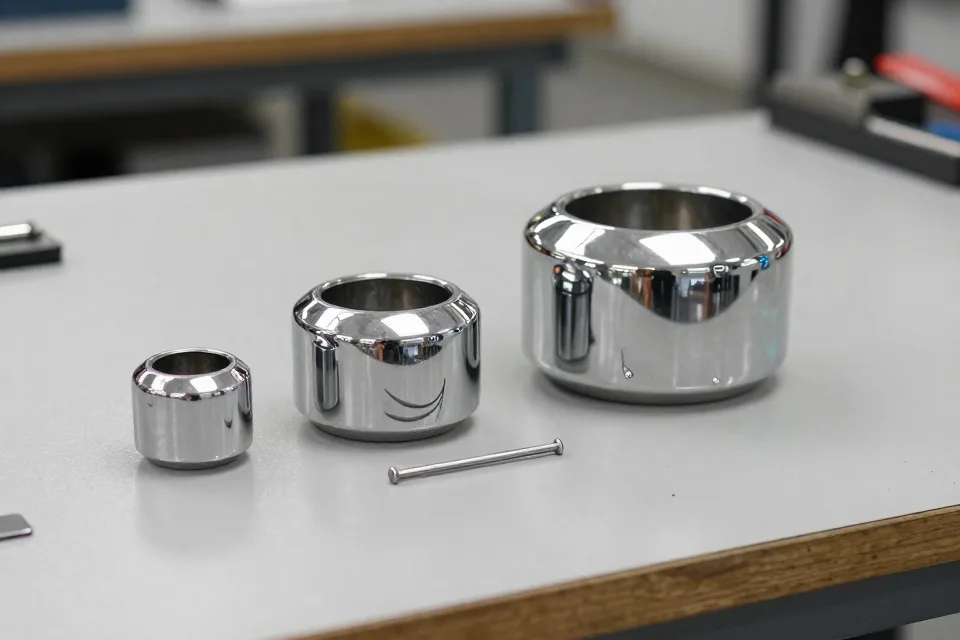
A heavy tongue weight pushes the rear of the truck down and lightens the front wheels. Steering goes vague, and your headlights start aiming at the treetops. A weight-distribution hitch adds spring bars that spread that tongue load across the tow vehicle's axles and shift part of it back onto the front wheels.
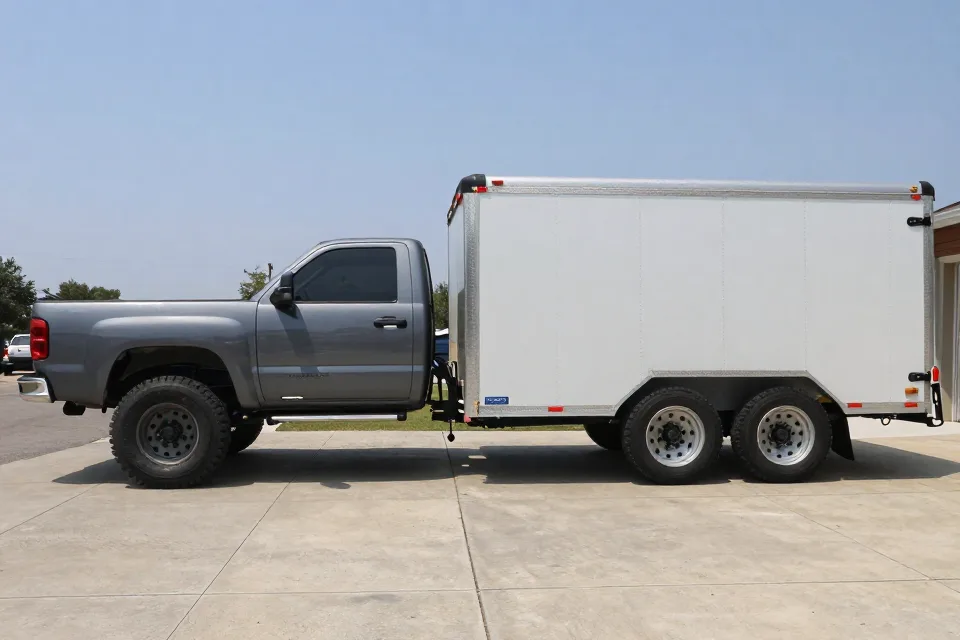
When do you need one? Two common triggers: the loaded trailer weighs more than about half of your vehicle's towing capacity, or the tongue weight is high enough that the rear visibly sags when you hook up. Many trailer and hitch makers also require a weight-distribution hitch above certain weights — check the trailer's own documentation before you tow.
Sway control is a separate but related tool. A friction sway bar, or sway control built into a weight-distribution hitch, resists the side-to-side motion that gusts and passing trucks can start. It is a helper, not a cure: no sway bar can save a trailer that is overloaded or loaded badly.
Fifth Wheel and Gooseneck Hitches
The heaviest loads — big fifth-wheel RVs, horse trailers, heavy equipment — are not pulled from a ball behind the bumper. They ride on a hitch in the middle of a pickup bed, where the load sits over or just ahead of the rear axle. That position is far more stable and allows much higher capacities, which is why these hitches dominate heavy towing.
The two styles differ in the connection. A fifth wheel uses a plate and kingpin set into the bed; a gooseneck uses a ball mounted in the bed floor. The fifth wheel takes up bed space and needs rails mounted to the frame; the gooseneck ball can be lifted out to free the bed for cargo.
Neither belongs on a half-ton pickup. They pair with 3/4- and 1-ton trucks, and the truck's payload — not just the hitch's rating — must be able to carry the load. If you are shopping for one, the truck gets chosen first.
Common Mistakes Even Experienced Towing People Make
Experience hides its own bad habits. Check yourself against these before you buy or hook up:
-
Buying the hitch before reading the tow rating. The vehicle is the ceiling; the hitch is just the frame of the door.
-
Matching the ball by eye. Measure the coupler. A ball that is a fraction of an inch off can bind on turns or drop the trailer entirely.
-
Trusting the dry weight. Add water, propane, gear, and batteries — a camper quoted at 4,800 pounds can roll out at 6,000.
-
Skipping the weight-distribution hitch because 'it'll be fine.' Sag and sway are the rig telling you it is not fine.
-
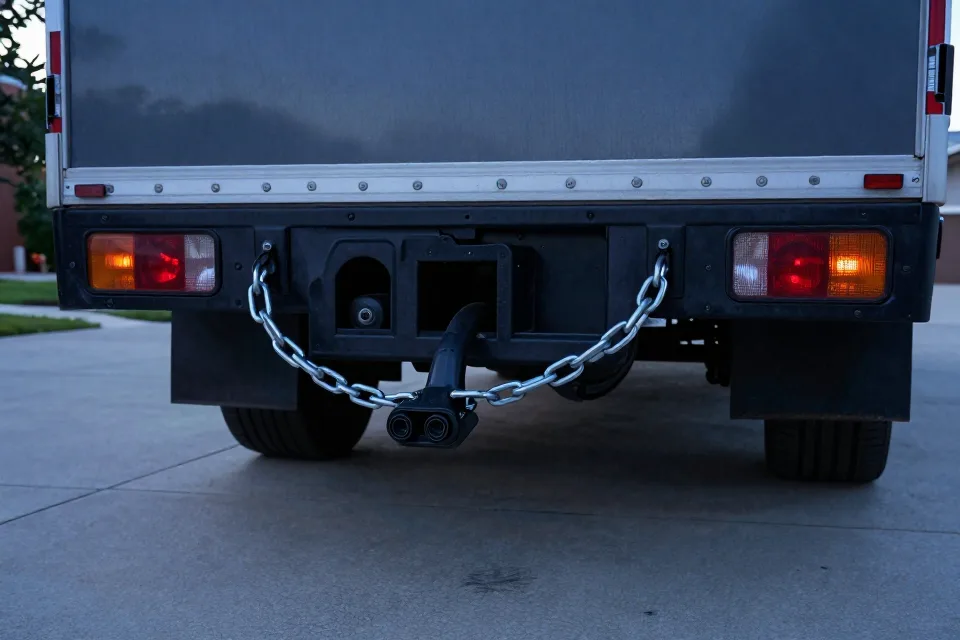
Hooking the safety chains wrong. Chains cross under the tongue and attach to the vehicle's frame, never to the ball mount, with slack for turns but not enough to drag.
-
Using a class III hitch's weight-distribution rating without checking the label. Only a hitch labeled for weight distribution gets to use that higher number.
-
Ignoring rust and wear. Hitches live under the bumper, where salt and grime hide cracks and corrosion until something lets go.
-
Assuming the factory hitch matches the truck's full tow rating. Many factory hitches are rated lower than the truck can actually pull — the label tells you which.
The 10-Minute Pre-Trip Hitch Check
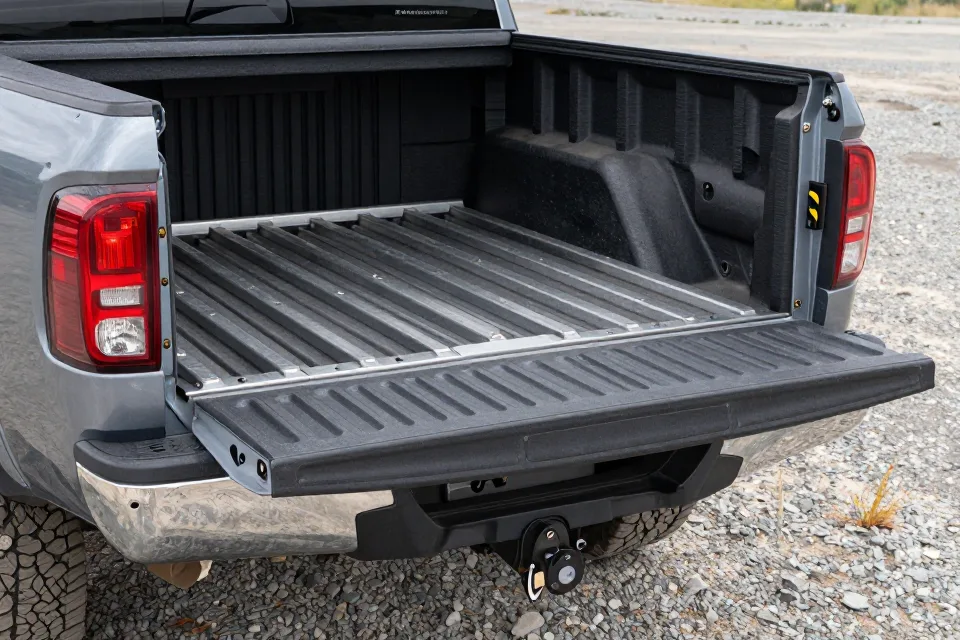
Ten minutes in the driveway beats a breakdown on the interstate. Run this list every time you hook up:
-
Owner's manual numbers fresh: tow rating, tongue weight, payload.
-
Trailer sticker checked — the loaded weight is within both the vehicle rating and the hitch rating.
-
Hitch inspected for cracks, loose bolts, and heavy rust; the rating label still readable.
-
Ball the right size, tight on its mount, lightly greased, and rated for the load.
-
Pin and clip locked through the receiver and the ball mount.
-
Safety chains crossed under the tongue and attached to the frame hooks.
-
Wiring plugged in; brake lights, turn signals, and taillights tested.
-
Tire pressure on the truck and the trailer at the pressures on the stickers — underinflated tires hurt handling and fuel economy.
-
Trailer brakes: know your state's rule — Minnesota, for example, requires brakes on trailers over 3,000 pounds — and test them before you roll.
-
Mirrors: you can see both sides of the trailer, or you add tow mirrors.
The Bottom Line
Three families cover nearly every rig on the road. A receiver hitch in classes I through IV handles most cars, SUVs, and light trucks. A weight-distribution hitch upgrades the same receiver for heavier campers and boats. And fifth-wheel or gooseneck hitches carry the truly heavy loads from a pickup bed.
Match three numbers — the vehicle's towing capacity, the trailer's loaded weight, and the hitch's label — in that order, and you have done the hard part. When two classes could work, the larger one is the cheaper insurance.
This article is general guidance, not a substitute for your vehicle owner's manual, the hitch manufacturer's instructions, or the laws in your state. For more on how we handle content, see our disclaimer.
Sources
- [authority] https://cybercemetery.unt.edu/archive/oilspill/20130224014339/http://mcs.nhtsa.gov/index.cfm?fuseaction=product.display&product_ID=513