
6 Signs Your Car Needs a Wheel Alignment
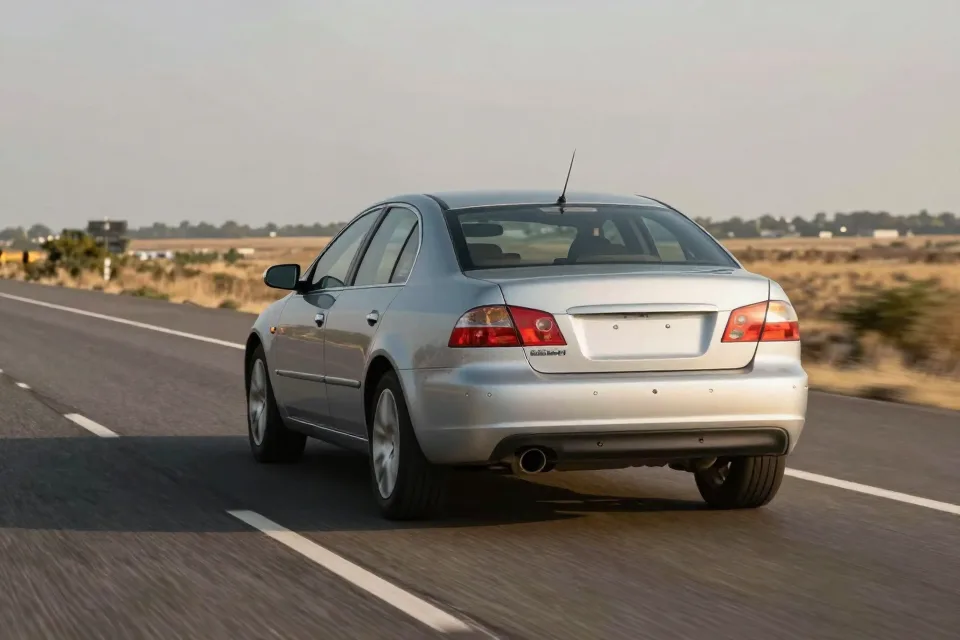
Your car has been trying to tell you something for weeks. Maybe it drifts toward the shoulder on a flat highway. Maybe the steering wheel sits a few degrees off when you are driving straight. Or maybe one front tire is balding along its inner edge while the rest of the tread still looks new.
Those are the quiet signals of misaligned wheels. Left alone, they lead to tires that wear out early, a car that drinks more fuel, and handling that turns nervous in an emergency. The good news is that wheel alignment is a routine service — and the warning signs are easy to recognize once you know what to look for.
Here are the six most common signs your car needs a wheel alignment, what they mean, and how to handle each one.
What a Wheel Alignment Actually Does
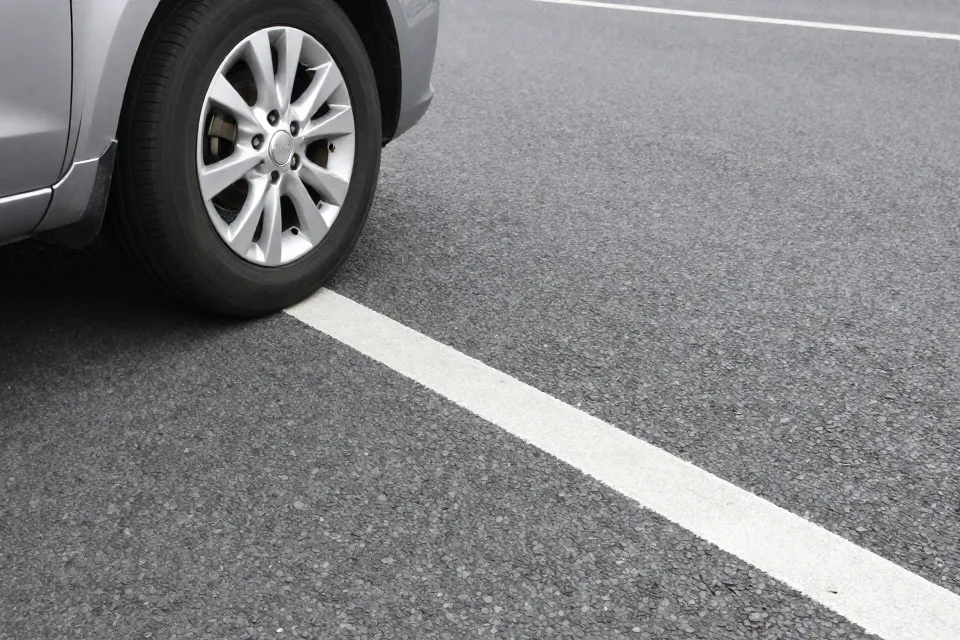
A wheel alignment — also called a tire alignment or front-end alignment — is a service that adjusts the angles of your wheels to match your vehicle maker's specifications. It is not a wheel repair, and it is not the same as wheel balancing. Alignment sets the angles so your tires meet the road as intended; balancing adds small weights to stop a wheel from wobbling as it spins.
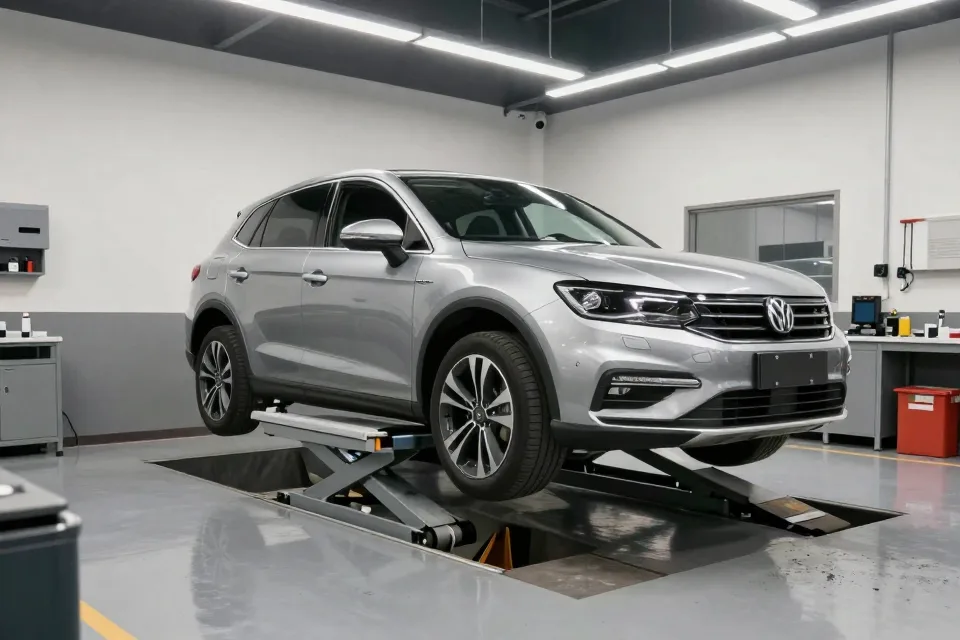
Three angles matter most. Camber is the tilt of the tire when viewed from the front, toe is whether the tires point slightly toward or away from each other, and caster is the angle of the steering pivot. When these fall outside the maker's numbers, tires scrub against the pavement instead of rolling cleanly. That friction shows up as uneven wear, a wandering car, and wasted fuel.
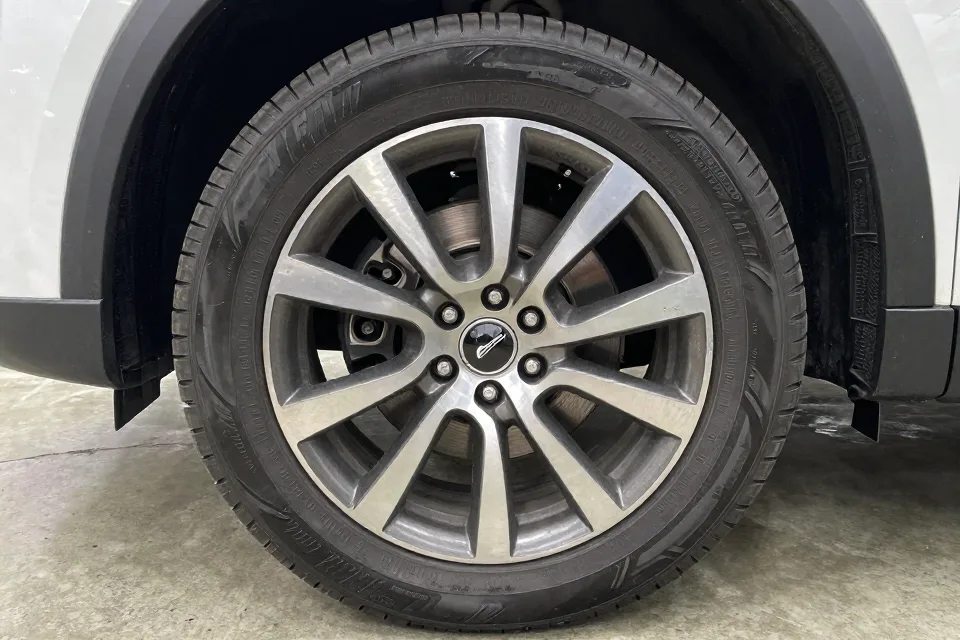
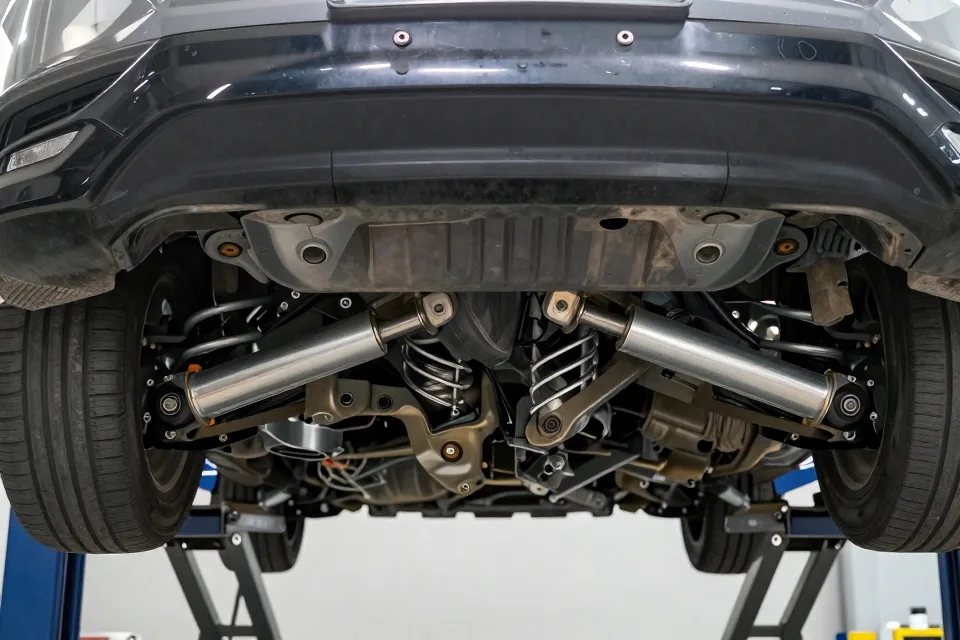
Most modern cars are designed for a four-wheel alignment, because the rear suspension can be adjusted too. A two-wheel, front-only alignment may be fine on some older vehicles with a solid rear axle, but your shop will tell you what your car needs.
Sign 1: Your Car Pulls or Drifts to One Side
On a straight, flat road with your hands resting lightly on the wheel, an aligned car tracks straight ahead. If it steadily pulls left or right, alignment is one possible cause — but not the only one. AAA notes that a pull can also come from low tire pressure, a failed belt inside a tire, or worn steering and suspension parts.
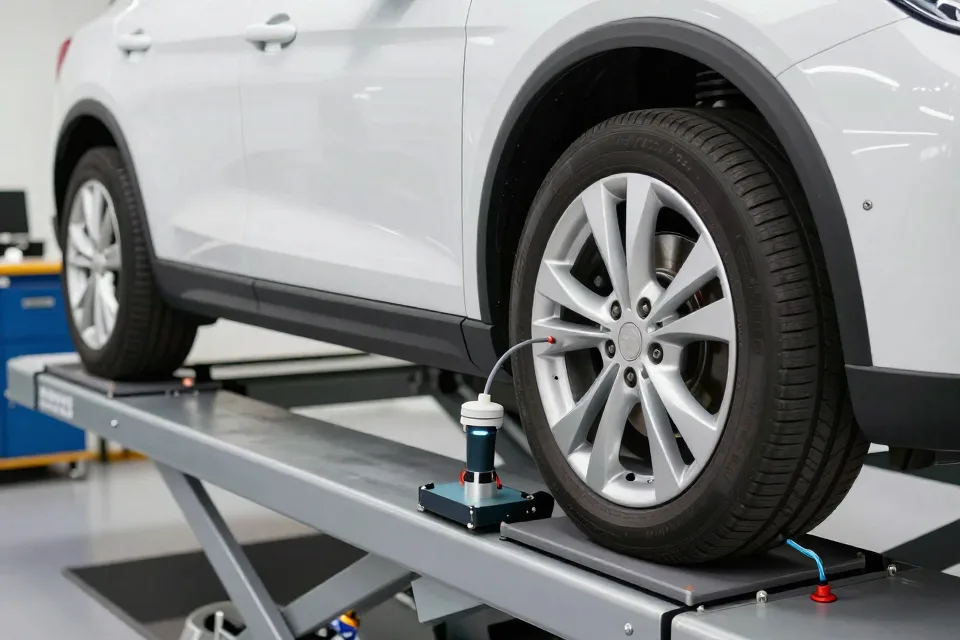
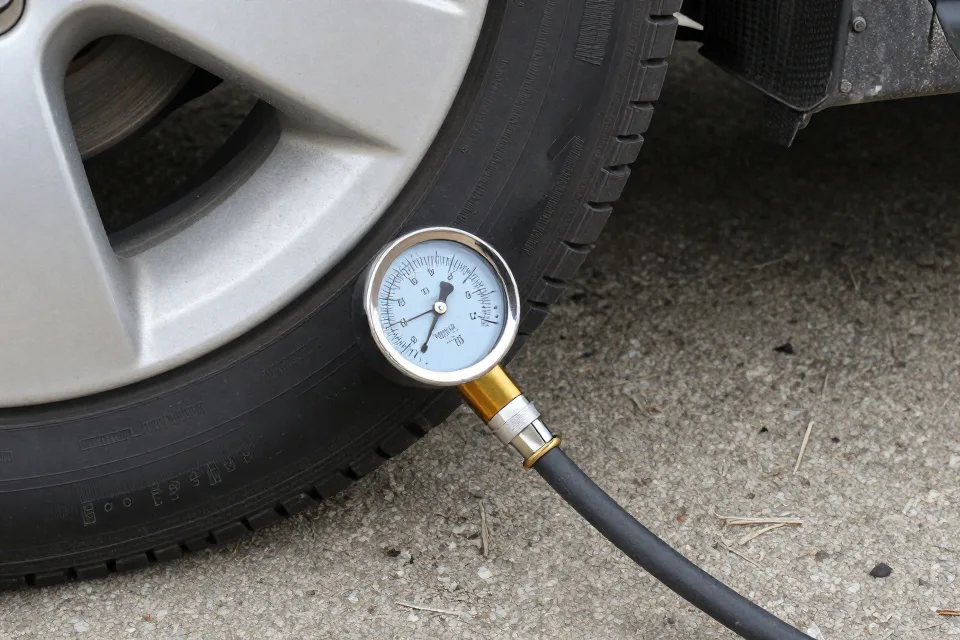
Do the cheap check first: verify the air pressure in all four tires, since NHTSA recommends checking pressure at least once a month. Correct pressure pays for itself too — the U.S. Department of Energy reports that properly inflated tires improve gas mileage by about 0.6 percent on average, and by up to 3 percent in some cases. If the pressure is right and the pull continues, have a shop inspect the tires and suspension before you pay for an alignment. A proper shop performs that inspection as part of the job.
Sign 2: The Steering Wheel Sits Crooked
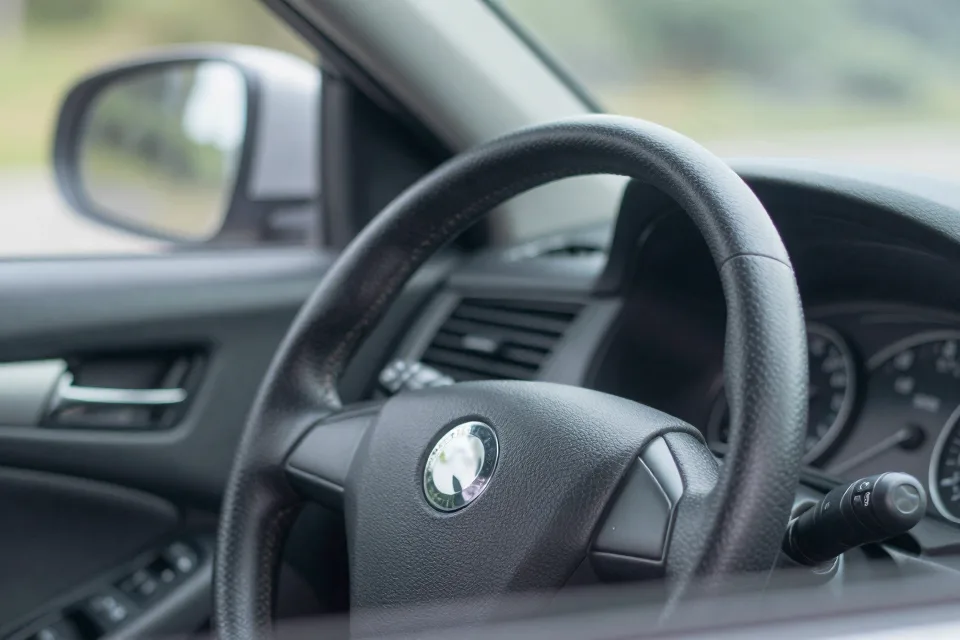
Drive down a straight road and glance at the steering wheel. It should sit centered. If you have to hold it tilted a few degrees to keep the car going straight, the wheels are probably out of alignment. The car may travel fine — but the wheel is off, and that is a clue you should not ignore.
This one is easy to miss because nothing feels urgent. The car goes where you point it, so you adapt. Over weeks of daily driving, though, that constant small correction means the front tires are fighting the geometry the whole way. Book an alignment check when you notice it.
Sign 3: Tires Wear Unevenly or Too Fast
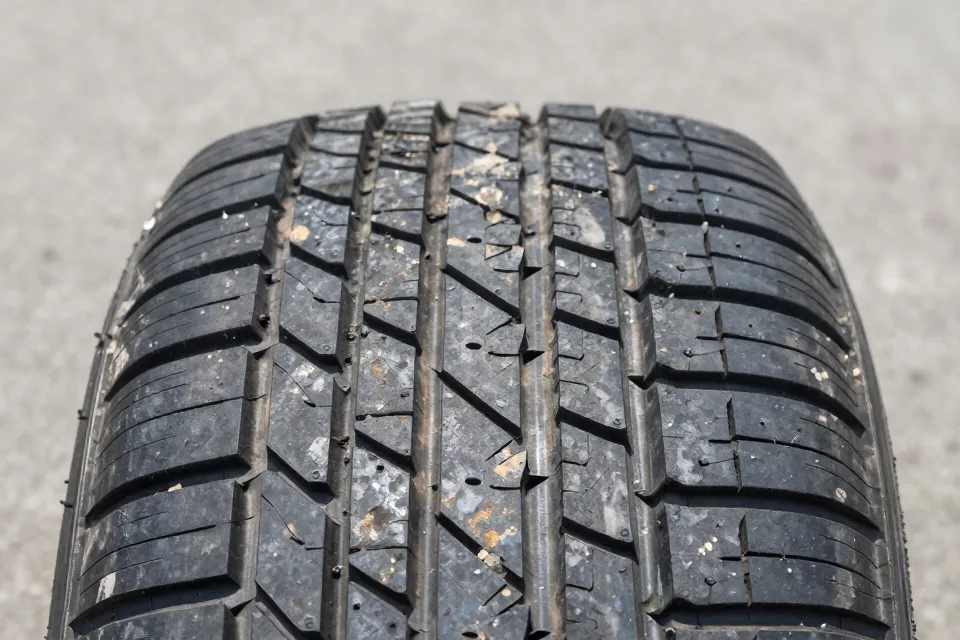
Your tires are the most honest witnesses to an alignment problem, because misalignment leaves its signature in the tread. AAA's car-care guidance describes the patterns to watch for:
-
Wear along one edge of the tread — the inner or outer shoulder — often points to a wheel alignment problem.
-
Wear on both edges with a raised center usually means the tires have been underinflated.
-
Cupping, smooth patches, or a scalloped feel can mean a wheel is out of balance or that shock absorbers and ball joints are worn.
A car that is badly out of alignment can chew through a set of tires thousands of miles early. If you keep up with tire rotations and the uneven wear continues anyway, alignment moves to the top of the suspect list.
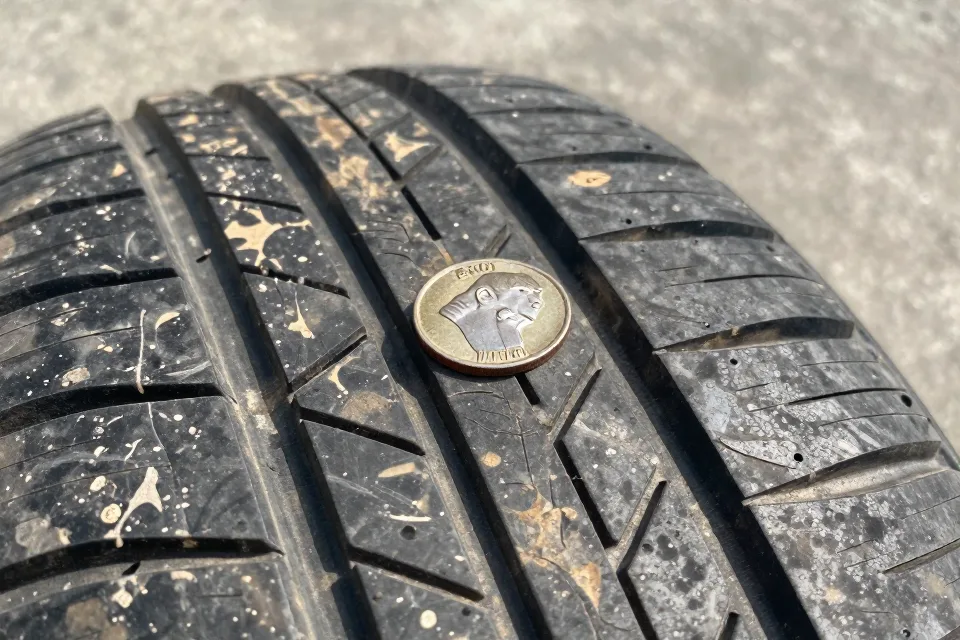
While you are looking at the tread, do the penny test. Place a penny in a groove with Lincoln's head pointing down. If you can see the top of his head, the tread is at or below 2/32 of an inch — the point where NHTSA says tires are no longer safe. Replace them.
Sign 4: The Steering Wheel Vibrates or Shakes
A vibration in the steering wheel, especially at highway speed, is a classic sign of an out-of-balance tire. Misaligned wheels can add to the shaking too, which is why alignment guides list vibration among the symptoms to check. Either way, a shop visit is in order — a vibrating wheel is annoying, and it wears on your hands and arms during long trips.
Sign 5: The Steering Feels Loose or Vague
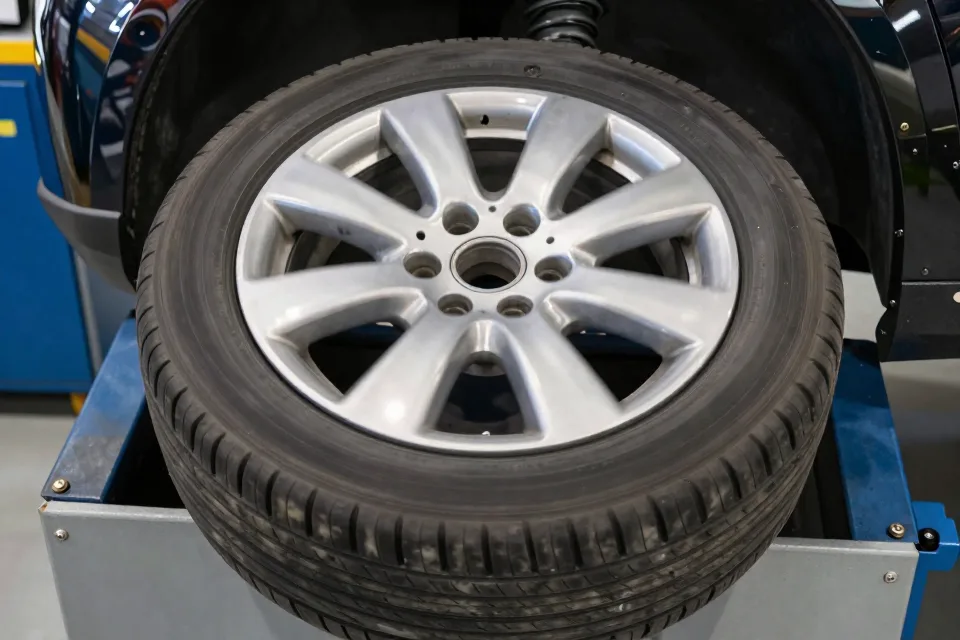
Steering should feel connected and predictable. When it goes vague, you feel it: the car wanders within the lane, needs constant small corrections, or the wheel feels loose and unresponsive. Shops list these as alignment-related symptoms, and worn suspension parts can produce the same feeling.
A useful way to describe it to your technician: the car drifts within the lane on a calm road, and the wheel never feels settled in your hands. Tell them about the wandering along with any other symptoms you have noticed.
Sign 6: Your Tires Squeal in Tight Turns
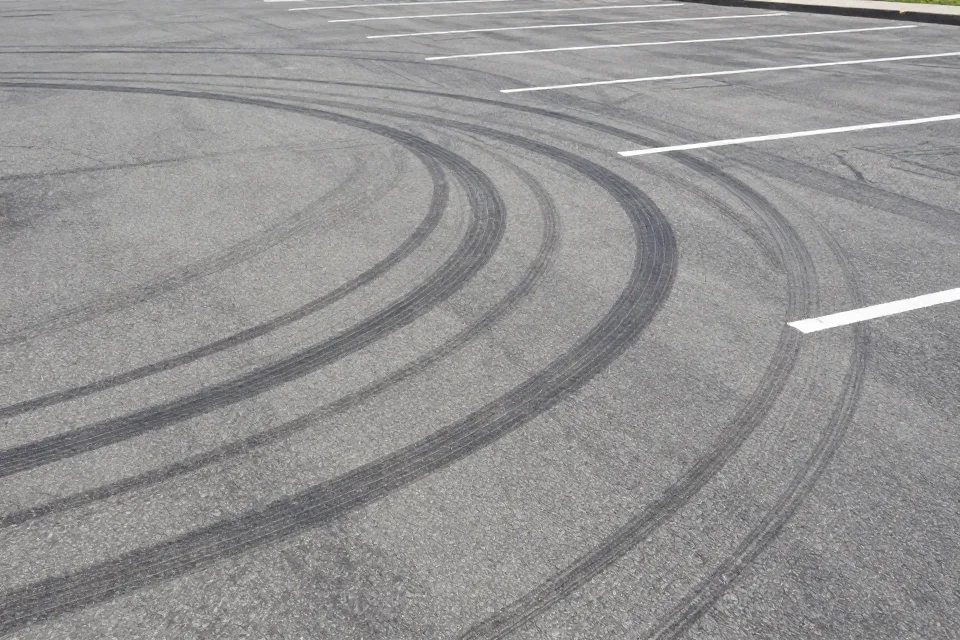
Tires that squeal while you turn through a parking lot or around a sharp corner are scrubbing sideways instead of rolling cleanly — and squealing is one of the symptoms shops list when describing cars that need an alignment check. Low pressure and hard acceleration can make tires squeal too, so weigh this sign with the others before assuming the worst.
Common Mistakes Drivers Make
Even careful drivers get tripped up by the same misunderstandings. Here are the ones we see most:
-
Blaming alignment for every pull. Low tire pressure causes pulls and edge wear too. Check the pressure before you spend money on an alignment.
-
Confusing alignment with balancing. Alignment fixes angles and tire wear; balancing fixes a wobble. You may need one, the other, or both.
-
Skipping rotation and blaming alignment. Rotation evens out normal wear. If the uneven wear survives rotation done on schedule, then suspect alignment.
-
Waiting for a dramatic symptom. Most alignment problems announce themselves quietly. A yearly check catches them before the tires are ruined.
-
Mounting new tires without checking alignment. Fresh tires inherit the old geometry. If the wheels were off, the new set starts wearing unevenly on day one.
-
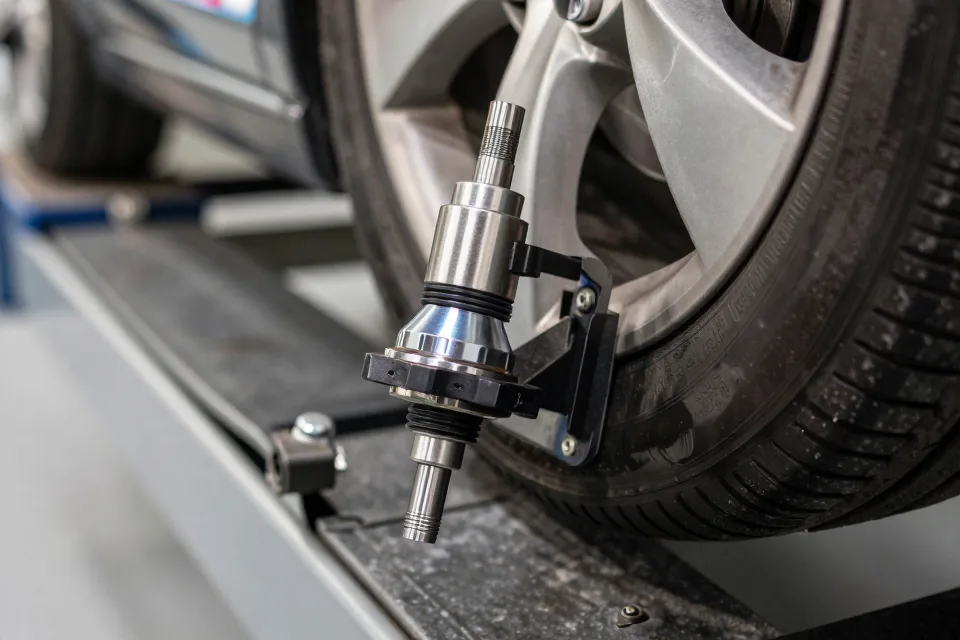
Trusting a visual guess. Alignment is measured with specialized equipment, not eyeballed. A proper shop measures every angle and compares it to your car's specifications.
How Often Should You Get an Alignment?
AAA recommends checking your wheel alignment about every 12,000 miles, or whenever you have the tires serviced. Some shops suggest a check every 6,000 miles, and AAA's own guidance also says to have the alignment looked at at least once a year. A typical alignment runs about $100 to $200, depending on the vehicle and the shop.
There are three moments when an alignment check is not optional — it is part of the job:
-
After installing new tires, so they start life rolling straight.
-
After a hard hit, such as a pothole, a curb, or any collision.
-
After suspension or steering work, since replacing parts changes the angles.
Your Wheel-Alignment Checklist
Keep this short list handy:
-
Check tire pressure once a month, and top up to the number on the door sticker.
-
Look at the tread monthly for edge wear, cupping, or low depth; run the penny test when it looks thin.
-
Watch for the six signs: pulling, a crooked wheel, uneven wear, vibration, loose steering, and squealing tires.
-
Schedule an alignment check about every 12,000 miles, or at least once a year.
-
Get an alignment after new tires, a hard pothole or curb hit, or suspension work.
-
If the car still pulls with correct tire pressure, ask the shop for a full inspection before any alignment.
Alignment is cheap insurance. It protects your tires, your fuel budget, and your control of the car — and the signs are almost always there before real damage is done.
This article is general information for everyday drivers and is not a substitute for your owner's manual or a qualified technician. See our full disclaimer.

Sources
- [authority] https://www.nhtsa.gov/vehicle-safety/tires