
The Most Useful Car Apps for Everyday Drivers
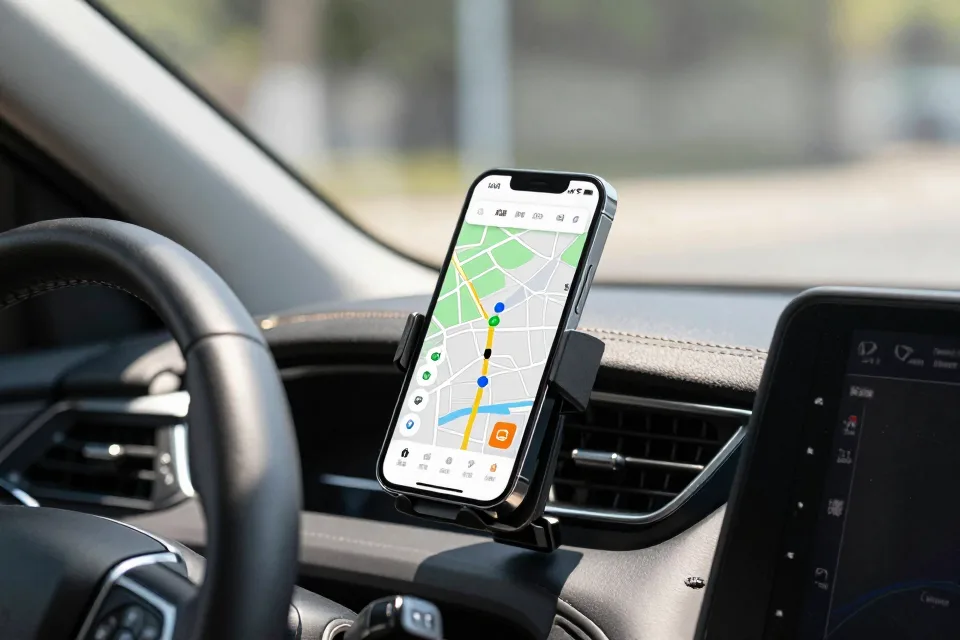
Your Phone Can Be Your Best Co-Pilot
You do not need forty car apps. You need a handful of good ones — free tools that watch for safety recalls, remind you about oil changes, find cheaper gas, guide you without making you fumble, and call for help when you are stuck. This article covers the apps worth keeping, the numbers behind them, and the mistakes that quietly undo their value.
One rule comes first: no app is worth your attention while the car is moving. Set everything up before you start the engine, and let your phone talk to you instead of asking you to look at it. Every recommendation below builds on that habit.
None of these apps requires a degree in technology. If you can tap an icon and follow a voice prompt, you have all the skill you need — and if an app ever feels more confusing than helpful, delete it. There are always simpler alternatives.
Start With the Free App That Tracks Recalls
Safety recalls are far more common than most drivers realize. In 2023 alone, there were 894 vehicle safety recalls in the United States. Over the past decade, NHTSA has overseen more than 17,000 recalls affecting over 750 million vehicles and pieces of equipment.
The problem is that a recall only protects you if you hear about it and get the work done. NHTSA reports that the weighted average completion rate for recalls initiated between 2012 and 2022 was 65.8 percent. Put another way, roughly one in three affected vehicles was never repaired.
That is where the free SaferCar app earns its place. Enter your vehicle once, and when NHTSA learns of a new safety recall for it, the app alerts your phone. Your vehicle information is stored on your device, not on NHTSA servers, and the app quietly checks for new recalls about once a day.
You can also check any vehicle at any time on the NHTSA website using its 17-digit VIN — the number on your registration card or insurance documents. That is especially smart before buying a used car. When a safety recall is issued, the manufacturer is required to fix the problem free of charge, so an open recall is a free repair waiting to happen, not a reason to shrug.
Some recalls carry urgent labels like 'do not drive' or 'park outside.' When a notice includes those words, take them seriously: the condition is serious enough that drivers are being warned to avoid the road until the fix is done. The app alert tells you exactly what to do next.
One App That Tracks Every Service Your Car Needs
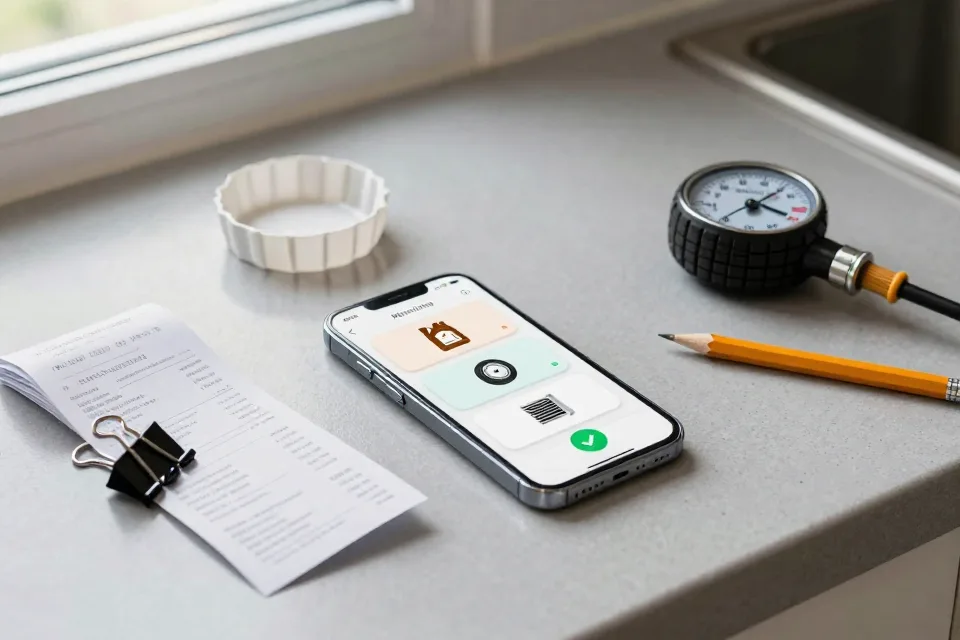
Glove-box receipts and paper logs have a way of disappearing. The Carfax Car Care app solves that. It is free, it runs on iPhones and Android phones, and it brings service reminders, repair-cost estimates, shop reviews, and recall alerts together in one place. It can track up to eight vehicles, which makes it practical for a two-car household or for keeping tabs on an older relative's car.
Enter your license plate or VIN once, and the app builds a maintenance log, often pulling in service records that participating shops and dealerships have already reported to Carfax. It reminds you when oil changes, tire rotations, filter changes, and inspections come due, and it can estimate what a repair should cost before you walk into a shop. It can also show an estimated value for your vehicle, which is handy when you are thinking about trading it in.
Why bother with any of this? Routine care is the cheapest repair you will ever buy. The non-profit Car Care Council calls regular oil changes the best investment you can make toward engine longevity, and it notes that more car fires happen every year from deferred maintenance than from accidents. One caution: an app reminder is a convenience, not the final word. Your owner's manual maintenance schedule is the authority.
Spend Less at the Pump Without Driving Out of Your Way
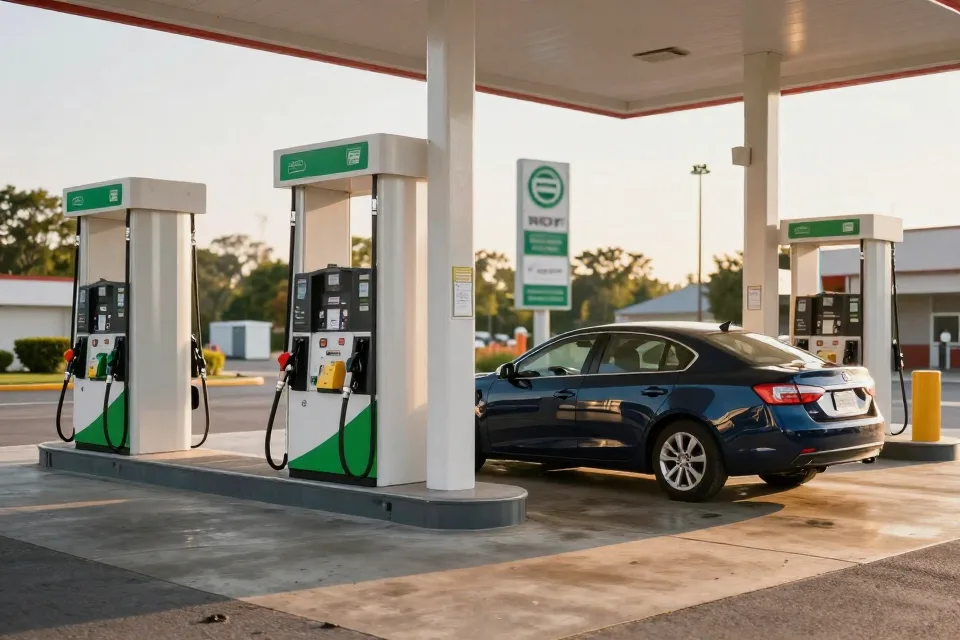
Gas prices can swing by twenty or thirty cents between neighboring stations, and apps exist to catch the difference. GasBuddy relies on drivers reporting the prices they actually pay, then lets you sort nearby stations by price, location, or amenities such as restrooms and restaurants. The company says its users have saved more than $3.1 billion over two decades of operation.
AAA publishes its own fuel-price data — national and state averages plus a trip-cost calculator — on its Gas Prices website, which works fine in a phone browser. If you belong to a warehouse club or a fuel rewards program, check that app too; the member discount can beat the cheapest price on the list.
The habits matter more than the app. Aggressive driving — hard acceleration and hard braking — can cut fuel economy by roughly 15 to 30 percent at highway speeds and 10 to 40 percent in stop-and-go traffic, according to the Department of Energy. Simply driving 5 to 10 mph slower on the highway improves fuel economy by 7 to 14 percent. Underinflated tires cost about 0.2 percent of your mileage for every 1 psi they sit below the recommended pressure across all four tires.
Do the math before chasing a bargain. If a station ten miles away saves you ten cents a gallon and your tank holds twelve gallons, you just saved $1.20 — while burning extra fuel to get there. Cheap gas only counts when the trip to the pump is short.
For a longer trip, the trip-cost calculators on AAA's gas site or at fueleconomy.gov turn distance, your car's mileage, and current pump prices into a realistic fuel budget before you leave. Knowing the number also keeps you from guessing at rest stops.
Navigation That Keeps Your Eyes on the Road
Built-in car navigation works, but it is only as current as the day the car was built. Phone apps update constantly. Google Maps is the reliable all-rounder most drivers already know, and Waze adds live reports from other drivers — accidents, road hazards, construction, even police presence — so you can adjust before you reach them.
Both apps work with Apple CarPlay and Android Auto, which project the app onto your car's screen and let you control it by voice. Kelley Blue Book notes that this setup reduces fumbling with your phone while driving, but adds that it is not perfectly safe, and drivers should avoid complex voice commands in heavy traffic or bad weather.
The stakes are real. NHTSA reports that 3,208 people died in distraction-affected crashes in 2024, and the FCC warns, citing NHTSA, that reading or sending a text takes your eyes off the road for about five seconds — long enough at 55 mph to cover the length of a football field without looking.
The fix is simple: type the address, choose the route, and start the app before you shift into gear. If you must change something mid-trip, pull over first. Save voice commands for simple things like 'call home' or 'next turn,' not for composing messages.
Before a long rural trip, download offline maps for the region on Wi-Fi at home, so navigation keeps working where cell service drops. Google Maps lets you save maps for offline use; it takes a minute and can be a lifesaver in the mountains.
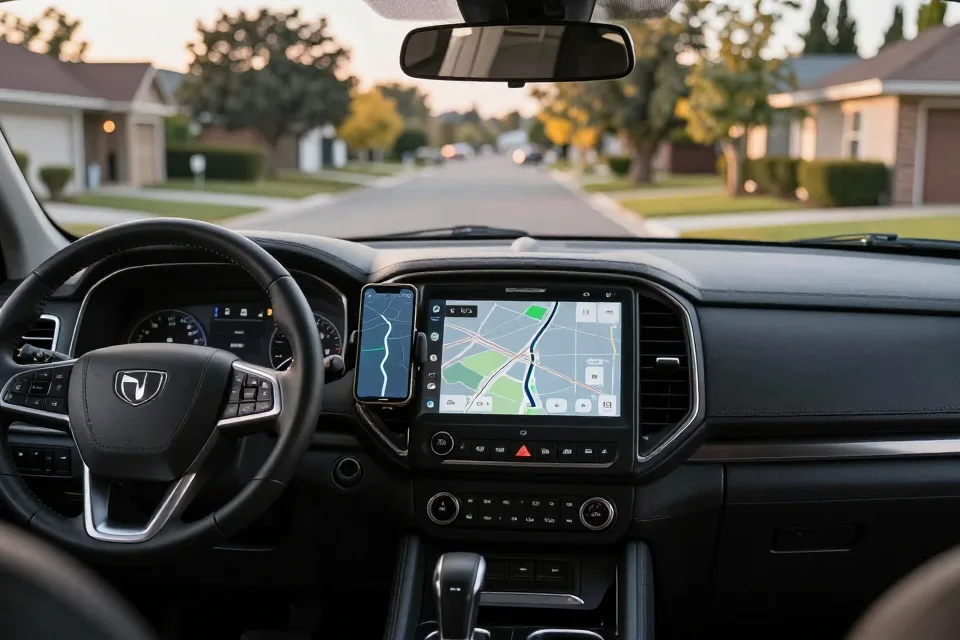
Keep an Eye on Your Tires — and Let the Car Help
Every car, truck, and SUV built for U.S. roads since September 1, 2007 — with a gross vehicle weight rating of 10,000 pounds or less — must have a tire pressure monitoring system, or TPMS. When a tire is significantly underinflated, a warning light on the dash tells you.
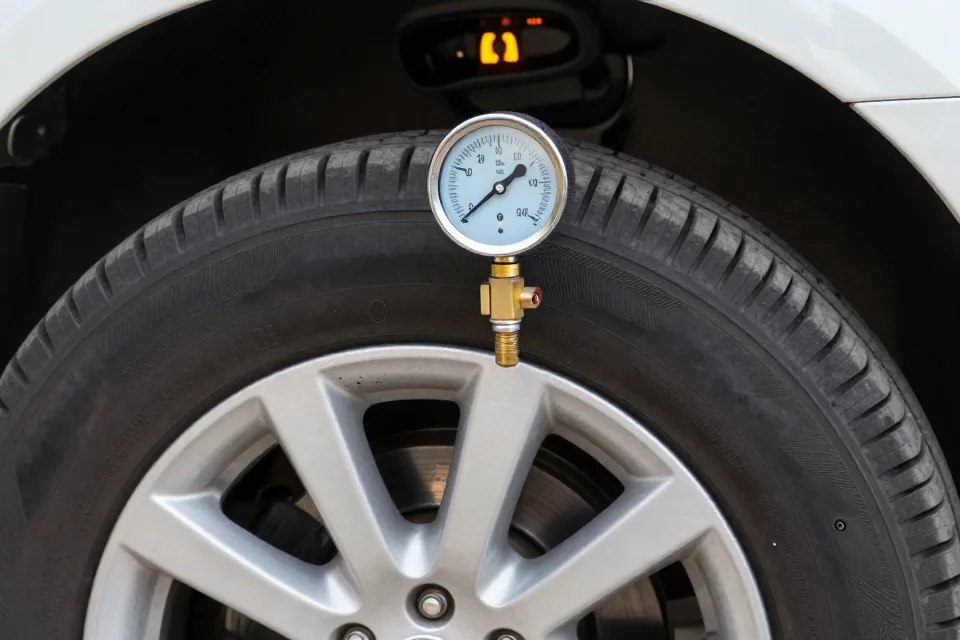
The light is a backstop, not a replacement for a gauge. Tires lose about 1 psi per month through normal air leakage, and roughly another 1 psi for every 10 degrees Fahrenheit the temperature drops. That is why the TPMS light so often appears on the first cold morning of fall. NHTSA recommends checking pressure when the tires are cold — meaning the car has not been driven for at least three hours — and inflating to the pressure on the driver's door sticker, not the maximum number molded into the tire sidewall.
The Car Care Council advises checking tire pressure at least once a month and before long trips, and more often in winter. Underinflation quietly costs you fuel economy — about 0.2 percent per psi — and it wears tires unevenly and dulls handling. A two-dollar gauge pays for itself quickly.
While you are at it, give each tire a quick visual once-over for bulges, cuts, or uneven wear, and check the spare as well. The Car Care Council's checklist includes the spare for a reason: it is usually the one tire nobody checks until it is needed.
Help When You're Stuck — Download It Before You Need It
Nobody plans a breakdown, but the app you install when the car is fine is the one that works when it is not. The AAA mobile app lets members request roadside assistance, watch the service vehicle approach on a map, show a digital membership card, and check gas prices and member discounts. Roadside service runs 24 hours a day, seven days a week, and a standard membership includes up to four service calls a year.
If you are not a AAA member, check whether your auto insurer's app offers roadside dispatch — many do, and the claim starts from the same app. Whichever service you use, open the app once while you are parked at home to confirm your vehicle, location permissions, and membership details are correct. The shoulder of the highway is the wrong place to learn how the app works.
Keep the paper number as a backup. AAA's roadside line is 800-222-4357 (800-AAA-HELP), and it works even if your phone battery does not. Apps are wonderful; a number you know by heart is better.
Your Automaker's App: Worth a Look
Most automakers offer a free basic app for owners. Depending on the brand, it can remotely lock and unlock the doors, show the maintenance schedule, remind you about service, and carry a digital owner's manual. Cars.com notes that the basic owner apps are free, while extras such as remote start or connected services often require a paid subscription — so read the fine print before you sign up.
A digital owner's manual alone is worth the download. It puts fluid types, correct tire pressures, and warning-light meanings in your pocket, searchable whenever you are parked and wondering what that light means.
The apps in this article are the ones that appear again and again in roundups from Edmunds, Kelley Blue Book, and other automotive sites. They are free or inexpensive, they run on both major phone platforms, and they earn their place by doing one job well.
Common Mistakes Drivers Make With Car Apps
Here are the habits that undo the good these apps can do — worth reading even if you already have the apps installed.
-
Programming the navigation while driving. Every second your eyes leave the road is a risk. Set the route before you leave, and pull over for changes.
-
Chasing pennies of gas. A long detour to save a few cents a gallon usually burns more fuel than it saves. Do the arithmetic before you drive.
-
Treating recall alerts as spam. A SaferCar notification is a free repair offer. A quick dealership visit can turn a hazard into a non-issue.
-
Trusting the reminder more than the manual. An app cannot know how you drive or where. The owner's manual schedule, plus common sense, decides when service is due.
-
Paying for features you will never use. Read the free tier first. Most of the apps above are free, and paid extras rarely matter for everyday driving.
-
Letting notifications drive you. A phone buzzing with messages turns a helpful app into a distraction. Turn on your phone's driving focus or do-not-disturb mode before you start the engine.
Your Car App Checklist
If you want to start fresh today, here is the short list:
-
NHTSA SaferCar: add your vehicle and confirm recall alerts are switched on.
-
Carfax Car Care: log your car, review its service history, and set reminders.
-
A gas-price app or your club's fuel app: check before filling up, and skip long detours.
-
One navigation app: destination set before you move, voice control only while driving.
-
Tires: know what your TPMS light means, and check pressure monthly with a gauge when tires are cold.
-
Roadside help: your club or insurer app installed, tested, and ready to request help.
-
Owner's manual: keep it handy — many automakers offer a digital version — and treat it as the final word.
-
Updates and permissions: keep apps updated, and uninstall anything that wants access it does not need.
Five minutes of setup can save you money, keep your car out of the shop, and turn a stressful trip into a smooth one. The apps are free. The payoff is not.
This article is general information for everyday drivers and is not a substitute for your owner's manual, your membership agreement, or professional service advice. See our full disclaimer.
Sources
- [authority] https://www.nhtsa.gov/campaign/safercar-app