
Odometer Fraud: How to Protect Yourself
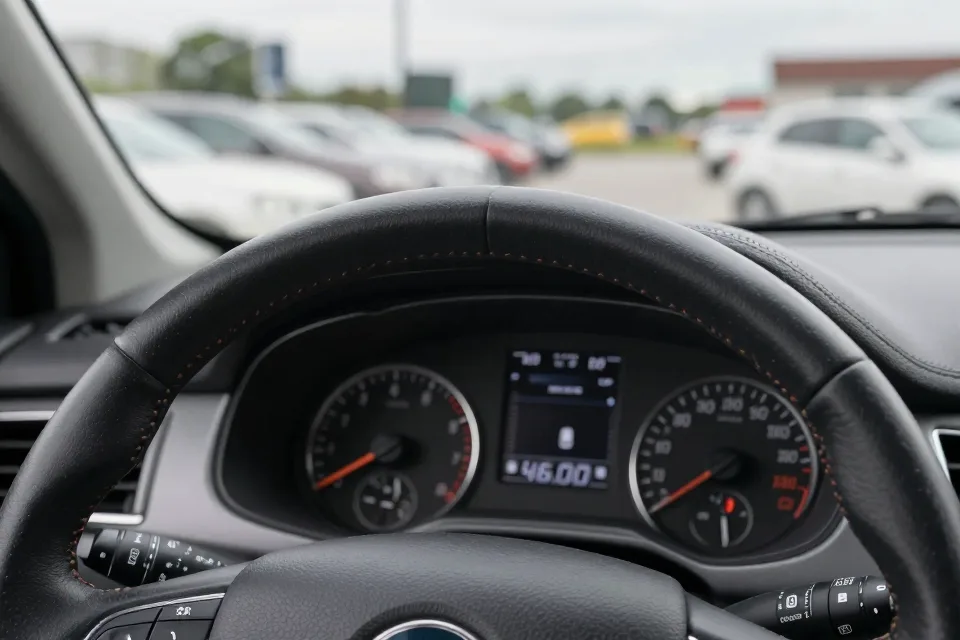
Every used-car shopper knows the feeling. You spot a listing that seems too good to pass up: a clean sedan, a fair price, and a dashboard that reads just 46,000 miles. The tires still have tread. The interior looks barely used. You sign the paperwork and drive home feeling like you won something.
Then, weeks later, a mechanic tilts his head at the odometer and asks a question that changes everything: "Did anyone tell you this car has actually traveled 146,000 miles?"
That moment happens far more often than most drivers realize. Federal regulators estimate that odometer fraud touches more than 450,000 vehicles a year, and one Carfax analysis found roughly 1.6 million cars with rolled-back odometers already on American roads.
The encouraging part is that this crime leaves a trail. With a little effort — reading the paperwork, looking at wear, asking the right questions — you can catch a rollback before you pay. And if you discover one after the sale, you have real options. This guide shows you both sides.
What Is Odometer Fraud, and Why Is It Still Happening?
Odometer fraud means tampering with a car's odometer so it shows fewer miles than the vehicle has actually traveled. In the trade it is sometimes called "clocking" or "busting miles." The motive is simple: a 2018 sedan with 45,000 miles is worth thousands more than the same car with 145,000 miles.
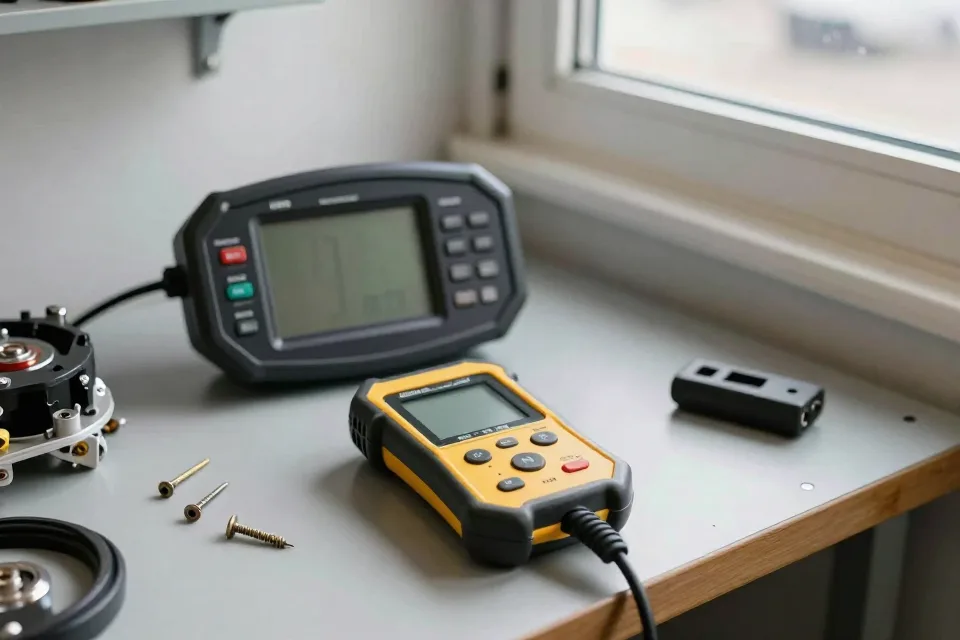
Decades ago, scammers had to pry open the dash and physically turn back mechanical gears, a job that often left visible damage. Most modern cars use digital odometers, and dishonest sellers now reprogram them with handheld tools and software made for the task. Customs agents have even seized "mileage blocker" devices at the border — electronics that freeze the odometer while the car keeps rolling — and federal regulators have made clear those devices break the law.
The numbers show the problem is not going away. Carfax reported a 7% year-over-year rise in rolled-back odometers in 2023. Because the tampering is electronic, your eyes alone may not catch it, which is why the paperwork matters more than ever.
The Law Is on Your Side
Tampering with an odometer is a federal crime. The rules live in Title 49 of the U.S. Code, Chapter 327, which forbids disconnecting, resetting, or altering an odometer, and also forbids selling a car when you know the reading is wrong.
The penalties are real. Violators can face civil penalties of up to $10,000 for each violation, and anyone who knowingly and willfully breaks the law can face criminal fines and up to three years in prison.
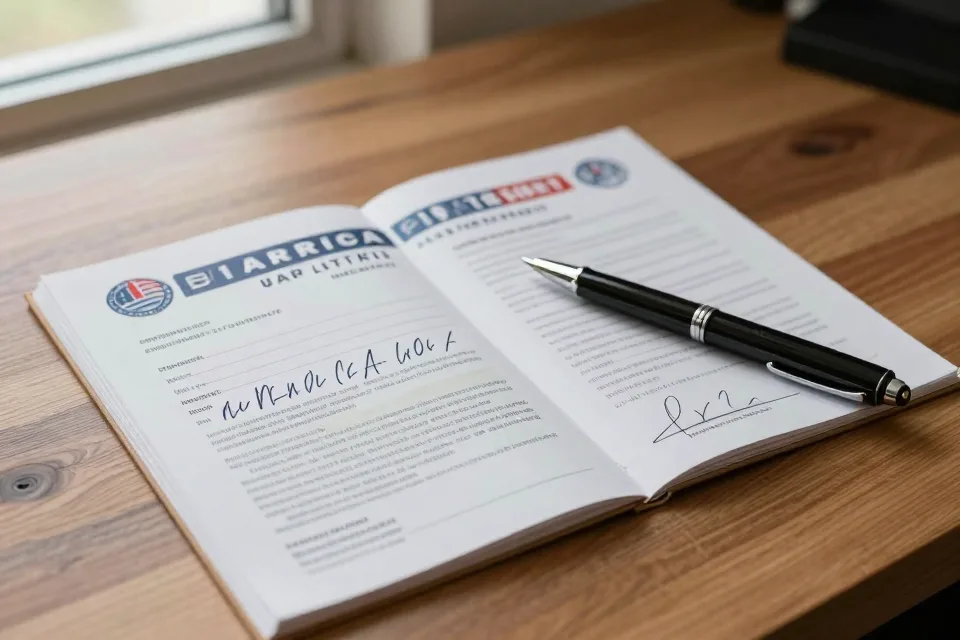
Sellers also have to put the mileage in writing. When a vehicle about 10 years old or less changes hands, federal law requires a written odometer disclosure as part of the title transfer. If the true mileage is unknown, the title should carry a "Not Actual Mileage" brand — a flag worth taking seriously on its own.
The scheme sometimes goes further. Crooks may "wash" a title by moving a car across state lines and re-titling it to hide a salvage, flood, or "not actual mileage" brand. Carfax research shows title washing is growing, so a clean-looking title from another state deserves the same scrutiny as the odometer itself.
Red Flags to Watch For
Nobody plans to buy a rolled-back car. It helps to know the warning signs before you get emotionally attached to a deal.
-
A price that looks too good. If the miles are low and the price is far below similar cars, ask why. Scammers price to move quickly.
-
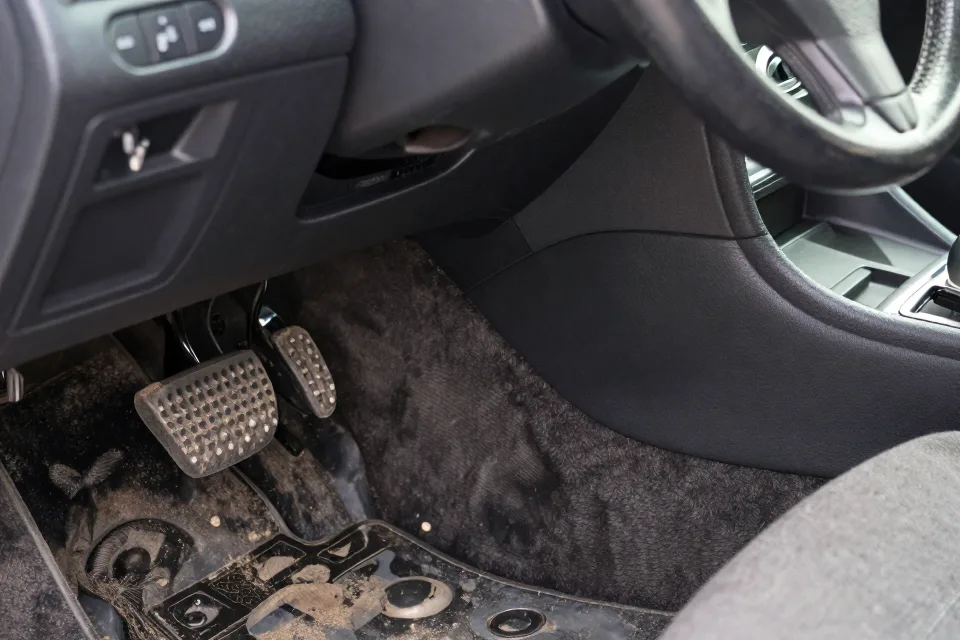
Wear that does not match the miles. Worn brake and gas pedals, a shiny steering wheel, a sagging driver's seat, or floor mats with holes on a "low-mileage" car all point to heavy use.
-
An odometer that looks wrong. Crooked, misaligned, or unevenly spaced digits, blank spots in the display, or fresh scratches around the cluster are classic tampering clues.
-
A suspicious title. "Not Actual Mileage," "Exceeds Mechanical Limits," or any rebuilt or salvage brand is a warning. So is an out-of-state title on a car that seems too young to have wandered.
-
A seller who cannot show records. No history report, no service records, no clear answers about previous owners — treat the gap as a red flag, not a detail to shrug off.
Five Steps to Verify the Mileage
Step one: run a vehicle history report before you negotiate. Get the VIN and check services such as Carfax or AutoCheck. They compile mileage readings from title transfers, emissions tests, and service visits, and they flag readings that do not line up. The report costs far less than the money you can lose on a rollback.
Step two: compare the odometer to the paper trail. Oil-change stickers, service receipts, state inspection and emissions records, and registration renewals all record mileage. A single document that contradicts the odometer is reason to stop and dig.
Step three: read the title and every odometer disclosure you can find. Each ownership transfer requires a signed mileage statement, and the title itself carries brands. Ask the seller for the previous title and any disclosure forms if they are available.
Step four: look at the things that wear. Pedals, steering wheel, seats, carpet, door handles, and even the condition of the brake rotors tell you how hard a car has lived. Compare what you see with the number on the dash.
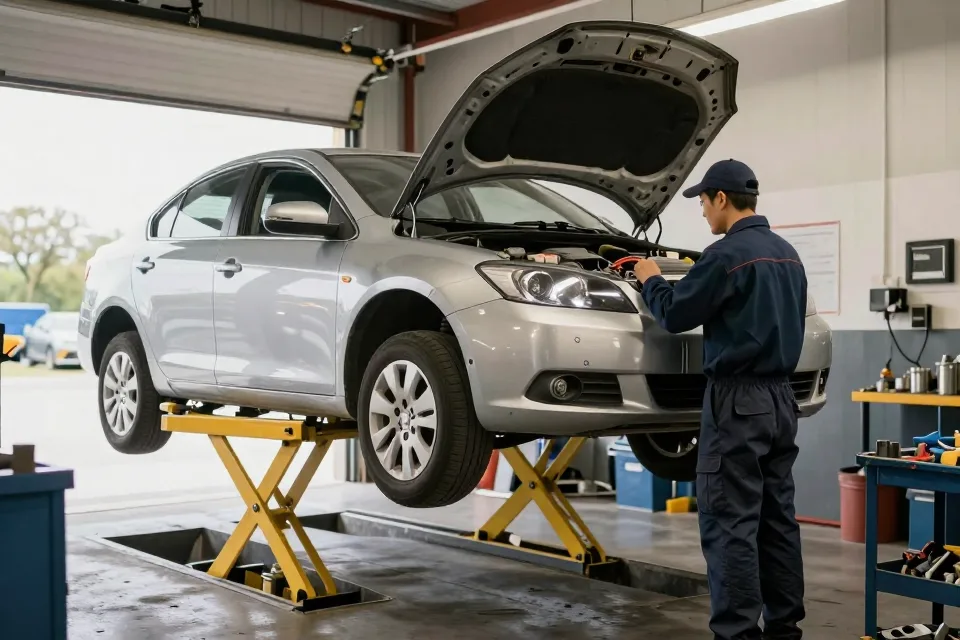
Step five: pay an independent mechanic for a pre-purchase inspection. A good technician can spot signs of heavy use, check for odometer tampering, and review the car's condition away from a seller's influence. It is the single best money you can spend before a used-car purchase.
Common Mistakes Buyers Make
Even careful shoppers slip up. Here are the missteps we see most often, so you can avoid them.
-
Skipping the history report to save a few dollars. A $30 or $40 report can prevent a several-thousand-dollar mistake. Do not skip it.
-
Trusting the listing photo. A polished photo hides a lot. You cannot verify mileage from a screen.
-
Ignoring the fine print on the title. Buyers focus on the price line and miss the brands and disclosures printed right next to it.
-
Assuming a digital dashboard cannot be tampered with. Digital odometers are exactly what the scammers target now.
-
Judging mileage by the smell of the interior. Heavy cleaner and new floor mats are sometimes used to mask the look and scent of a hard-used car.
-
Buying sight unseen. Out-of-state deals and online auctions with no inspection are where rollback cases cluster.
-
Not reporting suspected fraud. When buyers stay quiet, the same seller keeps the scam running. A report protects the next shopper.
What to Do If You Suspect Fraud
If you find a red flag before buying, the simplest answer is to walk away — or renegotiate based on the car's real value. A mechanic's inspection and a history report give you the evidence to make that case.
If you already own the car and believe the odometer was rolled back, act quickly and keep records. Save the listing, the texts and emails, the signed odometer disclosure, the title, and the repair orders. Then report it:
-
NHTSA. Call the Vehicle Safety Hotline at 1-888-327-4236, Monday through Friday, 8 a.m. to 8 p.m. Eastern time, or file a complaint at nhtsa.gov.
-
Your state DMV. Odometer tampering is also illegal under state law, and motor vehicle departments investigate title and mileage fraud.
-
Your state attorney general. Consumer protection offices handle odometer fraud complaints and often coordinate with law enforcement.
-
The FTC. File a complaint at ReportFraud.ftc.gov, which shares reports with federal and state agencies.
Enforcement happens. Federal prosecutors regularly bring odometer cases — one Ohio dealership owner pleaded guilty to altering odometers on hundreds of cars. Your documentation is what turns a suspicion into an investigation.
Your Final Checklist
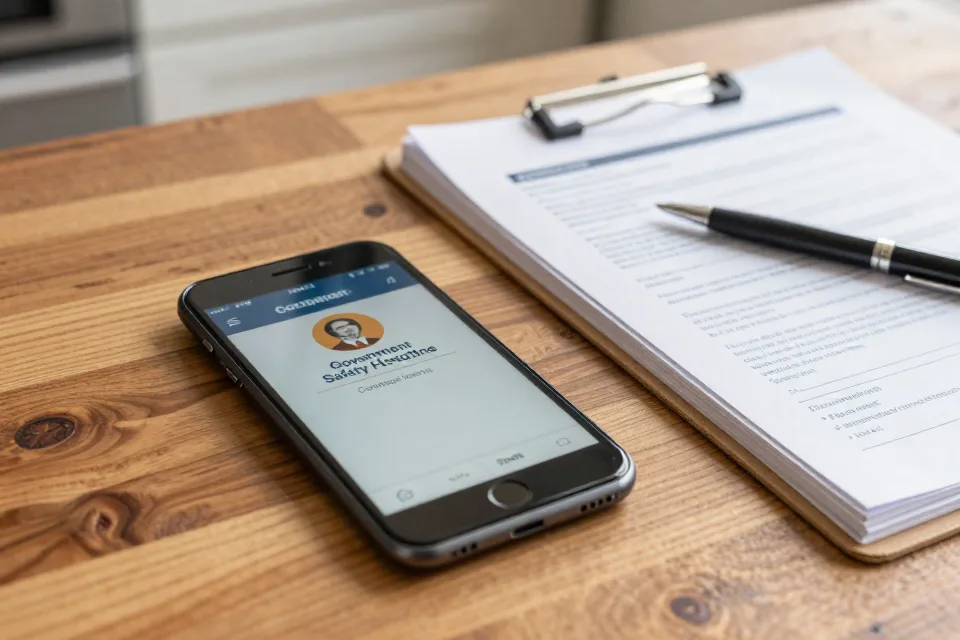
Run through this list before you hand over any money on a used car:
-
I have the VIN and ran a vehicle history report.
-
I read the title and every odometer disclosure statement.
-
The odometer reading matches service, inspection, and registration records.
-
Pedals, steering wheel, seats, and floor mats match the mileage.
-
The odometer digits look straight and clean.
-
The title has no "Not Actual Mileage," salvage, or rebuilt brand.
-
An independent mechanic completed a pre-purchase inspection.
-
I reported the deal to NHTSA or the FTC if anything looked wrong.
Odometer fraud is one of the oldest tricks in the used-car business, and digital dashboards have not ended it — they have just moved it behind a screen. The defenses are simple: read the paperwork, check the wear, pay for an inspection, and trust your instincts when a deal feels too good.
This article is for general information only and is not legal, financial, or mechanical advice. See our full disclaimer for details.
Sources
- [authority] https://www.nhtsa.gov/vehicle-safety/odometer-fraud