
Never Leave Kids or Pets in a Hot Car: The Facts
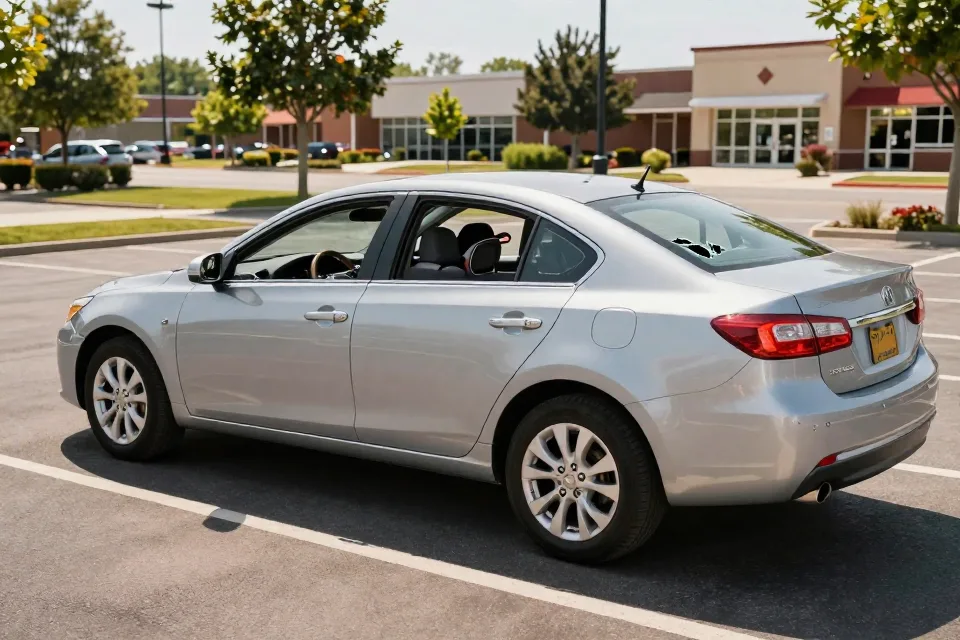
Picture this on a warm afternoon: you pull into a parking lot for what you swear will be a two-minute errand, and the back seat is quiet because your grandchild is asleep in the car seat. Two minutes is all the time a closed car needs to start working like an oven. Every summer, that miscalculation ends in tragedy.
This article gives you the plain facts: how fast a parked car heats up, what heat does to a small body, how these deaths actually happen, and the simple routines that stop them. It is written for grandparents, parents, and anyone who carries kids or pets. The people who lose a child in a hot car are rarely careless people. They are people who believed it could not happen to them.
A Parked Car Is an Oven on Wheels
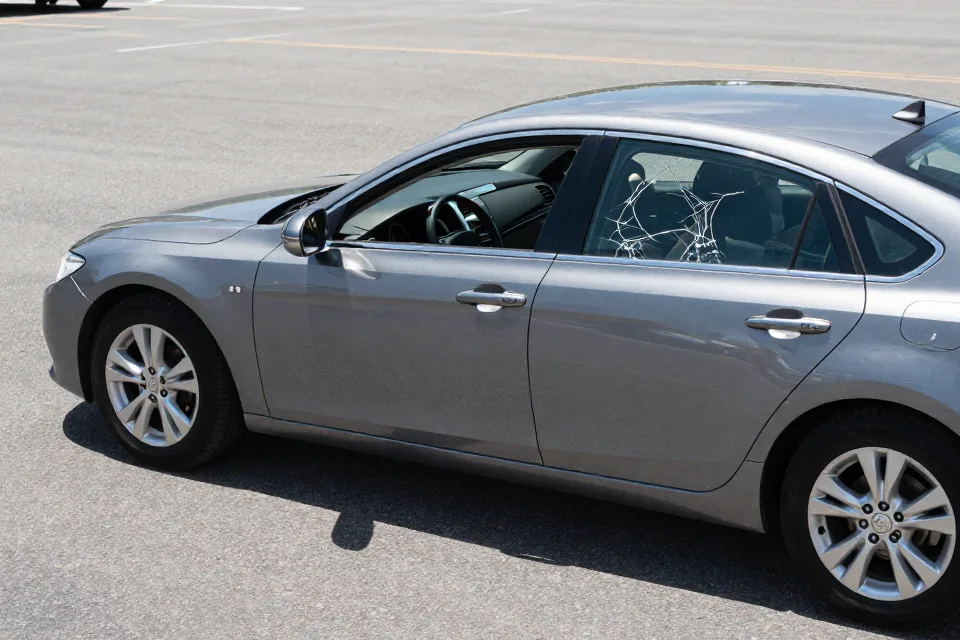
Sunlight pours through the windows, warms the seats and dashboard, and the glass traps that heat inside — the same greenhouse effect that bakes a closed car. The temperature climbs quickly, even on days that feel pleasant. AAA reports that the interior of a closed, parked car can heat up by about 20 degrees in just 10 minutes.
On an 80-degree day, the cabin can reach about 100 degrees in 10 minutes and roughly 123 degrees within an hour, according to AAA. Even on a mild 70-degree day, the inside of a parked car can climb past 115 degrees in about an hour. Comfortable outside, dangerous inside — that is the whole story in one line.
Cracking the windows a couple of inches barely slows the climb, and a shady spot helps only a little. NHTSA, the federal agency that tracks these deaths, puts it plainly: there is no safe way to leave a child alone in a parked car.
What Heat Does to a Child's Body
Children are not small adults when it comes to heat. NHTSA explains that a child's body temperature rises three to five times faster than an adult's. Young bodies absorb heat quickly and shed it slowly, so a temperature that merely makes an adult uncomfortable can turn deadly for a child.
Heatstroke begins when the body's core temperature reaches about 104 degrees Fahrenheit, and it can be fatal once the core hits roughly 107 degrees, according to NHTSA. It does not take a heat wave to get there. Heatstroke deaths have occurred on days when the outdoor temperature was only in the 60s.
Because the temperature rises in minutes, "just a quick stop" is a phrase that has no safe version. Every minute a child spends in a hot car matters.
The Numbers Behind Hot Car Deaths
The statistics matter because they puncture two myths: that this is rare, and that it only happens to neglectful parents. Neither is true.
| Statistic | What the data shows |
|---|---|
| Average toll | Roughly 38 children have died each year in the U.S. since 1998, per the National Safety Council |
| Recent years | 29 children died in 2023; 2024 was the deadliest year in more than two decades, NSC reports |
| Total since 1998 | More than 1,000 children, according to NHTSA |
| Where it happens | The majority of deaths occur at home, often in a driveway or parking area |
| How it happens | More than half of the time, a caregiver unknowingly forgets the child is in the vehicle |
Read that last row again. Most of these deaths are not about malice or neglect in the usual sense. They are about memory failure at the worst possible moment. That is why every safety group repeats the same warning: it can happen to anyone.

The Forgotten-Child Trap
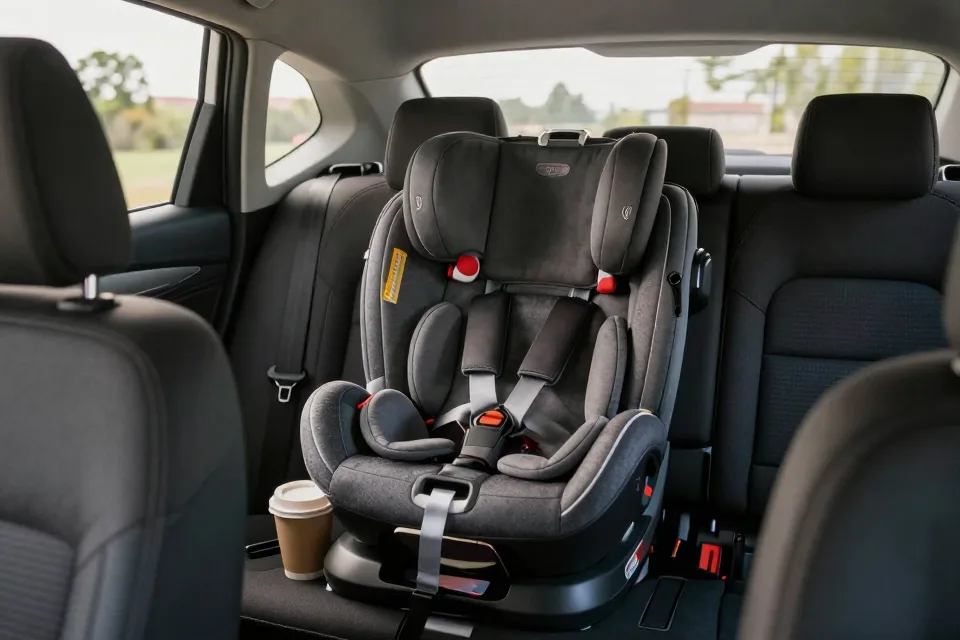
Researchers see the same scenario over and over. A driver is on autopilot, the child is quiet in the back seat, and a change in routine scrambles the plan. The parent who never drives the child on Tuesdays drives on a Tuesday. The child who usually stays home with a spouse comes along for errands. A tired brain fills in the blanks with the usual routine — and the car door closes without the child.
That is not a character flaw. It is how human memory behaves under habit, stress, and fatigue. The people who lose children this way include nurses, teachers, and engineers. Nobody is immune, and that is exactly why the fix has to be a mechanical habit, not a promise to be more careful.
Common Mistakes Even Careful Drivers Make
After years of watching these tragedies play out, the pattern is consistent. Guard against these specific mistakes:
| Mistake | Why it is dangerous | The fix |
|---|---|---|
| "I'll only be a minute" | The cabin heats up in minutes, even on mild days | Never leave a child or pet in a parked car, for any length of time |
| Cracking the windows for airflow | It barely slows the temperature climb | Take the child with you; windows change nothing |
| Trusting shade or tinted glass | Shade helps only slightly, and the cabin still gets dangerous | No parked-car exceptions, shade or no shade |
| Expecting a sleeping child to cry out | Overheating can silence a child before anyone notices | Open the back door and look every time you exit |
| Judging danger by how hot it feels outside | Fatal heatstroke has happened in 60-degree weather | Treat every parked car as a hazard all year |
| Relying on "it has never happened to me" | Most forgotten-child deaths follow a change in routine | Use the checklist below and make it automatic |
Pets Face the Same Danger
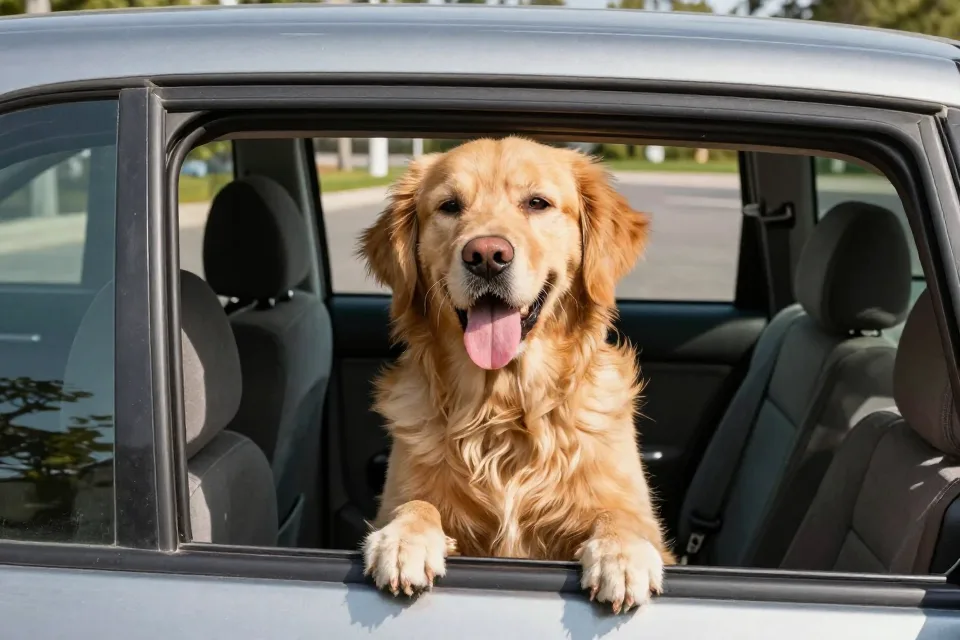
The rule that protects children also protects pets: never leave an animal alone in a parked car. The ASPCA is direct about this — not for a few minutes, not with the windows cracked, not in the shade. A car can turn deadly for a pet faster than most owners expect.
Dogs and cats shed heat far less efficiently than people. A dog's main cooling trick is panting, which barely works inside a hot, still car. In the time it takes to run a quick errand, a pet can move from uncomfortable to heatstroke. Heatstroke in a pet is a veterinary emergency, and by the time the signs are obvious the animal may already be in danger.
Signs of heat stress in a pet include heavy, rapid panting, drooling, weakness, and stumbling, according to the ASPCA. If you see these signs, move the pet to a cooler place, offer water, and call a veterinarian right away.
If you spot a pet alone in a hot car, note the vehicle's location and license plate and report it to local authorities or animal control. State rules on breaking a window to rescue a pet differ, so let trained responders make that call.
What the Law Says
Leaving a child alone in a car is not only dangerous; in many places it is illegal. Roughly 20 states have specific laws against leaving a child unattended in a vehicle, and the details differ from state to state, according to a Safe Kids Worldwide summary of state laws. Other states cover the situation through neglect or endangerment statutes.
Pets are protected by their own patchwork of rules, and Good Samaritan protections vary. In some states a bystander who breaks a window to rescue a child or pet is shielded from liability; in others the law is less clear. When in doubt, call 911 and stay with the vehicle.

What to Do If You See a Child Alone in a Car
You do not have to be a parent to save a life. NHTSA's guidance is simple: if you see a child alone in a vehicle, call 911 right away. If the child looks distressed — flushed, sweaty, weak, or unresponsive — do not wait for help to arrive. Get the child out and cool the child down.
Bystanders have saved lives by acting on the first impulse instead of the second thought. A child who is reached in time can recover completely. Every minute counts.
A Routine That Saves Lives
Safety experts keep coming back to the same handful of habits, and they all share one idea: make checking the back seat automatic, not optional. Adopt these and you close the gap where these tragedies live:
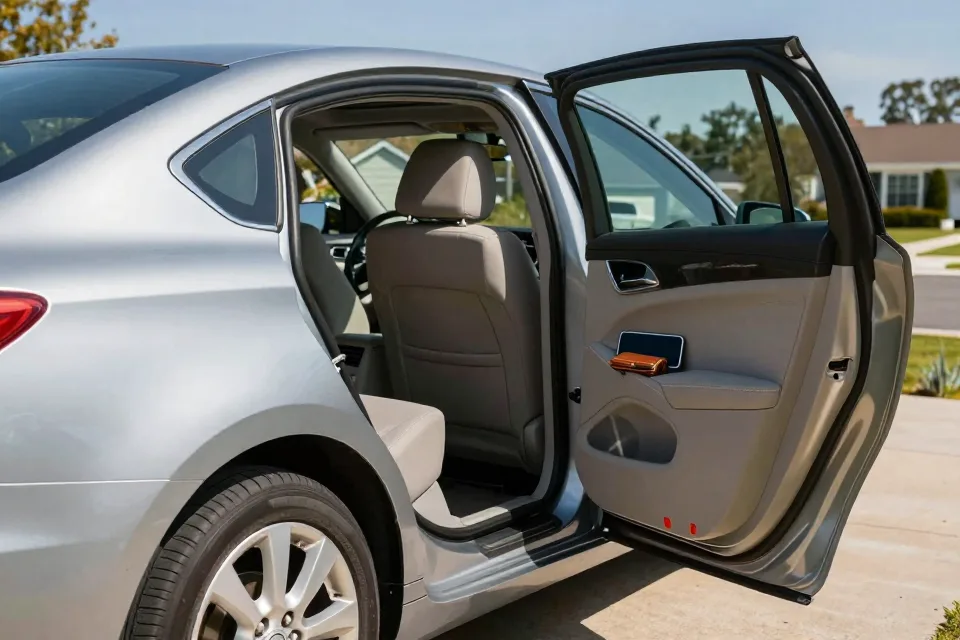
- Open the back door every time you exit the car, even when you are certain nobody is back there. NHTSA calls this habit "Stop. Look. Lock."
- Put something you cannot leave without — your phone, wallet, or briefcase — in the back seat beside the child
- Look in the back seat before you lock the doors and again before you walk away
- Never leave a child or pet in a parked car, at any temperature, for any reason
- When your routine changes — different driver, different drop-off, a day off from daycare — slow down and double-check
- Ask your child's daycare or school to call you if the child does not arrive as expected
- At home, get children and pets out of the car first, before you grab bags or groceries
None of these steps are complicated, and that is exactly the point. The disasters happen in the gap between "I know this" and "I checked this." Closing that gap takes about ten seconds per trip and costs nothing.
A hot car is the one place where "it will only take a minute" can cost everything. The good news is that these deaths are almost entirely preventable with a habit as simple as opening the back door. Make the check automatic, never leave kids or pets in a parked car, and speak up when you see a child or animal in danger. Ten seconds of your day can be the difference.
This article is general information for drivers and is not professional, medical, legal, or financial advice. For details on how we handle content on this site, please see our disclaimer.
Sources
- [authority] https://www.nhtsa.gov/campaign/heatstroke