
Extended Car Warranty Calls: How to Spot the Scam

The Call Everyone Gets
If you drive a car in the United States, you have probably heard the recording: a calm voice announcing an "important notice about your vehicle's warranty." It may be the most common phone scam in the country, and it targets drivers of every age. The voice is not from your carmaker, your dealership, or any government agency. It is a telemarketer — often operating illegally — hoping you will pay for coverage that may never fix anything.
The good news is that protecting yourself takes no special training. These calls follow a predictable script, and once you recognize it, they lose their power. Here is how the scam works, the warning signs to watch for, and what to do the next time your phone rings.
Why These Calls Are Everywhere
Extended-warranty robocalls have become part of American life. Call-blocking firm RoboKiller counted nearly 13 billion of them in 2021 alone, according to AARP. That flood of calls is exactly why the Federal Communications Commission (FCC) has made stopping illegal robocalls its top consumer protection priority.
The pitch is not new. Aggressive automated marketing for auto service contracts goes back to around 2007, when a company called US Fidelis flooded phone lines with recorded pitches, as The Drive has reported. Today the same offer reaches drivers through robocalls, late-night television ads, and direct mail, according to Edmunds.
The problem grew big enough that regulators stepped in. Federal agencies have ordered phone companies to block warranty robocalls at the network level, a move Kelley Blue Book covered under the headline "Those Extended Car Warranty Calls May Stop." The calls persist anyway, so the defenses have to start with you.
What the Scammers Are Really Selling
The first thing to understand: when a cold caller talks about an "extended warranty," they are almost never selling a warranty at all. A warranty is coverage that comes with a product. What these companies pitch is a service contract — a separate, paid promise to cover certain repairs, as the Federal Trade Commission (FTC) explains.
That difference matters. A service contract usually does not cover damage from accidents or normal wear and tear, and it only pays for what the fine print allows. The FTC warns that people who buy these contracts from robocallers often discover the coverage does not apply to the problems their car actually develops.
Real enforcement cases show how aggressive the pitch can be. In one action, the FTC charged American Vehicle Protection with making calls that pretended to come from car dealers and manufacturers and with falsely claiming its plans offered "bumper to bumper" protection. The operators agreed to a lifetime ban from telemarketing and a $6.6 million judgment. The FTC later returned more than $449,000 to 18,255 consumers harmed by the same operation.
The Script: What a Scam Call Sounds Like
Scam calls follow a script, and the words barely change from one call to the next. The FTC flags urgency lines such as "act now" and "your warranty is about to expire" as a hallmark of these pitches. The recording may tell you to press a number to extend coverage — or to press a different number to stop receiving notices.
Here is what makes the calls convincing: the caller may already know your car's year, make, and model, as the FCC notes. Scammers buy vehicle data, so hearing your own car described proves nothing about the caller's honesty.
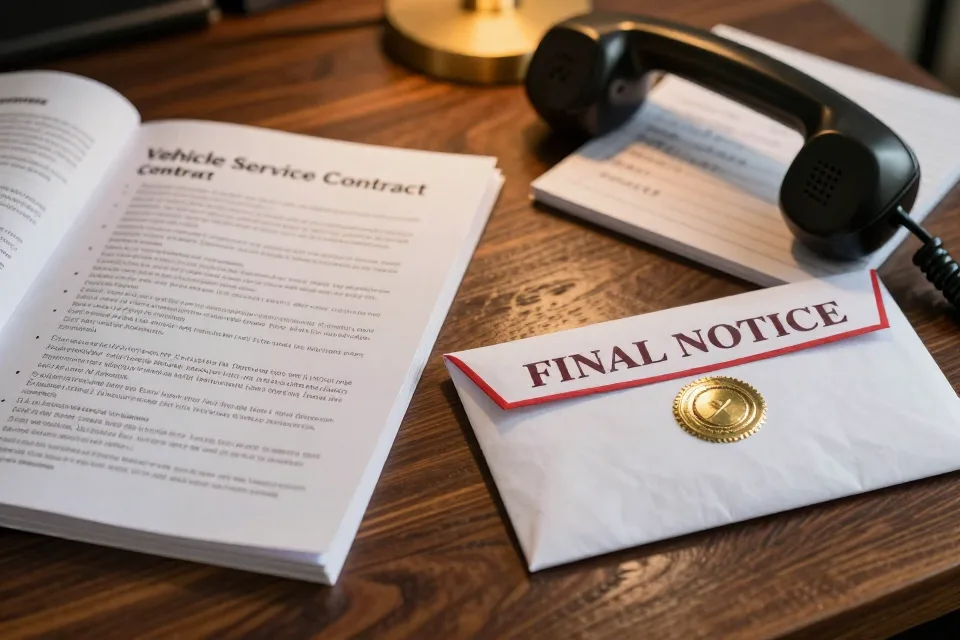
Some pitches never involve a phone call at all. Phony "final notice" mailers made to look like they came from your manufacturer or a state motor vehicle department are a common companion to the calls, according to Washington, D.C.'s Department of Insurance, Securities and Banking.
Red Flags: How to Spot the Scam
You do not need to listen long to identify a scam call. These signs are strong indicators:
-
A recorded voice or a "press 1" prompt instead of a real person who identifies themselves.
-
Caller ID that shows "unknown," "private," or a number that looks like your own. Legitimate telemarketers must transmit a real phone number and company name, per FCC rules.
-
Urgency. "Final notice" and "last chance" are pressure tactics, not facts.
-
A request for your credit card, bank account, Social Security number, or driver's license over the phone.
-
A promise of "bumper to bumper" coverage from a company you have never dealt with.
-
A refusal to send a written contract before taking your payment.
The FTC says unsolicited robocalls pitching extended warranties are illegal and likely scams. If a call shows any of these signs, hang up.
Common Mistakes That Put You at Risk
Even careful drivers make errors that keep the calls coming — or worse. Avoid these common ones:
-
Answering to "get taken off the list." Hanging up is the only reliable way to end the call. Pressing buttons or talking to a person tells the dialer your number is active, and the FTC warns that pressing keys to be removed can lead to more calls.
-
Saying "yes." If the caller asks "Can you hear me?" or "Is this the owner?", do not answer yes. A recorded "yes" can be used to claim you approved a purchase, regulators warn.
-
Trusting caller ID. Scammers fake the numbers that appear on your screen, a practice called spoofing.
-
Assuming the caller is legitimate because they know your car. Vehicle information is bought and sold; reciting your model year proves nothing.
-
Believing the Do Not Call Registry will stop scammers. The registry curbs most legitimate telemarketers, but criminals ignore it, as USA.gov explains. You still have to hang up and report.
-
Handing over a card to "hold" or "verify" the deal. A real company lets you read the contract before you pay.
What to Do When the Call Comes In
The next time an unknown number rings, run through this short list:
-
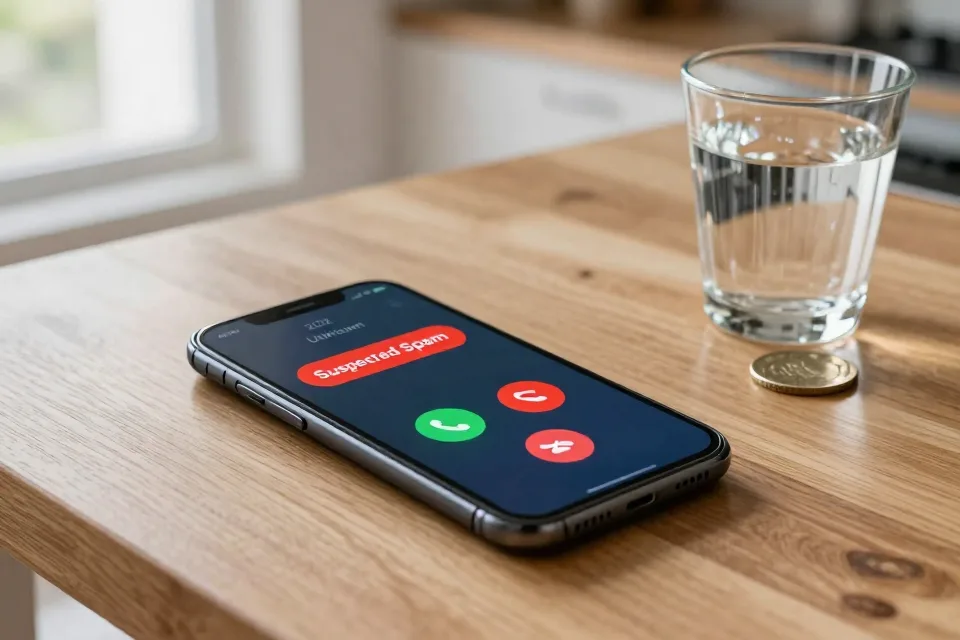
Let it go to voicemail. If you do not recognize the number, you are not required to answer. Scammers rarely leave a message that helps them.
-
If you answer and hear a recording, hang up immediately. Do not press 1, do not say "yes," do not ask questions.
-
Never share personal or financial information with a caller you did not contact, the FCC advises.
-
Block the number on your phone.
-
Use a call-blocking app or device; the FTC recommends them for cutting down unwanted robocalls.
-
Report the call — here is how.
How to Report the Calls
Reporting takes a few minutes, and it genuinely helps. Agencies use your reports to identify calling patterns and build enforcement cases.
-
Illegal robocalls: file at DoNotCall.gov. The FTC asks for the date and time, the number on caller ID, and any number the recording told you to call back.
-
Fraud or lost money: file at ReportFraud.ftc.gov, or call the FTC at 1-877-382-4357.
-
Do Not Call Registry: registration is free at DoNotCall.gov or by calling 1-888-382-1222.
-
FCC complaints: the FCC accepts complaints about unwanted calls and texts and uses them to guide enforcement.
-
State help: if you have a dispute with a service contract company, your state attorney general is a resource, per the FTC.
Do not skip reporting just because the caller ID number looks fake. The FTC says reports of spoofed numbers still help track the people behind the calls.
Before You Buy Any Extended Coverage
Sometimes the offer is real — a dealer or manufacturer selling genuine coverage. Even then, slow down. An extended warranty is an optional add-on, and its price can be negotiated when you buy the car, according to the Consumer Financial Protection Bureau (CFPB).
Before you sign anything, check whether the new coverage overlaps with the factory warranty you already have. Paying for coverage you already own is a waste, the CFPB warns.
If you do want protection, buy from a company you can verify: your carmaker, your dealer, or an established provider that will send a written contract you can read. The FTC cautions against buying from a telemarketer, because the company behind the contract might not be in business by the time you need it.
Consider the simplest alternative, too: the FTC notes that putting money into a savings account each month can cover many repair bills with no fine print attached.
Your Quick Checklist
Keep this list handy for the next warranty call:
-
Hang up on recordings. Do not press buttons, and do not say "yes."
-
Never share card numbers, bank details, or your Social Security number with a cold caller.
-
Treat urgency as a warning sign, not a reason to act.
-
Verify any company in writing before you pay.
-
Compare new coverage against your existing factory warranty.
-
Report every suspicious call at DoNotCall.gov.
The Bottom Line
Extended-warranty robocalls only work when someone picks up. Recognize the script, guard your information, and report the calls. That is how you keep the scam at arm's length — and keep your money where it belongs.
This article is for general information only and is not legal, financial, or automotive advice. For more, see our disclaimer.
Sources
- [authority] https://consumer.ftc.gov/consumer-alerts/2021/05/hang-auto-warranty-robocalls