
Driving Safely in National Parks and Mountain Roads
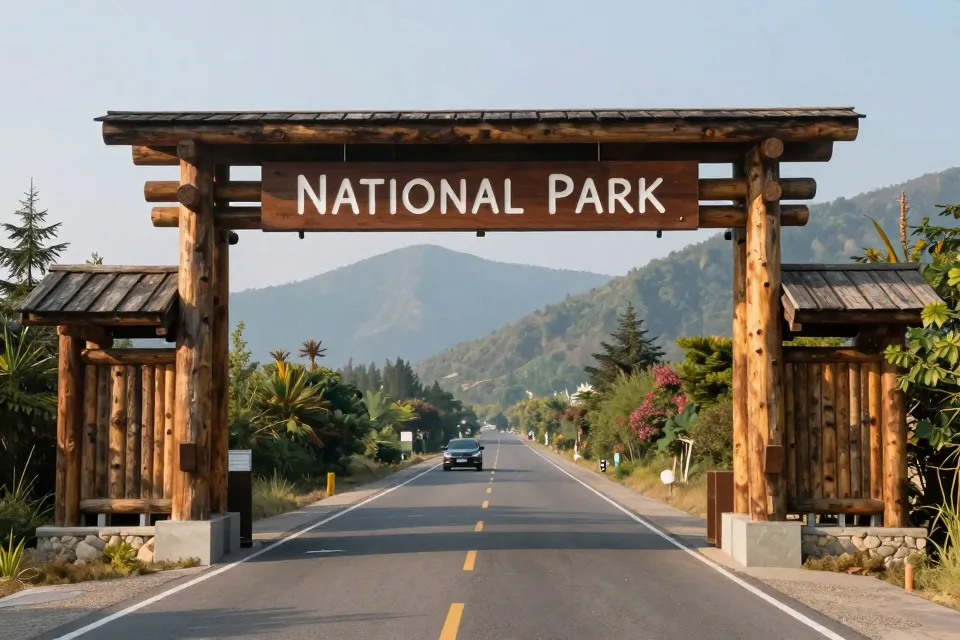
Every summer, millions of Americans trade the interstate for the winding roads of the national parks. The scenery is worth the drive — but only if you arrive ready for roads that climb, narrow, and curve in ways the highway never prepared you for.
This guide is written for drivers who remember when a road trip meant a paper map and a full tank. It covers the practical side of park driving: what to check before you leave, how to handle steep grades, how to share the road with wildlife, and the mistakes that turn a dream trip into a bad memory.
Why Park Roads Are Not Highways
Park roads look like ordinary two-lane roads, but they behave differently. They are narrower, the curves are tighter, and the pavement is shared with animals that do not read traffic signs. Speed limits are posted lower for a reason.
The stakes are real. Vehicle crashes are the top cause of accidental deaths in the parks, and on average one person dies in a crash on park roads every week — most often in daytime crashes during the busy summer months (https://www.nps.gov/articles/drivingsafety.htm).
In Yellowstone, the speed limit is 45 mph unless a sign says otherwise. That pace feels slow after hours of highway driving, but it is the difference between stopping in time and hitting a bison that weighs half a ton (https://www.nps.gov/yell/planyourvisit/safety.htm).
Two Things to Do Before You Leave Home
Buy your entrance pass online before you go. The America the Beautiful Annual Pass costs $80 for U.S. residents and covers everyone in your private vehicle at more than 2,000 federal recreation sites. If you are 62 or older, the Senior Annual Pass is $20 and the Senior Lifetime Pass is $80. Passes are now available in digital form through Recreation.gov (https://www.nps.gov/planyourvisit/passes.htm).
Then check the road conditions on the park's own website the day before you leave (https://www.nps.gov/seki/planyourvisit/road-conditions.htm). Mountain roads close for snow well into spring, and conditions can change several times a day. Park roads often require tire chains from fall through spring — and in California, every vehicle, four-wheel drive included, must carry chains when chain-control zones are posted (https://www.nps.gov/seki/planyourvisit/winter_driving.htm).
Know what your route involves. Trail Ridge Road in Rocky Mountain National Park is the country's highest continuous paved road — 48 miles one way, cresting at 12,183 feet — and it closes when snow returns (https://www.nps.gov/romo/planyourvisit/road_status.htm). A route that is open in June can be buried in October.
Get the Car and the Tank Ready
Mountains are hard on cars, so a little preparation beats a tow truck at 9,000 feet. Have the brakes inspected before a long trip — they do the hardest work on park roads — and check your tires, coolant, and oil.
Fill the tank before you enter the park. Gas stations inside parks can be few, and climbing hills uses fuel faster than flat miles. The City of Colorado Springs, which manages the road up Pikes Peak, recommends arriving with at least half a tank and budgeting about two hours for the round trip (https://coloradosprings.gov/pikes-peak-americas-mountain/page/mountain-driving-tips).
The slow pace of park driving is also the fuel-efficient pace. The U.S. Department of Energy estimates a vehicle gets about 27 percent fewer miles per gallon at 80 mph than at 60 mph, and the federal fuel-economy agency notes that mileage usually falls rapidly once you pass 50 mph (https://www.energy.gov/cmei/vehicles/articles/fotw-1240-may-30-2022-slow-down-save-fuel-fuel-economy-decreases-about-27) (https://www.fueleconomy.gov/feg/driveHabits.jsp).
If you are driving in winter or early spring, one more check: many rental-car contracts do not allow tire chains. Ask before you sign, and know what traction rules apply on the roads you plan to use (https://www.nps.gov/seki/planyourvisit/winter_driving.htm).
Going Down Is the Harder Half
The climb up a mountain pass is the scenic part. The descent is where the trouble starts, because gravity adds speed and the temptation is to hold the brake pedal down all the way.
Instead, downshift. On a long downhill grade, shift into a lower gear — often marked 2, 1, or L — and let the engine help slow the car. The engine will get louder; that is normal and harmless. Riding the brakes is the dangerous option: frequent braking on steep grades can overheat the brakes to the point of failure, and the National Park Service warns they can even catch fire (https://www.nps.gov/seki/planyourvisit/driving-mountain-roads.htm).
Professional truckers use the same technique, downshifting on long grades precisely so they do not burn out their brakes (https://www.thedrive.com/news/27774/watch-a-semi-truck-with-damaged-brakes-use-an-emergency-runaway-ramp). The runaway-truck ramps you see at the bottom of big hills exist because brake failure on a long downgrade is a real event, not a rumor.
Use your brakes in short, firm bursts to check your speed, then release them and let the engine hold the car back. On a wet or icy road, leave even more room between you and the car ahead (https://www.nps.gov/subjects/healthandsafety/winterdrivingsafety.htm) (https://www.edmunds.com/car-safety/driving-on-snow-and-ice-10-safety-tips.html).
Pull Over and Let Traffic Pass
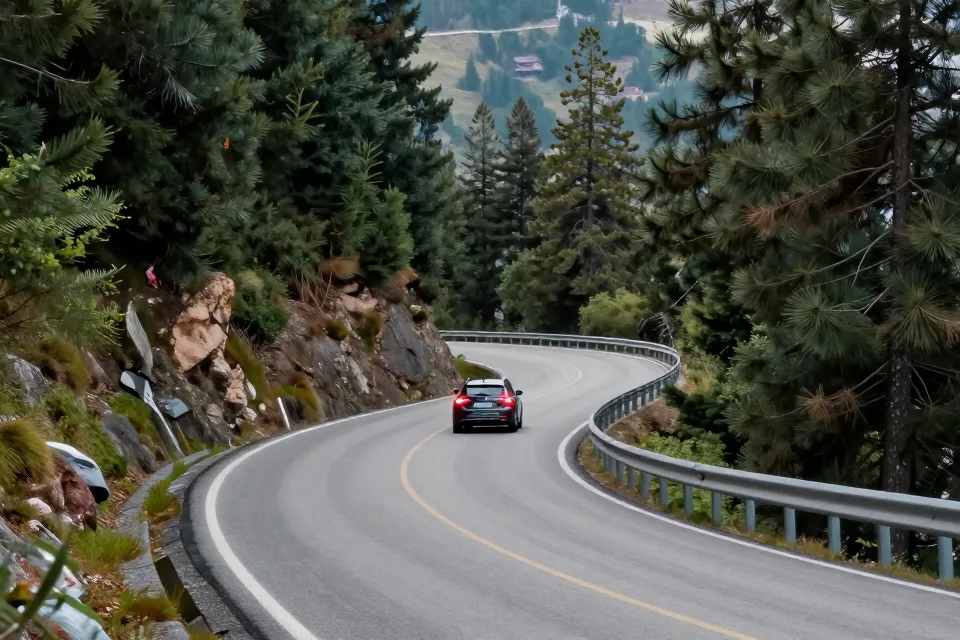
Park roads are shared by slow sightseers and drivers who know the route. If you are driving slowly, or stopping to enjoy the view, pull into a paved turnout and let faster traffic by.
It is more than courtesy. California law prohibits delaying five or more vehicles behind you on park roads, and the National Park Service asks drivers to use paved turnouts only — parked on grass, hot brake parts and a hot muffler can easily ignite dry vegetation (https://www.nps.gov/seki/planyourvisit/driving-mountain-roads.htm).
In the Great Smoky Mountains, the park service points out that pullouts appear roughly every mile on most roads, so there is no reason to hold up a line of cars (https://www.nps.gov/grsm/planyourvisit/trafficandtraveltips.htm).
Wildlife Has the Right of Way
In a national park, the animals own the road. Collisions are far more common than most drivers assume.
Insurance data for the 12 months ending June 2025 counts about 1.7 million animal-collision claims nationwide, more than 1.1 million of them involving deer. The average U.S. driver faces roughly 1-in-139 odds of an animal collision in a given year, and autumn is the peak: October through December accounts for about 41 percent of all animal-collision claims (https://newsroom.statefarm.com/new-state-farm-data-reveals-fewer-animal-collisions-but-autumn-months-remain-most-dangerous).
Federal research tells a similar story. Animal-vehicle collisions grew from just under 200,000 in 1990 to roughly 300,000 by 2004, with about 26,000 injuries a year. Collisions with deer usually end with damage rather than death; hitting a heavier animal such as a moose is a different, more serious matter (https://www.fhwa.dot.gov/publications/research/safety/08034/exec.cfm).
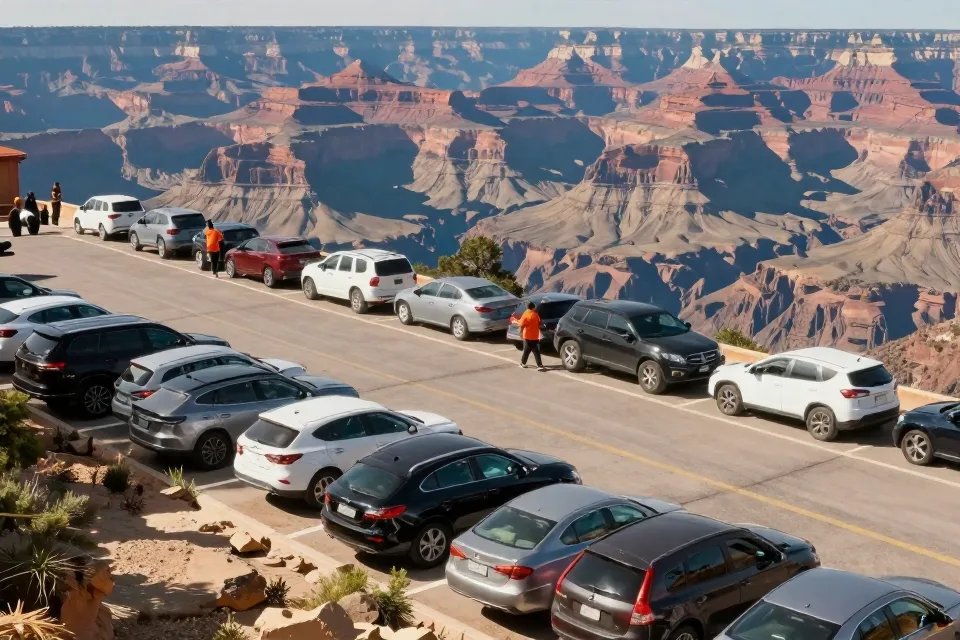
So drive as if an animal is waiting around the next curve — because one often is. Wildlife is most active around dawn, dusk, and after dark, and posted speed limits are part of the park's animal-protection strategy (https://www.nps.gov/grsm/planyourvisit/trafficandtraveltips.htm).
If Animals Block the Road
When wildlife plants itself in the road, everyone stops. In Yellowstone, a "bison jam" can hold up traffic for a while. The right response: stay in your vehicle, be patient, and do not honk or rev the engine to hurry the animal along. It will move when it is ready (https://www.nps.gov/yell/planyourvisit/safety.htm).
Never stop in the travel lane to watch or photograph. Pull completely off the road first, and keep your distance: stay at least a football field away (100 yards) from bears and wolves, and about 25 yards — two bus lengths — from most other wildlife. A few parks set their own distances, so check local rules (https://www.nps.gov/articles/000/idkt_lnt6.htm).
And resist the photo urge. The animal that looks calm can move faster than you can react, and every year people are hurt — or worse — by wildlife that seemed tame.
Bears Can Open Car Doors
Here is a fact that surprises many first-time visitors: bears can open car doors. In Great Smoky Mountains National Park, wildlife managers warn that black bears are surprisingly skilled at opening unlocked vehicle doors (https://www.nps.gov/grsm/learn/nature/black-bears.htm).
That is why the routine matters. Lock your doors and roll the windows all the way up, even for a short stop. Keep food, coolers, and anything scented out of sight — or out of the car altogether. A bear that learns cars hold food becomes a problem bear, and problem bears are often removed.
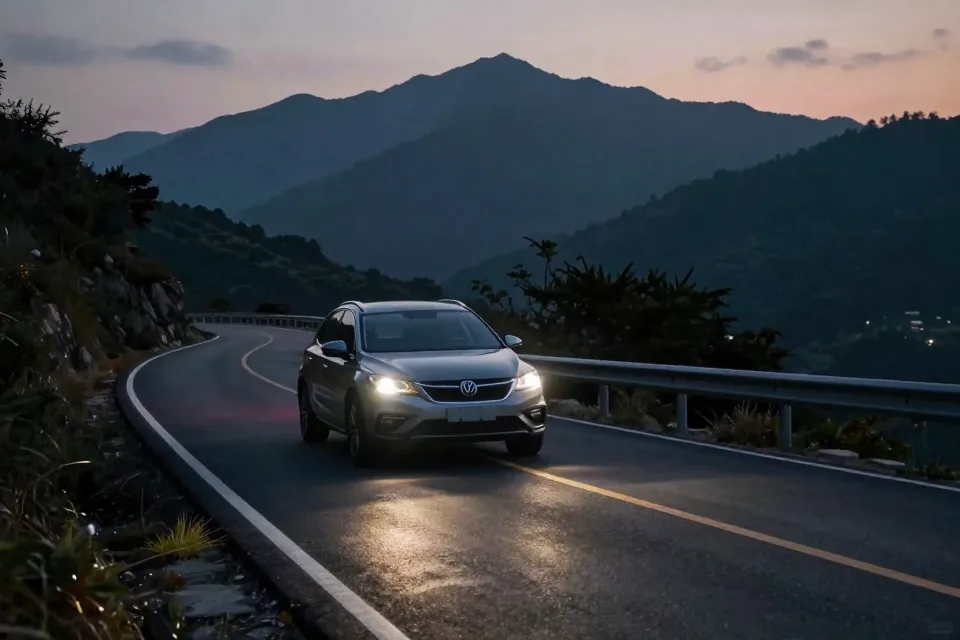
Should a bear approach or touch your vehicle, the park service advises honking and driving away slowly, then reporting the encounter as soon as you can (https://www.nps.gov/yell/planyourvisit/safety.htm).
Eyes on the Road, Please
The scenery is the point of the trip, but it is also the hazard. A glance at the ridgeline instead of the road is all it takes on a curve with no guardrail.
Distraction is a national problem: 3,308 people were killed in 2022 in crashes involving distracted drivers (https://www.nhtsa.gov/press-releases/2022-traffic-deaths-2023-early-estimates). In the parks, the same distraction meets sharper curves and heavier traffic.
The fix is simple. Pull over to admire the view, take photos from a turnout or overlook, and keep your phone in a holder or pocket. The mountain will still be there in five minutes.
Common Mistakes Drivers Make in Parks
After years of watching park traffic, here are the mistakes we see most often — and every one of them is avoidable:
- Riding the brakes all the way down a long grade instead of downshifting — the fastest route to overheated, fading brakes.
- Stopping in the travel lane to photograph wildlife, creating the jams that cause rear-end crashes.
- Getting out of the car for a "closer" photo of an elk or bison.
- Treating park miles like highway miles and rushing between viewpoints.
- Assuming four-wheel drive means tire chains are never needed in winter.
- Leaving food, coolers, or trash visible inside a parked car in bear country.
- Passing on a blind curve or switchback.
- Trusting the posted speed over the actual conditions — rain, ice, gravel, or a curve the sign did not warn about.
- Forgetting that mountain weather can change from sunny to snowy in one afternoon.
Your Pre-Trip Checklist
Save this list and run through it before you leave — and again at the park gate:
- Check road conditions, closures, and weather on the park's website.
- Buy your entrance pass online; download the NPS app for offline maps.
- Fill the tank before entering the park; keep it at least half full inside.
- Carry tire chains from fall through spring, and confirm your rental allows them.
- Have brakes, tires, coolant, and oil checked before a long trip.
- Downshift on long descents; brake in short bursts.
- Pull into turnouts so faster traffic can pass.
- Keep 100 yards from bears and wolves, 25 yards from other wildlife.
- Lock the car, roll up the windows, and hide anything with a scent.
- Watch for wildlife at dawn, dusk, and after dark.
- Put the phone away; pull over to enjoy the view.
The national parks reward the careful driver. Give yourself the extra time, keep the pace gentle, and the drive becomes part of the memory instead of the thing you survived.
This article is general information for drivers, not professional advice, and conditions in any park can change in a moment — always confirm with official sources, and please see our disclaimer for how we handle information on this site.
Sources
- [authority] https://www.nps.gov/articles/drivingsafety.htm