
Electric Cars for Beginners: Charging, Range, and Cost
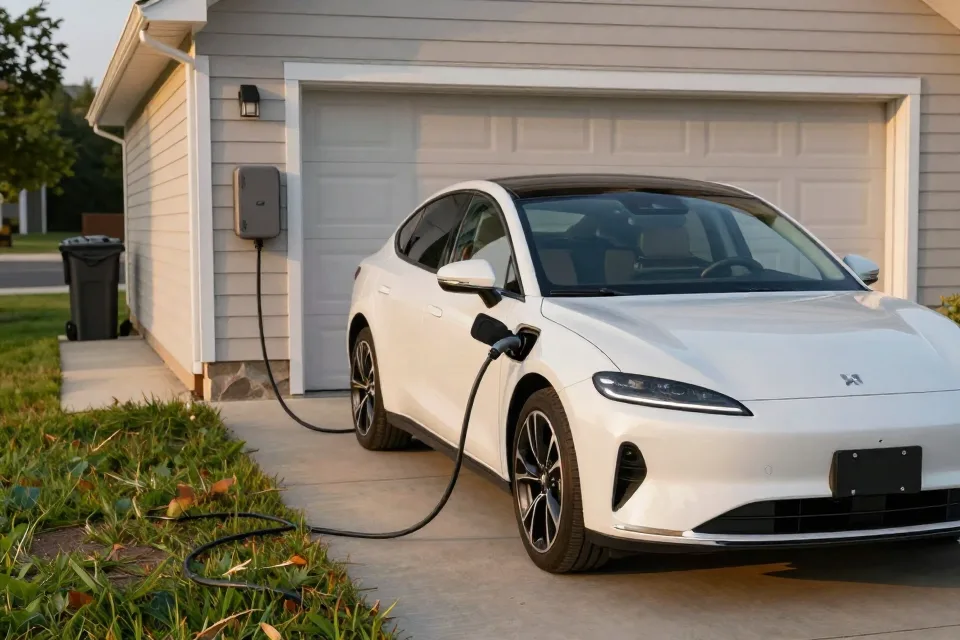
Every other car commercial these days seems to end with a plug instead of a pump. Electric vehicles are moving from the edges of the market into the mainstream, and plenty of drivers over 45 are asking the same honest questions: How far will one really go? Where do you plug it in, and how long does that take? Will it save money or quietly cost more? This guide answers those questions in plain language — the types of electric cars, the three ways to charge them, what the range sticker means, and what ownership really costs. If you can charge a phone and read an odometer, you already have most of the skills you need.
The Three Kinds of 'Electric' Cars
Not every 'electric' car on the lot is the same animal, and the difference shapes how you use the car every day.
Battery-electric vehicles (BEVs) run only on battery power. There is no gas engine, no tailpipe, and no fuel pump — you recharge by plugging in, the same way you would charge a phone, just bigger. Plug-in hybrids (PHEVs) carry a battery you can charge plus a small gas engine that takes over when the charge runs out, which makes them a common first step for nervous buyers. Traditional hybrids never plug in at all; they generate their own electricity from the gas engine and from braking.
Because electric cars don't burn fuel, their efficiency is described in miles per gallon equivalent (MPGe) and in kilowatt-hours per 100 miles. A kilowatt-hour (kWh) is simply the unit your electric bill is measured in, so think of the battery as a fuel tank sized in kWh. The U.S. Department of Energy notes that today's light-duty electric vehicles can exceed 130 MPGe depending on how they are driven.
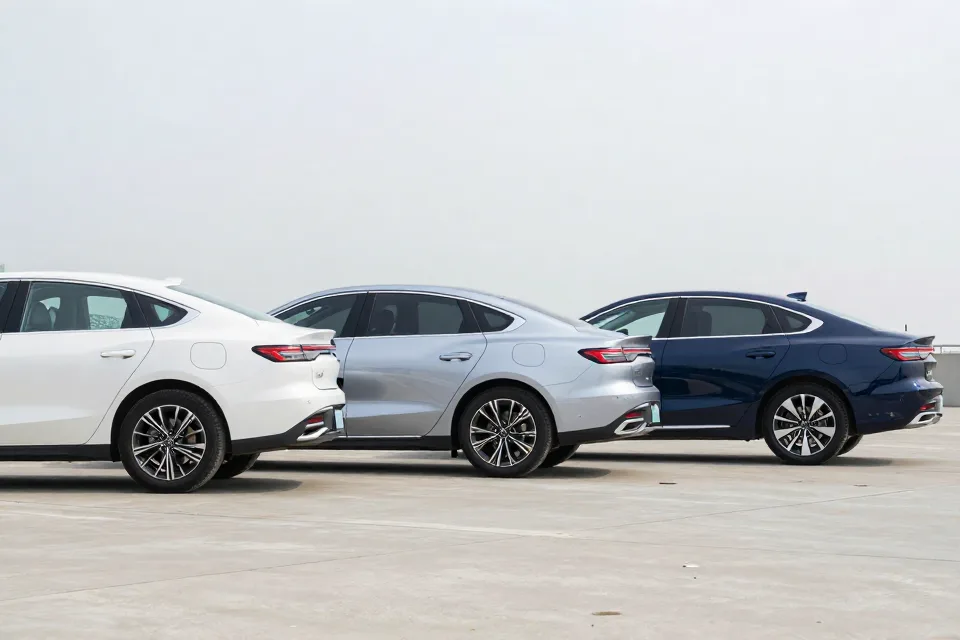
Range has grown quickly too. NHTSA observes that many current EVs can travel roughly 300 miles before recharging, and some models push past 400 miles — enough for a typical week of errands and most road trips.
How Charging Works: Level 1, Level 2, and DC Fast
Charging comes in three speeds, usually called levels. The level is set by the voltage and power of the outlet or station, and that determines how fast the battery refills.
Level 1 is the simplest: a standard 120-volt household outlet. It adds only a few miles of range per hour — typically 3 to 5 — and the U.S. Department of Transportation says refilling an all-electric car from empty to 80 percent this way can take 40 to 50 hours or more. It works for short commutes when you can plug in overnight, but it is slow.
Level 2 runs on 240 volts, the same circuit a clothes dryer uses, and adds roughly 25 miles of range per hour. The DOT says most all-electric cars can go from empty to 80 percent in about 4 to 10 hours at Level 2, and most plug-in hybrids in 1 to 2 hours. This is the level most home chargers use, and it is the one you want for daily driving.
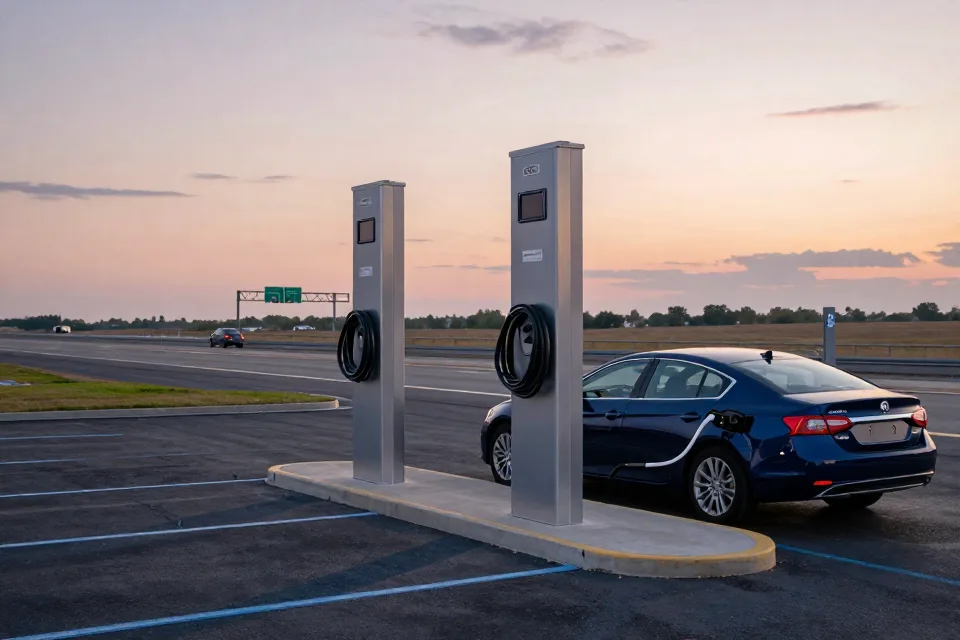
DC fast charging is the public-route option. These high-power stations, usually found along highways and at charging hubs, can add a meaningful charge in under an hour; for many models, going from 10 percent to 80 percent takes about half an hour. The trade-off is price: fast charging typically runs about three times the home electricity rate.
Here is the same story as a quick reference:
| Level | Where you'll find it | Typical speed | Best for |
|---|---|---|---|
| Level 1 (120V) | Any regular wall outlet | 3-5 miles of range per hour; 40-50+ hours to 80% | Overnight top-ups, short commutes |
| Level 2 (240V) | Garages, workplaces, public lots | About 25 miles per hour; 4-10 hours to 80% | Daily home charging |
| DC fast | Highway corridors, charging hubs | Under an hour; about 30 minutes for 10% to 80% on many EVs | Road trips and emergencies |
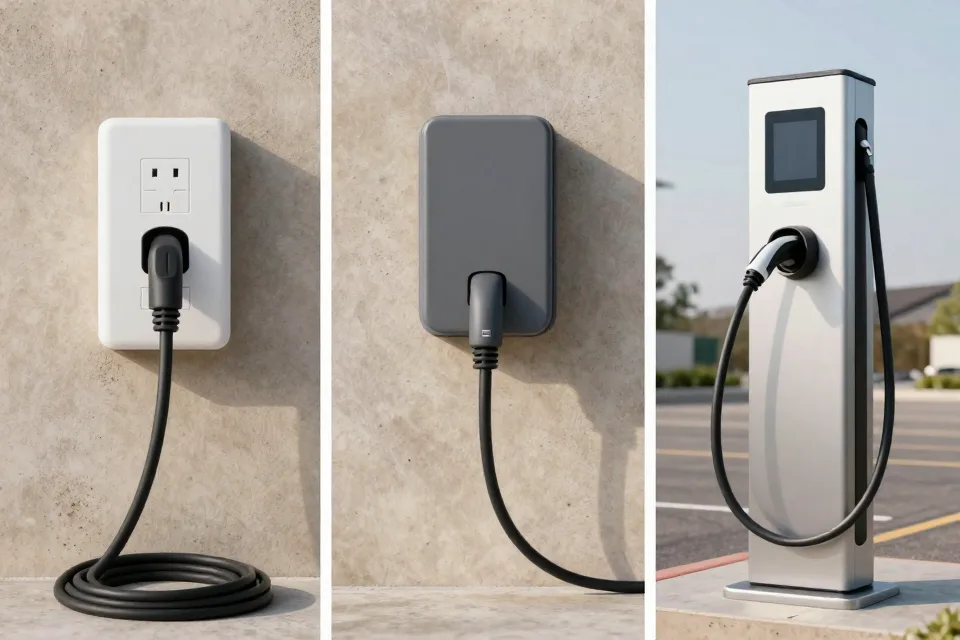
Home is where most charging actually happens. The Department of Energy reports that most owners do most of their charging at home, and public stations fill the gaps when you are away. As of 2023, about 80 percent of public charging ports in the U.S. were Level 2 and more than one in five were DC fast; the network has only grown since, passing 200,000 public ports in 2024 according to the Joint Office of Energy and Transportation.
One more detail worth knowing before you buy: plugs. Level 1 and Level 2 charging typically use a J1772 connector, while DC fast charging uses a different plug — CCS is common, and many newer cars use the North American Charging Standard. Your car usually comes with the cables it needs, but it is smart to check the connector type before you rely on a particular public station.
What the Range Sticker Really Means
Every new EV carries a range estimate on its window sticker, and it helps to know where that number comes from. The EPA sets the testing method; automakers run the specified procedures and report results, and the agency audits a sample of the data. The sticker number is a useful tool for comparing models, but treat it as a fair-weather, mixed-driving estimate rather than a promise.
Temperature is the biggest surprise for new owners. In AAA's testing, running the heater at 20 degrees Fahrenheit cut range by about 41 percent, and running the air conditioning at 95 degrees cut it by 17 percent. AAA's more recent research still finds EVs losing close to 40 percent of their range at 20 degrees. Cold weather, extreme heat, highway speeds, and heavy use of the heater all drain the battery faster than the sticker suggests.
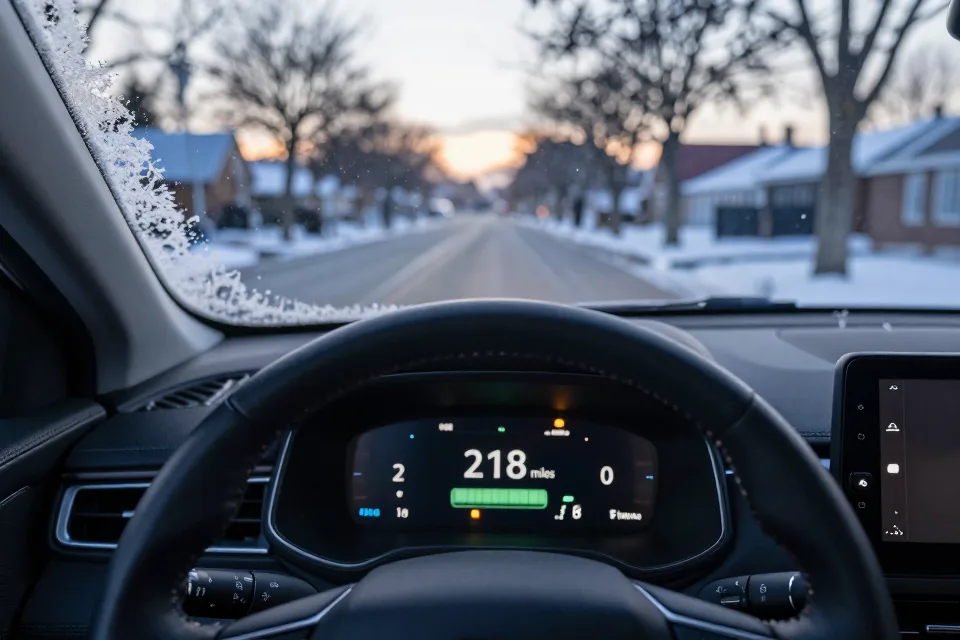
Charging speed also tapers off as the battery fills. Many owners treat 80 percent as the everyday top-up — routine charging beyond that is slower, and some automakers advise against charging to 100 percent for daily driving. Keep that habit, and use a full charge only when you are about to leave on a longer trip.
What an EV Really Costs
Cost breaks into a few buckets, and the math is friendlier than most people expect.
Fuel. A typical EV uses roughly 0.35 kilowatt-hours per mile, according to DOE figures compiled from EPA and fueleconomy.gov data. At the U.S. average residential rate of about 18 cents per kilowatt-hour, that works out to roughly 6 cents per mile when you charge at home. A comparable gas-powered sedan runs closer to 11 cents per mile, and trucks and SUVs cost more than that. Public fast charging is the expensive option — often about three times the home rate.
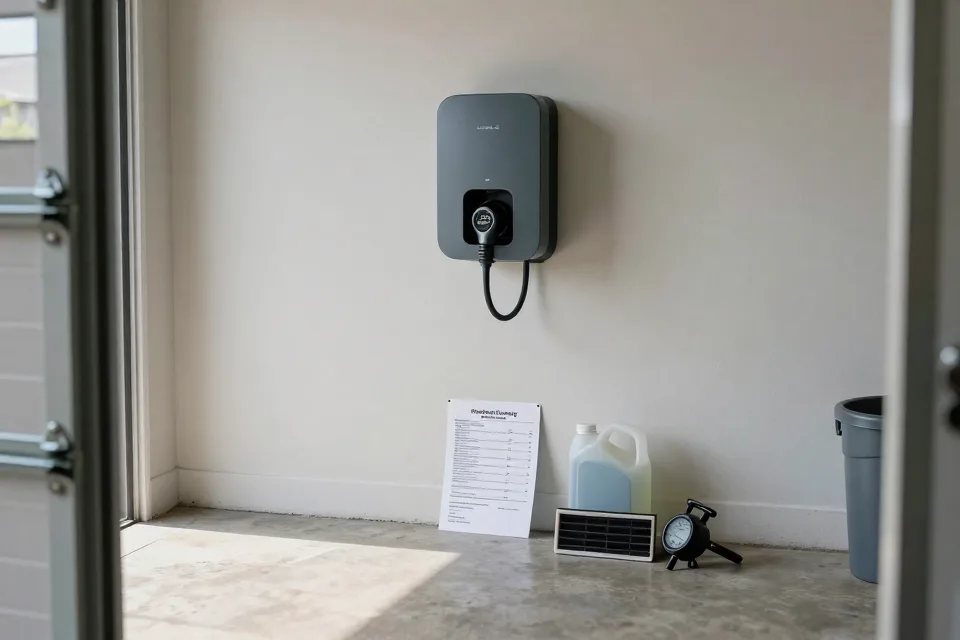
Home setup. If your garage lacks a 240-volt outlet, installing Level 2 charging typically costs roughly $1,600 to $2,000 or more, depending on your electrical panel and how far the wiring has to run.
Maintenance. There are no oil changes, fewer fluids, far fewer moving parts, and regenerative braking that extends brake life. A Consumer Reports analysis put lifetime maintenance and repair for an EV at about $4,600, compared with roughly $9,200 for a similar gas car.
Battery warranty. Several manufacturers offer 8-year/100,000-mile battery warranties, and DOE modeling suggests modern packs may hold up for 12 to 15 years where weather is mild, or 8 to 12 years in harsher regions. Replacing a battery is expensive, which is exactly why the warranty terms matter — read them before you sign.
Incentives. The federal Clean Vehicle Credit ended for vehicles acquired after September 30, 2025. State and utility incentives still exist in many areas, so it is worth searching the DOE's incentive database for your zip code rather than assuming the old credit still applies.
Everyday Life with an EV
If you have a place to plug in, an EV fits an ordinary routine without much fuss.
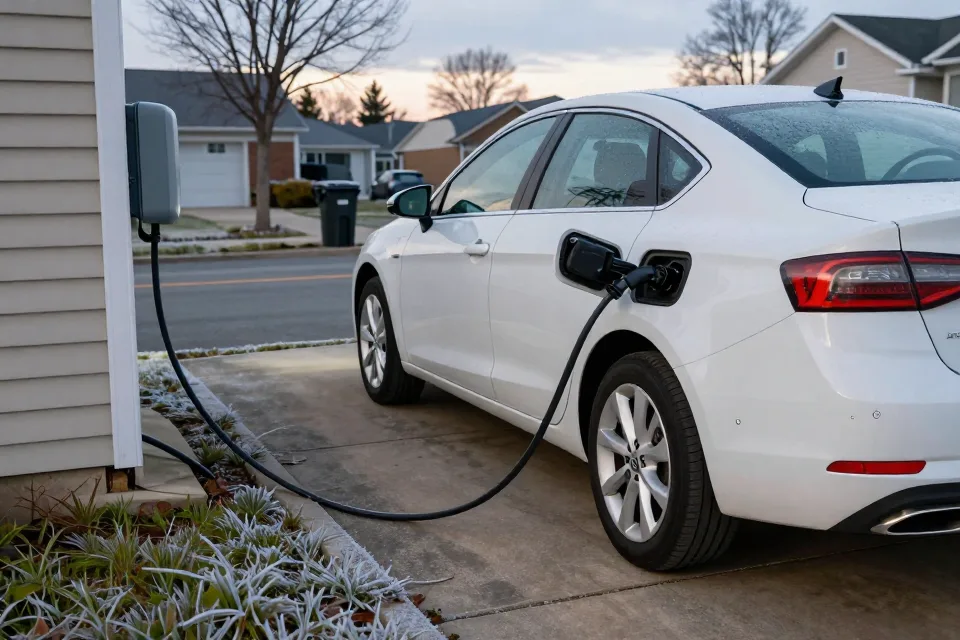
At home, Level 1 works for short commutes if you plug in every night. Level 2 is the upgrade most owners choose for daily driving. If you install a charger, the EPA notes that units rated 48 amps or higher are typically hardwired rather than plugged into an outlet, and an outdoor unit should be weatherproof. Get written quotes from licensed electricians before you commit.
Cold weather deserves a plan. Beyond the range drop, AAA suggests keeping tires at the manufacturer-recommended pressure and driving at moderate speeds to stretch the battery in winter. Safety is not a compromise: IIHS says electric vehicles protect their own occupants just as well as conventional cars do, though their extra weight can put lighter vehicles at a disadvantage in a collision. And if your car has been through deep floodwater and you suspect battery damage, NHTSA's guidance is clear — don't charge it; contact your dealer or emergency services.
Routine maintenance is light but not zero: check coolant levels per your owner's manual — cooling failures are a leading cause of breakdowns, the Car Care Council reminds all drivers — rotate the tires, replace the cabin air filter, and keep the car's software updated.
Common Mistakes New EV Owners Make
Most EV disappointments are avoidable. Here are the mistakes new owners make most often:
-
Planning around public chargers instead of home charging. If you can't charge where you park — apartment, street parking, shared garage — an EV gets much less convenient. Solve the home-charging question before you buy.
-
Trusting sticker range in winter or at highway speed. Cold air and fast driving can cut range by a third or more. Plan trips with a cushion.
-
Charging to 100 percent every day. Daily full charges are slower and harder on the battery. Make 80 percent the habit and top up fully only for trips.
-
Buying a charger before checking the electrical panel. A 240-volt circuit may need an upgrade. Get an electrician's quote first, then pick the charger.
-
Counting on the federal tax credit. The Clean Vehicle Credit ended September 30, 2025. Check state and utility programs instead.
-
Ignoring the battery warranty fine print. Coverage length, mileage caps, and capacity guarantees vary. Know yours before you sign.
-
Assuming every public charger fits your car. Connector types differ between Level 2 and DC fast charging; confirm compatibility before you rely on a station.
Your First 30 Days: A Simple Checklist
Your first 30 days, in order:
-
Test-drive an EV on the highway, not just around the block — range and charging feel different at speed.
-
Check your electrical panel and get written quotes for a 240-volt outlet.
-
Confirm where you'll charge most nights, and set up the app your car and local chargers use.
-
Set your daily charge limit to about 80 percent if the car allows it.
-
Plan one modest road trip with a fast-charging stop, and give yourself a range cushion.
-
Read the owner's manual sections on charging, cold weather, and coolant.
-
Write down your battery warranty terms and keep the paperwork with the car.
Electric cars are not for everyone — not yet — but they are far more practical than the old jokes suggest. The decision comes down to your parking situation, your driving habits, and a little honest math. Learn the three charging levels, respect the range sticker, charge at home, and the transition is less dramatic than the hype on either side would have you believe. This article is for general information only and is not financial or tax advice; for more details, see our disclaimer.
Sources
- [authority] https://www.nhtsa.gov/vehicle-safety/electric-and-hybrid-vehicles