
TPMS: What the Tire Pressure Light Really Means
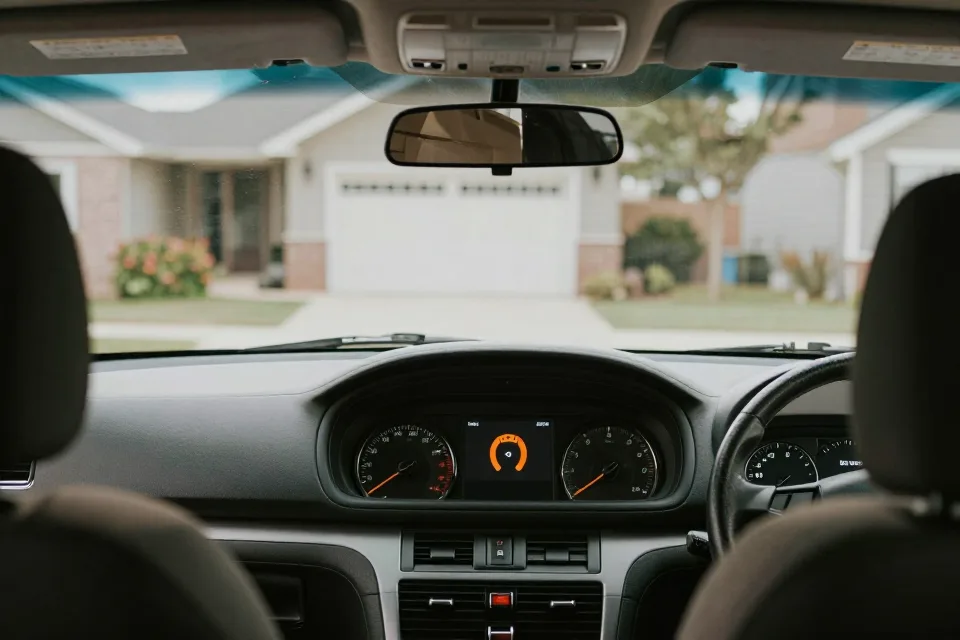
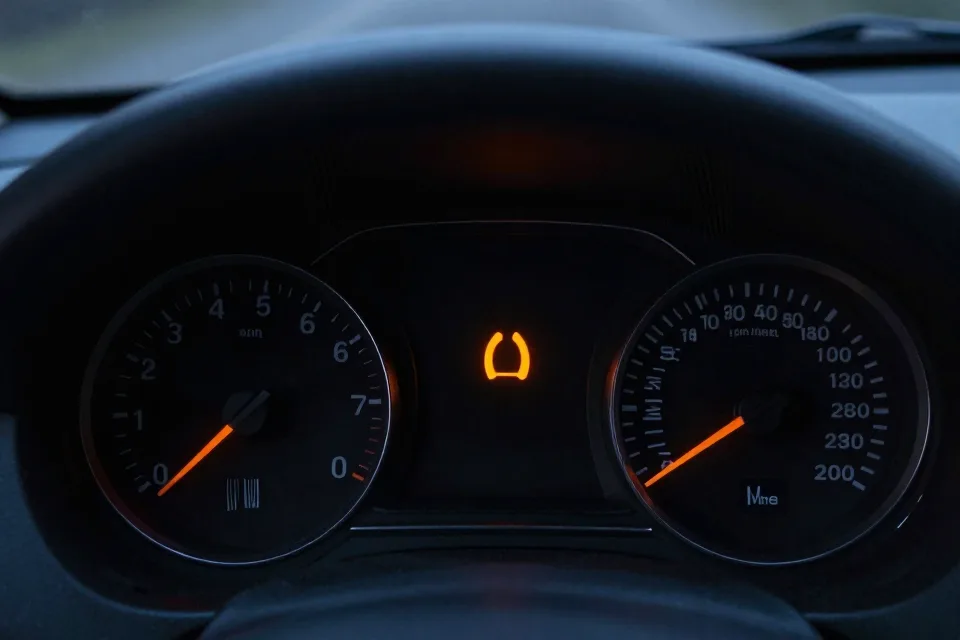
That small orange light on your dashboard looks like a horseshoe with an exclamation point in the middle. For years you may have driven right past it, or worse, hoped it would go away on its own. It usually will not, and understanding what it is saying can save you money, a set of tires, and possibly a roadside breakdown.
The light is your car's way of speaking up about its tires. This article explains what that warning means, why it sometimes appears on a cold morning for no obvious reason, and what to do the next time it shows up. None of it requires a mechanic. Most of it takes less than ten minutes.
What the Tire Pressure Light Actually Is
The light is part of a system called TPMS, short for Tire Pressure Monitoring System. It is a small warning network built into your vehicle that watches the air pressure in your tires while you drive.
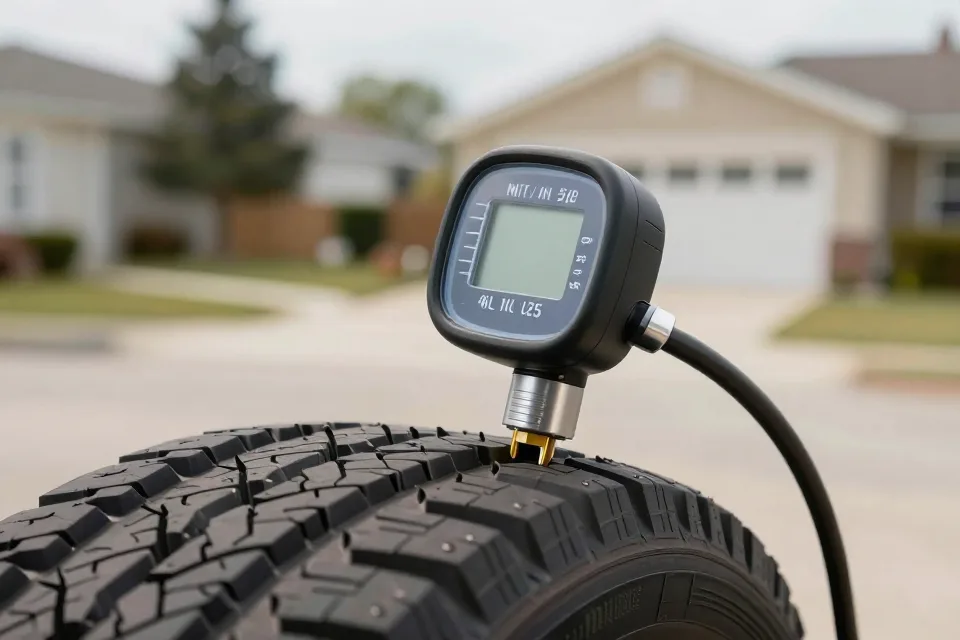
The system is not new. It became law after the Firestone tire recall of the late 1990s and early 2000s, when failures and blowouts were linked to underinflated tires on popular SUVs. Congress passed the TREAD Act in 2000, which directed the government to require tire pressure monitoring in new vehicles. The rule took effect gradually: about one in five new passenger vehicles in model year 2006, seven in ten in 2007, and every new passenger vehicle by model year 2008.
The federal standard behind it is called FMVSS 138. It says the warning must come on when pressure in one or more tires falls to 25 percent or more below the pressure recommended for your car, or to 20 psi or less, whichever number is higher. In plain English: the light does not come on for small dips. It waits until a tire is meaningfully low.
Two Ways the System Works
Not every TPMS is built the same. There are two basic designs, and knowing which one you have explains what your dashboard can and cannot tell you.
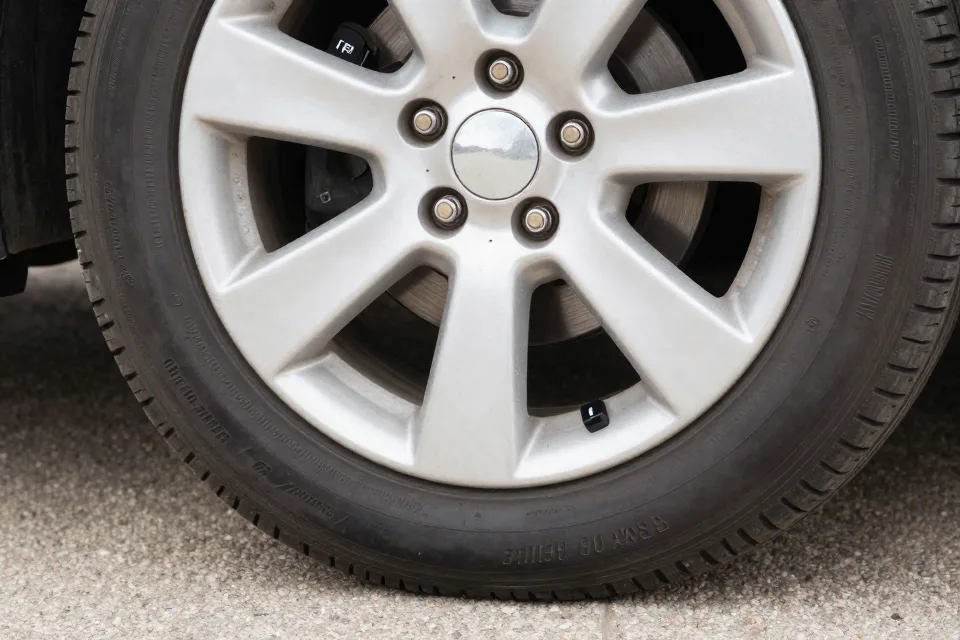
Direct TPMS uses a small sensor inside each wheel that measures actual air pressure and radios the reading to the car. Many newer cars with direct systems can show each tire's pressure as a number on the dash, sometimes with a graphic of the car. When one tire reads low, you see exactly which one it is.
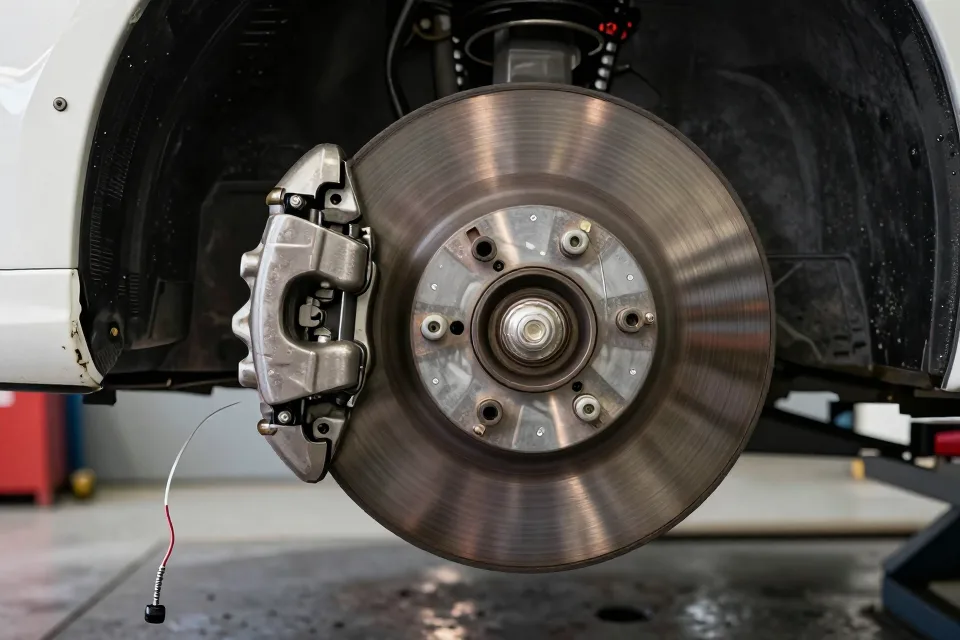
Indirect TPMS takes a different approach. It uses the same wheel-speed sensors that run your anti-lock brakes and compares how fast each wheel spins. A soft tire is slightly smaller, so it spins a little faster than its properly inflated neighbors. The system flags the difference. The trade-off: it usually cannot tell you a pressure number, and in some cases it cannot tell you which tire is low, only that one of them is.
Both designs do the same job — they warn you before a small problem turns into a flat. But neither one replaces a simple manual check with a gauge, as you will see later.
What the Light Is Trying to Tell You
The light speaks in two different ways, and the difference matters.
A light that comes on and stays on means one or more tires is at least 25 percent below the recommended pressure. This is the fill-me-up message.
A light that blinks for about a minute and then stays on is a different message: the system itself has a problem. The most common cause is a dead or failing sensor, especially in cars older than eight or nine years.
| What the light does | What it usually means | Your move |
|---|---|---|
| Steady on | One or more tires significantly underinflated | Check and fill all four tires |
| Blinks about a minute, then stays on | System fault, often a dead sensor | Have the system diagnosed soon |
| On after filling | Pressure still low, or the system has not reset | Recheck cold pressure; if it looks right, seek service |
| Appears in cold weather, then goes out | Normal temperature-driven pressure drop | Check pressure and top off as needed |
First Moves When the Light Comes On
You do not need to pull over on the highway. The light is a warning, not an emergency siren. Unless the car is pulling to one side, vibrating, or making a thumping noise, drive to the nearest safe place and take a look.
Here is the sequence that works every time:
-
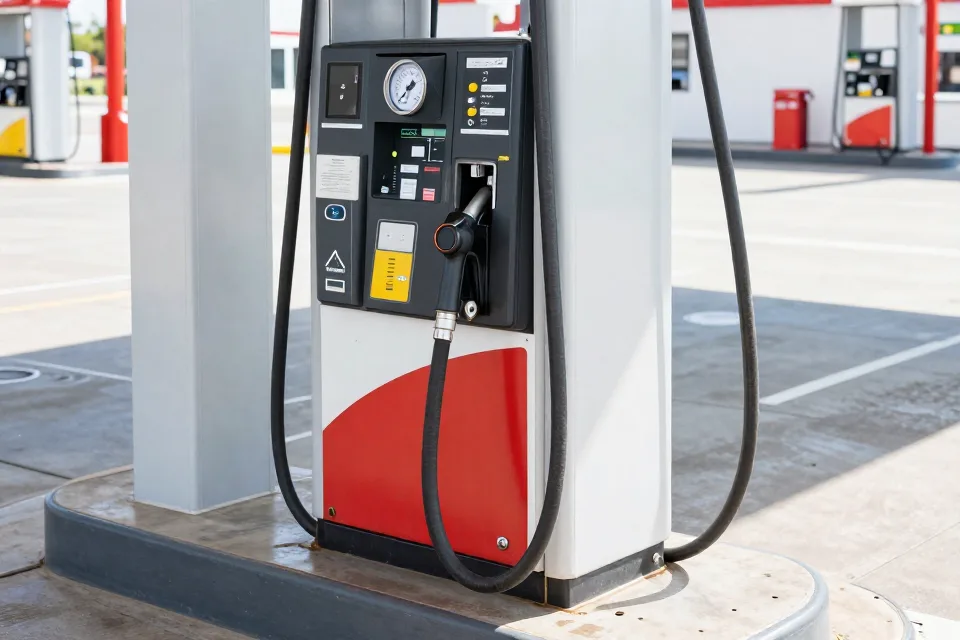
Find a safe, level spot and park. A gas station air pump area works well, because you will likely need it.
-
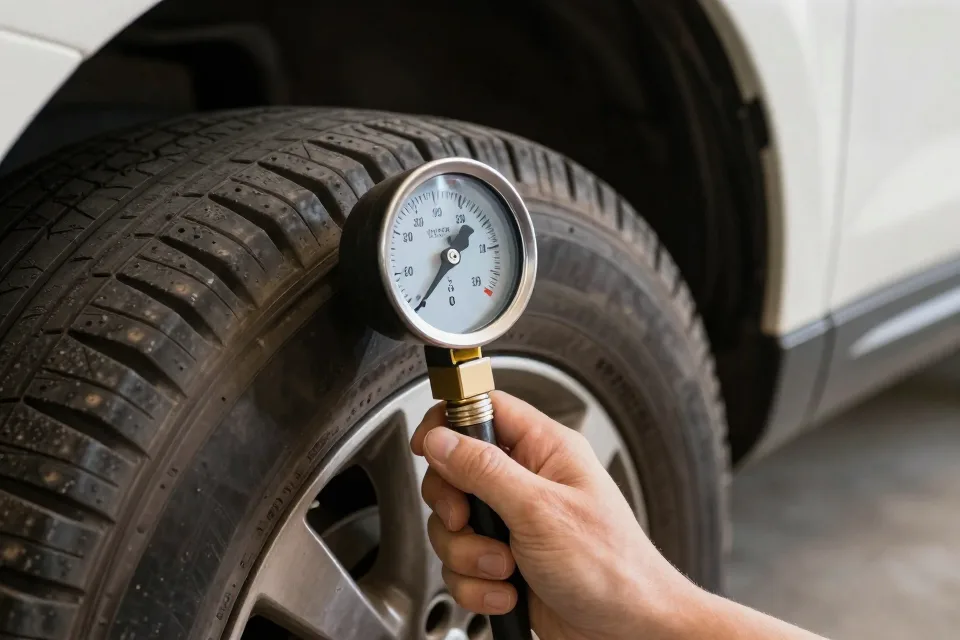
Check all four tires with a pressure gauge — not just the one you suspect. Tires lose air at different rates.
-
Compare each reading to the pressure on your door sticker (more on that below).
-
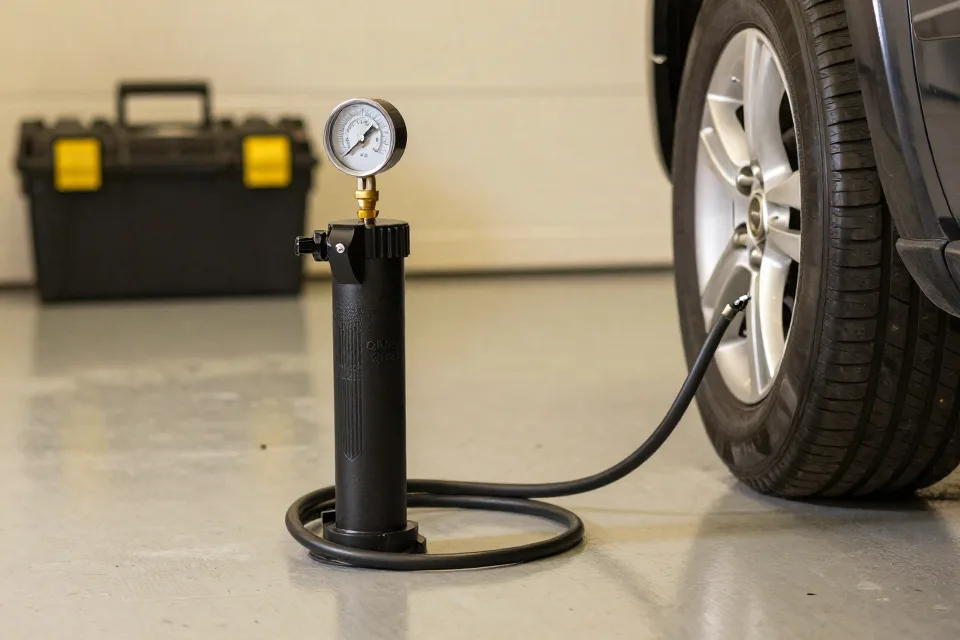
Add air to any tire that is low, using the station's pump or your own compressor. Add a little at a time and recheck.
-
Drive for a few minutes. The light should go out on its own once the system sees normal pressure.
-
If the light stays on after you have filled everything to spec, or if any tire needed a lot of air, have the tire inspected for a slow leak.
A tire that needs air again within a week almost always has a slow leak or a damaged valve. That is worth a shop visit, not another refill.
Common Mistakes Drivers Make
Over the years, the same tire-pressure mistakes show up again and again. Here are the ones worth avoiding:
-
Filling to the number on the tire sidewall. That number is the maximum the tire can safely hold — set by the tire maker, not your car maker. Fill to the door-sticker number instead.
-
Trusting the light instead of a gauge. The light only trips at the 25 percent mark. Your tires can be five or six psi low — enough to cost you gas and tread life — with the light still off.
-
Checking pressure on hot tires and calling it done. Heat inflates the reading. A tire checked after an hour of highway driving reads higher than its true cold pressure, so you end up underfilling.
-
Topping off only in winter. Warm weather causes slow pressure loss too, and hot pavement stresses low tires even more. Check year-round.
-
Ignoring a blinking light. A steady light is a tire problem; a blinking one is a system problem. A dead sensor will not fix itself.
-
Adding air to one tire only. The other three may be just as low. Check all four, and the spare if your car carries one.
Where the Real Pressure Number Lives
Your car's correct tire pressure is printed on a small sticker, usually on the driver's side door jamb — the frame the door closes against. Some vehicles put it on the doorpost, the glove-box door, or inside the fuel door. The same numbers appear in the owner's manual.
The sticker is sometimes called the Tire and Loading Information label, and it lists the cold pressure for the front and rear tires, sometimes different numbers for each. Heavier loads may call for more air in the rear.
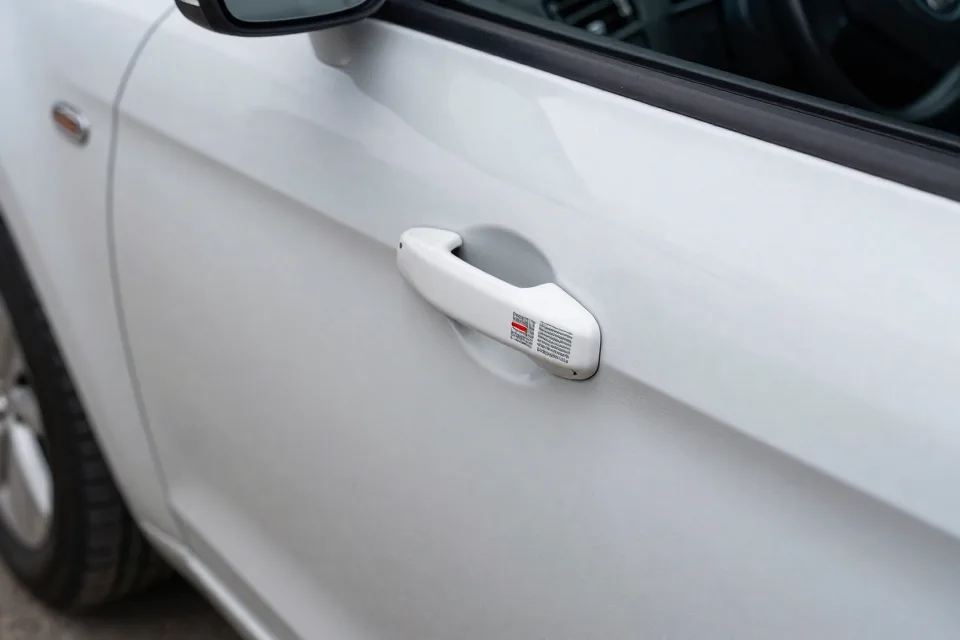
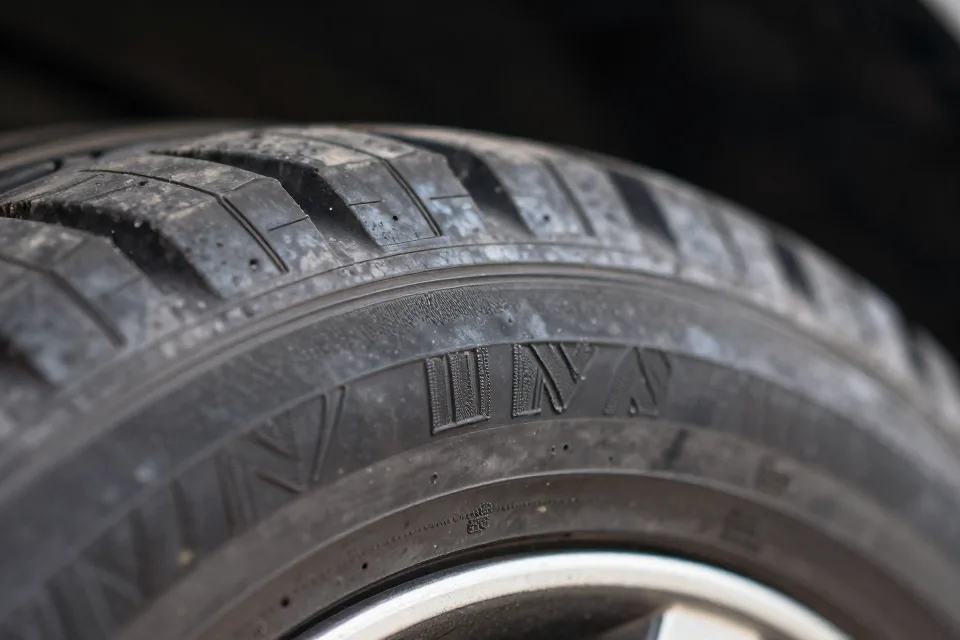
Here is the part that trips people up: the tire itself also has a number printed on its sidewall, like “44 PSI max.” That is the maximum pressure the tire can hold, not the recommended pressure for your car. The tire fits many vehicles; the sticker is written for yours. When the two numbers disagree, trust the sticker.
Snap a photo of the sticker with your phone. Next time you are at the air pump, you will have the right number without hunting.
Why Winter Sets Off the Light
If your TPMS light appears every November, you are not imagining things. The air inside your tires contracts as temperatures fall, and tire pressure drops roughly one psi for every ten degrees Fahrenheit of temperature drop.
Run the math: a 30-degree swing from a mild fall day to a cold morning takes about three psi out of every tire. If your tires were already near the edge, that is enough to trip the light even though nothing is wrong with the tires themselves.
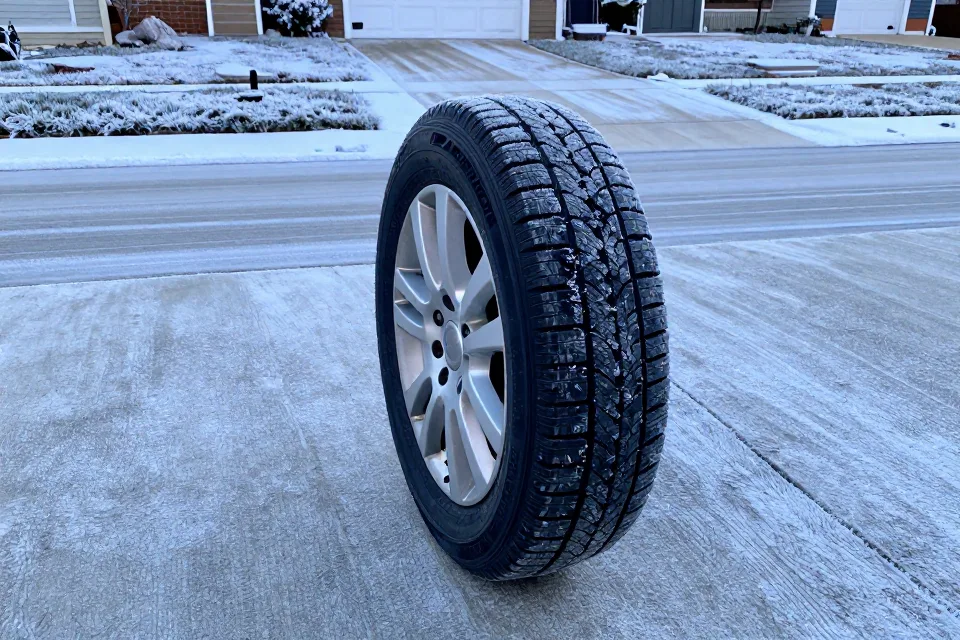
The fix is simple: check the pressure on a cold morning, add air to the sticker number, and expect the light to go out. If one tire loses pressure much faster than the others over a few weeks, that one probably has a leak.
The Quiet Costs of Soft Tires
Underinflated tires are easy to ignore and expensive to keep ignoring. The U.S. Department of Energy says properly inflated tires improve fuel economy by about 0.6 percent on average, and up to 3 percent in some cases. A one-psi drop across all four tires cuts mileage by roughly 0.2 percent. Those numbers sound small until you multiply them by every gallon you buy in a year.
The safety math is more serious. When NHTSA wrote the TPMS rule, it estimated from crash data that low tire pressure played a role in about 23,000 tow-away crashes a year — roughly half a percent of all such crashes. Underinflated tires also run hotter, wear faster along the outer edges, grip less during braking, and are more likely to fail at highway speed.
One more thing: low tires shorten tread life. A tire that is chronically soft can wear out thousands of miles early, which turns a skipped trip to the air pump into an early set of replacement tires.
When the Sensors Themselves Give Up
Direct TPMS sensors run on small sealed batteries, and like all batteries, they do not last forever. Most are designed to last roughly five to ten years, which for many drivers is most of the car's life. When a battery dies, the sensor stops reporting, and the dashboard usually announces it with a blinking light.
Replacement is not a do-it-yourself job for most people, because the sensor sits inside the tire, mounted on the wheel. The common practice is to replace the sensors when the tires are replaced, while the wheels are already off. Expect the parts-and-labor cost to vary by shop and by vehicle; it is often in the range of $50 to $100 or more per wheel.
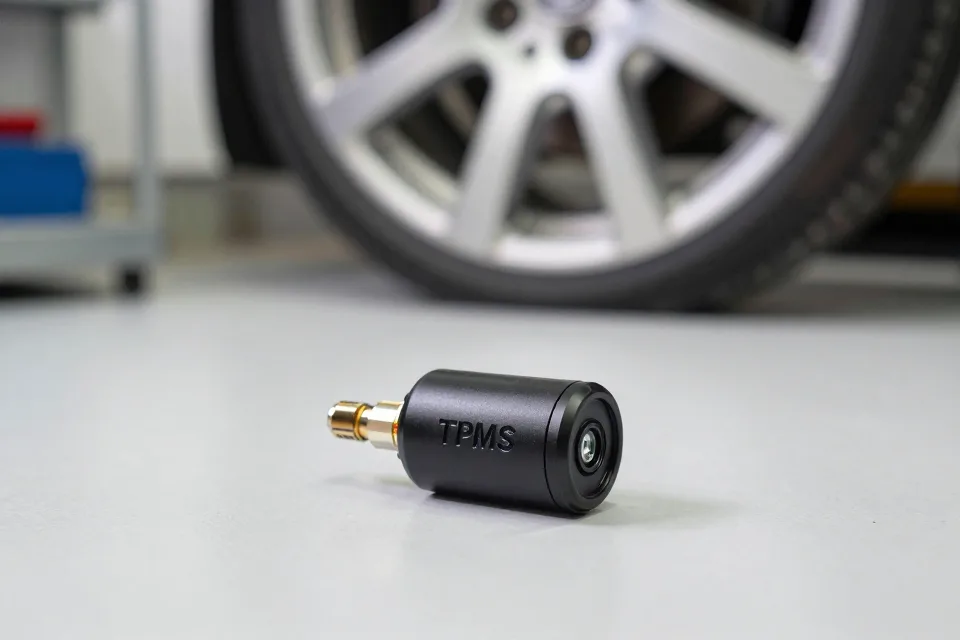
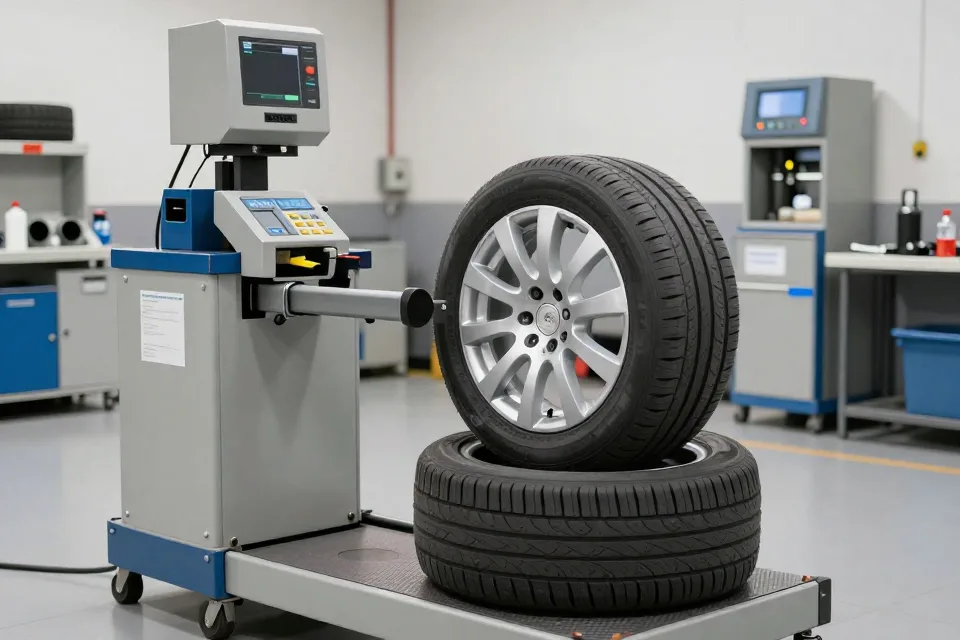
After new sensors are installed — or after a tire rotation on some cars — the system may need a short relearn procedure so the car knows which sensor is on which wheel. A tire shop does this in minutes with a small tool. It is routine, not a problem.
Your Monthly 60-Second Tire Check
Here is the whole habit, and it costs about a minute a month:
-
Check pressure once a month, when the tires are cold — before driving, or at least three hours after.
-
Use the door-sticker numbers, not the sidewall.
-
Check all four tires, plus the spare if your car carries one.
-
Add air in short bursts and recheck as you go.
-
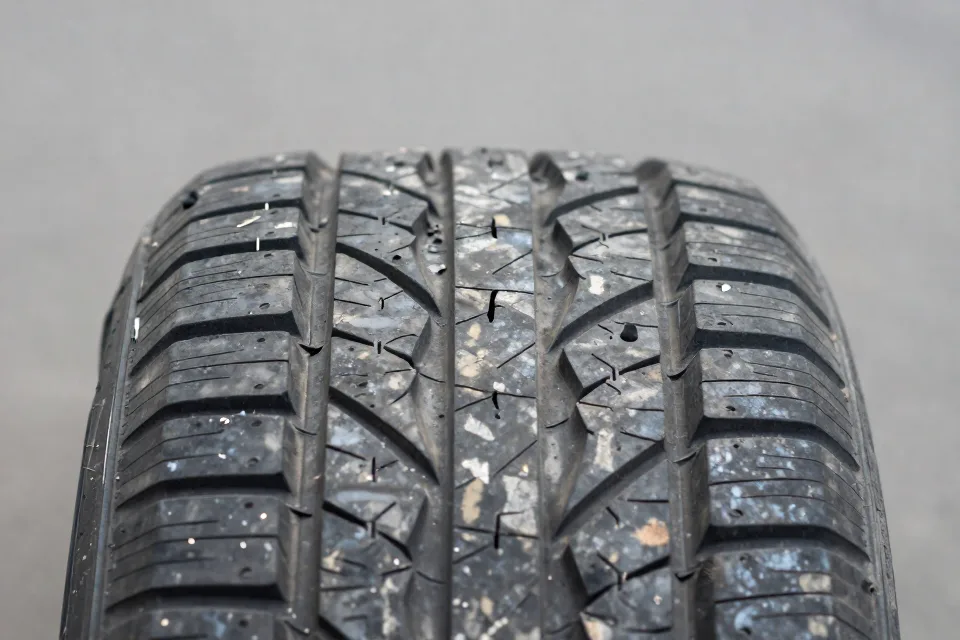
Look at the tread while you are down there: uneven wear is a clue the tires are running low or the alignment is off.
-
Before a long trip, check again — and check the day before, not the morning of.
That is the whole routine. It keeps the warning light off, the gas gauge happier, and the tires on the road where they belong.
This article is general information for everyday drivers and is not a substitute for your owner's manual or a qualified technician. See our full disclaimer.
Sources
- [authority] https://www.nhtsa.gov/vehicle-safety/tires