
The Car Fluids Every Driver Should Check
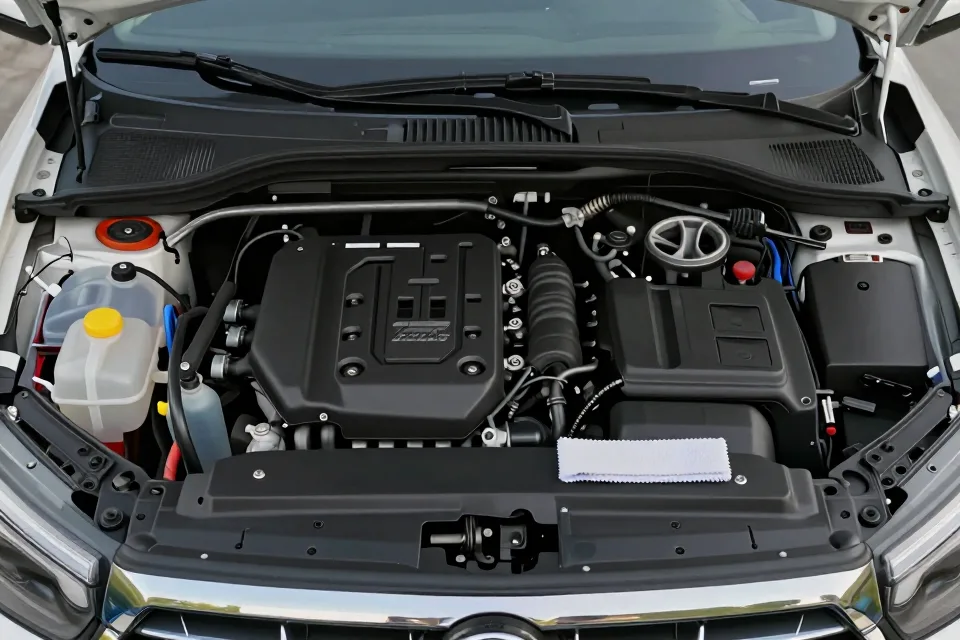
Why Ten Minutes a Month Beats a Breakdown
Open your owner's manual and you will find a schedule of services — oil changes, fluid flushes, inspections — spread across the life of the car. What the manual cannot do is warn you when something is wrong right now. The dashboard will not tell you the coolant is a quart low, that the brake fluid has gone dark, or that a fitting under the car has started to weep.
That job belongs to you, and it takes about ten minutes a month. It also matters more than most drivers realize. The Car Care Council reports that fires sparked by neglected upkeep outnumber fires caused by crashes. And CARFAX's own data finds roughly three in ten vehicles on the road running past their oil-change due date.
The good news is that checking fluids is one of the easiest jobs in car ownership. No tools, no lift, no appointment. Just a rag, a few minutes, and the manual that came with the car. Here is what to check, how to check it, and when to stop guessing and call a mechanic.
Start With the Owner's Manual
Before you touch anything under the hood, open the owner's manual and read the maintenance section. It is the only schedule that counts for your specific car. It tells you which fluids to use, where the reservoirs live, and how often each service is due.
Fluids are not one-size-fits-all. Your car may require a specific coolant chemistry, a specific transmission fluid, or a specific oil grade. Pouring in a lookalike from the shelf can cost you money today and shorten the life of the parts it protects. When a shop recommends a service that is not in your manual, ask why it is needed.
One more thing to know: many manuals list two schedules, normal and severe. Severe covers short trips, stop-and-go city driving, extreme heat or cold, towing, and dusty roads. If much of your driving fits that list, the shorter intervals apply to you. When in doubt, follow the severe schedule.

Engine Oil — The Fluid That Keeps Your Engine Alive
Engine oil is the lifeblood of the car. It lubricates the moving parts inside the engine, carries heat away, and traps dirt so the filter can catch it. Of all the fluids, this is the one worth checking most often.
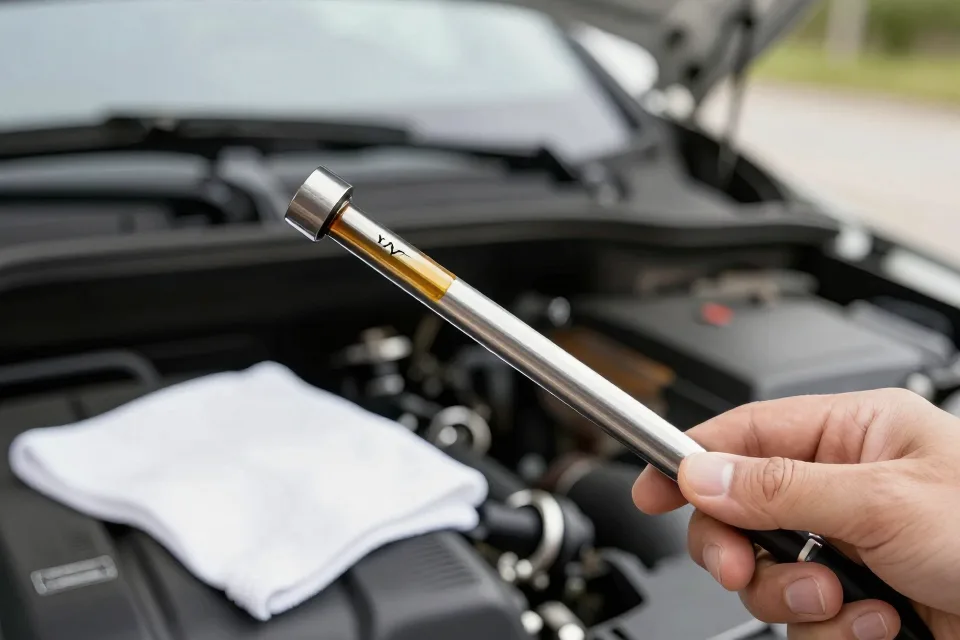
The check takes two minutes. Park on level ground, turn the engine off, and give it a few minutes to let the oil settle back into the pan. Pull the dipstick out, wipe it clean with a rag, push it all the way back in, and pull it out again. The oil film should sit between the two marks on the tip. If it is at or below the low mark, add a little oil of the grade your manual calls for, then recheck so you do not overfill.
What about the old 3,000-mile rule? It is outdated for most modern cars. AAA says most engines today are built to go 5,000 to 7,500 miles between changes, and many newer cars have oil-life monitors that tell you when service is due. Follow your manual — not the sticker on the windshield.
Oil grade matters for more than engine health. The U.S. Department of Energy says using the manufacturer's recommended grade can improve gas mileage by 1% to 2% compared with the wrong grade.
Coolant — Against Boiling and Freezing
Coolant, also called antifreeze, does two jobs. It pulls heat away from the engine, and it stops the cooling system from freezing in winter. If the level drops, the engine can overheat — and an overheated engine can mean a very large repair bill.
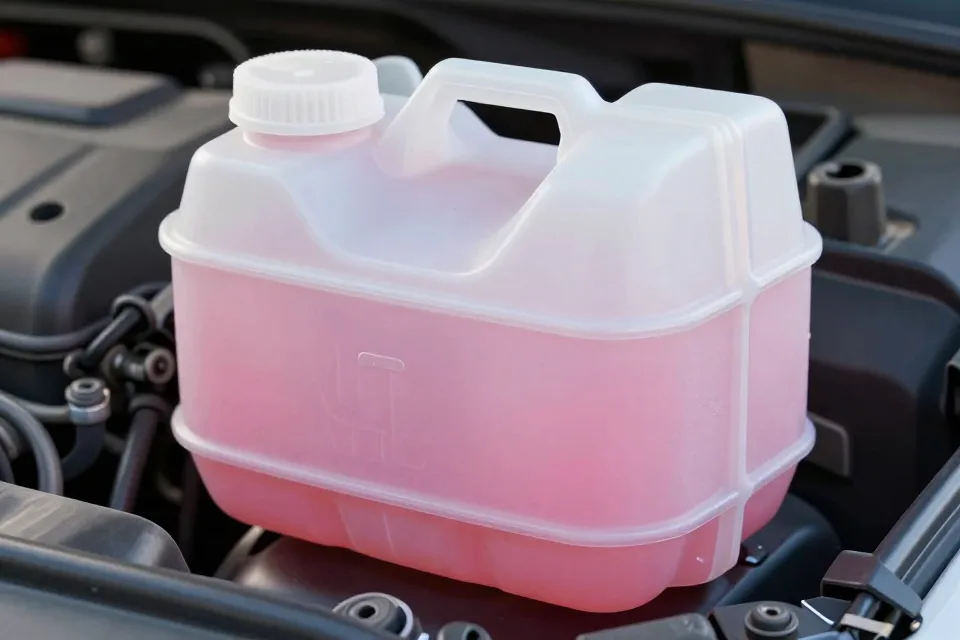
Check coolant only when the engine is cool, ideally first thing in the morning. The plastic reservoir is marked with low and high lines, and the level should sit between them. If it is low, top it off with the coolant your manual specifies.
Never open the radiator cap on a hot engine. The cooling system is under pressure, and releasing that pressure can spray scalding steam and boiling coolant. AAA advises waiting 40 to 60 minutes after shutdown before opening the cap, and even then, use the reservoir whenever you can.
Also, never mix coolant types. The different formulations are not interchangeable, and some combinations can turn into a thick gel that clogs the cooling passages. Color is not a reliable guide — the manual is.
Coolant does not last forever. Some manufacturers schedule a flush at ten years or 100,000 miles; others say the fluid is good for the life of the car. Old coolant loses its ability to protect against corrosion, so check the manual and the severe-service schedule for your car.
Brake Fluid — Don't Learn This One the Hard Way
Brake fluid is the fluid to take most seriously. When you press the pedal, fluid pushes the brakes at all four wheels. Low or degraded fluid can mean a soft pedal, a longer stopping distance, or no brakes at all.
The Car Care Council recommends a brake system inspection at least once a year, including the fluid level, linings, hoses, and warning lights. The reservoir is usually a translucent plastic tank with min and max lines. Healthy fluid looks clear to light amber. If the fluid looks dark, if the level keeps dropping, or if the pedal feels spongy or low, have the brakes inspected before you drive far.
Brake fluid also soaks up moisture out of the air over time. Water lowers the fluid's boiling point, which can cause the pedal to fade after hard braking, and it promotes corrosion inside the system. That is why automakers schedule fluid flushes, often around every two years. The Drive's maintenance guide puts a typical brake fluid replacement between about 20,000 and 50,000 miles, but your owner's manual is the final word.
Transmission Fluid — The Expensive One
Transmission fluid cools and lubricates the gears, and in an automatic it is the fluid that actually does the shifting. Low or burned fluid is one of the fastest ways to destroy a transmission, and transmissions are among the most expensive parts of a car to replace.
How to check it depends on the car. Some transmissions have a dipstick under the hood; many newer ones do not. The manual will tell you whether yours is checked with the engine running or off — and that detail matters, because checking the wrong way gives you a wrong reading.
What does the fluid look like? Fresh automatic transmission fluid is reddish. CARFAX says fluid that has turned brown or black, or that smells burned, is a sign the transmission needs service.
When should it be changed? Advice varies. The Car Care Council says a fluid-and-filter change at 24,000 to 36,000 miles does the most to extend a transmission's life. Cars.com points out that many newer cars use fluids labeled 'lifetime,' but still recommends checking the fluid at around 100,000 miles, since heat — the kind built up in stop-and-go traffic, towing, and heavy loads — is what wears transmission fluid out fastest. The Drive's rule of thumb: when in doubt, use the manufacturer's fluid, starting at 60,000 miles and every 30,000 after that. Your manual and your driving habits are the real answer.
Power Steering and Washer Fluid — The Quick Checks
Two more reservoirs round out the tour, and both are simple.
Power steering fluid: if your car has hydraulic power steering, the reservoir has min and max marks, and the level should stay between them. A whine when you turn the wheel is often the first sign of low fluid. Many newer cars have electric power steering and no fluid to check at all — the manual will say which type you have.
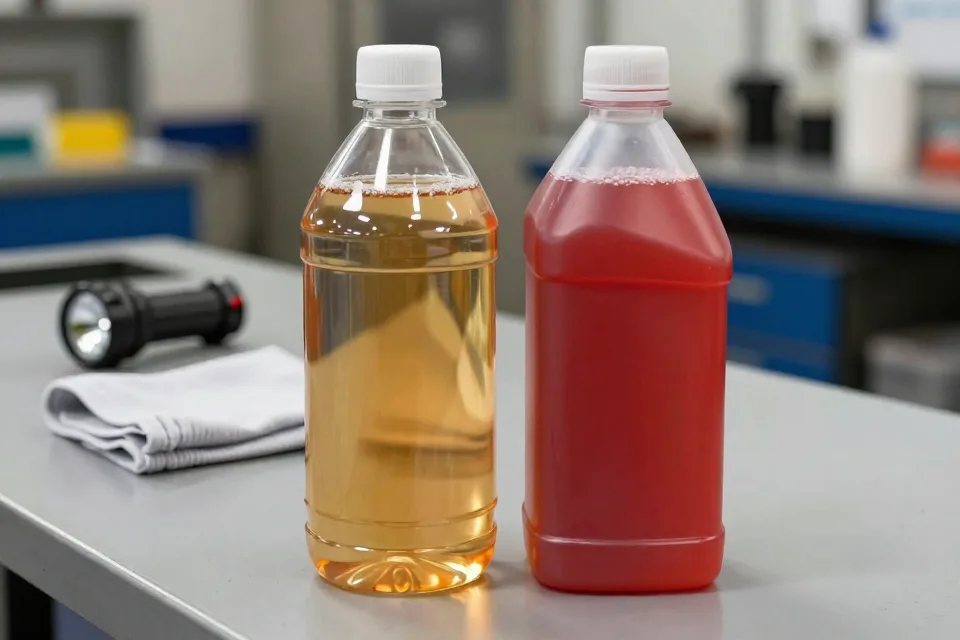
Windshield washer fluid: the cheapest fluid on the car and the one you will use most. The reservoir is a translucent jug with a cap marked with a spray icon. Keep it topped off, and match the fluid to the season. AAA suggests a bug-removing formula for summer and, where temperatures drop below freezing, a winter formula with antifreeze so the fluid does not turn to ice in the reservoir.
The Leak Test — What That Puddle Is Telling You
Every now and then, take a look at the ground where you park. A puddle under the car is the car telling you something, and the color helps identify the fluid.
The only drip that is completely normal is clear water from the air conditioner on a hot day, says Edmunds. Anything else deserves attention.
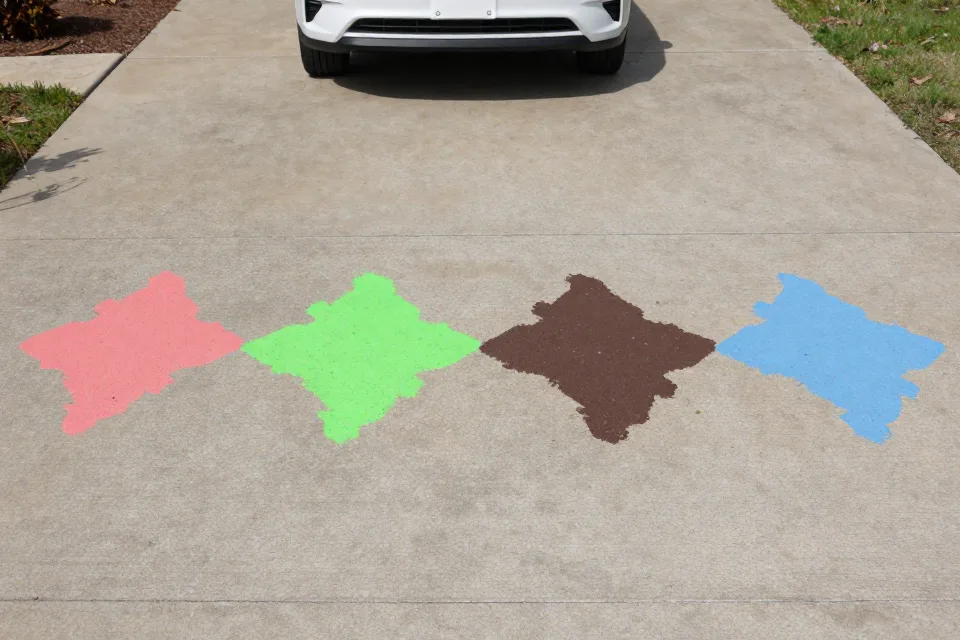
| Puddle color | Likely fluid |
|---|---|
| Red or pink | Transmission fluid or power steering fluid |
| Green, orange, or pink | Coolant (antifreeze) |
| Brown or black | Engine oil |
| Blue or green | Washer fluid |
| Clear and slippery | Brake fluid |
If you find a puddle, do not panic — but do act. Note where it is coming from, check the related reservoir, and have it diagnosed soon. Small leaks do not fix themselves; they get bigger.
Common Mistakes Drivers Make
After years of watching drivers at the hood, these are the mistakes that come up again and again.
-
Adding the wrong fluid. Topping off with whatever is on the shelf can damage the very system you are trying to protect. Always check the manual.
-
Overfilling. More is not better. Too much oil can foam, and an overfilled reservoir can overflow where you least want it.
-
Checking hot systems. Oil reads wrong on a hot engine, and coolant checks on a hot engine can burn you.
-
Trusting the 3,000-mile oil change. It is outdated for most cars and wastes money on perfectly good oil.
-
Ignoring small leaks. A drip today is a repair bill tomorrow.
-
Mixing coolant types. Different formulations can react and clog the cooling system.
-
Checking transmission fluid the wrong way. Engine running or off matters — follow the manual.
-
Skipping the monthly tire check. NHTSA recommends a tire-pressure check once a month, on cold tires — meaning the car has been parked for at least three hours.
-
Forgetting recalls. The National Safety Council estimates that roughly a fifth of the cars on American roads still have open recall repairs — and checking is free.
Your Monthly 10-Minute Check
Once a month, run through this list. It takes about ten minutes and costs nothing.
-
With the engine off and the car level, check the oil on the dipstick.
-
With the engine cool, check the coolant level in the reservoir.
-
Check the brake fluid and power steering fluid levels in their reservoirs.
-
Top off the washer fluid.
-
Check tire pressure monthly on cold tires, and glance at the tread.
-
Keep tires properly inflated — the U.S. Department of Energy says that alone can improve gas mileage by about 0.6% on average, and up to 3% in some cases.
-
Look under the car for new puddles.
-
Every few months, open the manual and review the maintenance schedule — and check for recalls.
Ten minutes a month is the cheapest insurance your car will ever have. When you do need service, or when a fluid level keeps dropping for no reason, that is the moment to call a qualified mechanic rather than guess.

This article is general information, not professional repair advice. Always follow your vehicle's owner's manual, and see a qualified mechanic when you are unsure. For more on how we handle content on this site, see our disclaimer.
Sources
- [authority] https://www.aaa.com/autorepair/articles/car-fluids-how-to-check-and-maintain-them-for-peak-performance