
What Every Emergency Roadside Kit Should Have
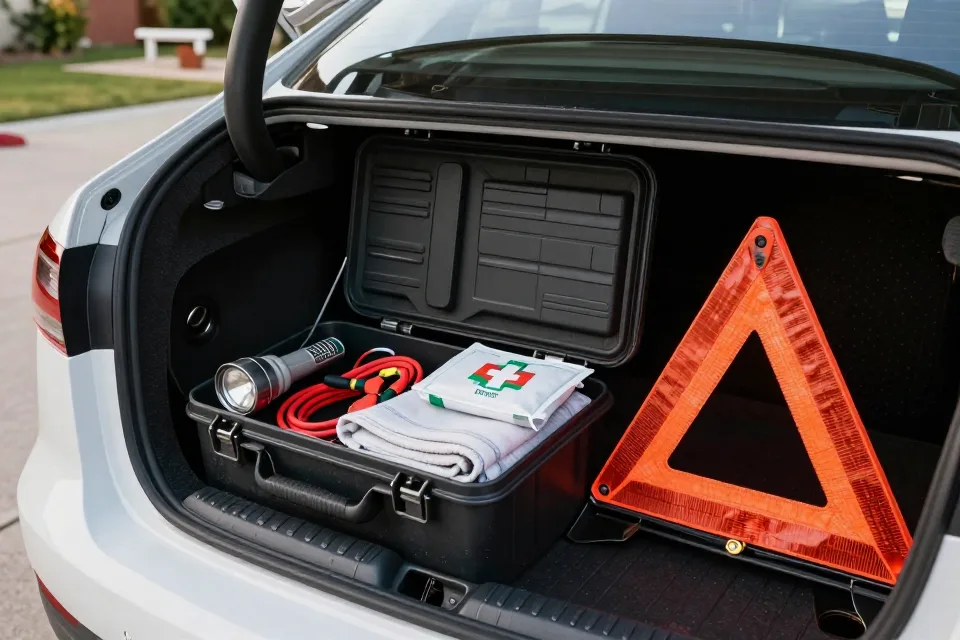
We have all seen it: a car stopped on the shoulder with the hood up, a driver standing nearby squinting at a phone that will not connect. It happens at the worst moments — rain at dusk, a dead battery in a crowded parking lot, or a sudden snow squall that turns an easy drive into a three-hour wait. You cannot choose when your car will quit. You can choose what is waiting in the trunk when it does.
A roadside kit is not about buying an expensive survival bag. It is about having a handful of basics in the car, knowing exactly where they are, and checking them twice a year. This guide covers what belongs in the kit, what to add for winter, the mistakes that leave drivers unprepared, and a simple checklist you can keep in the glove box.
Why Your Trunk Should Have a Kit
Every vehicle should carry an emergency supply kit, and the National Safety Council recommends checking it about every six months and replacing anything expired. That single habit — a twice-a-year look — does more for your safety than any one purchase.
Breakdowns rarely send a warning. Batteries die, tires go flat, and radiators overheat without notice. Most days, help is twenty minutes away. Other days the tow truck is slow, the weather turns, or you are on a stretch of road where your phone shows no bars. The kit is what carries you through those other days.
The good news is that you do not need to spend much. Most of these items are already in your house. You are mostly assembling, not buying.
The Core 12: What Every Kit Needs
This short list shows up in nearly every serious recommendation, from Ready.gov, NHTSA, and the National Safety Council to AAA. Start here:
-
Cell phone charger. Your phone is your lifeline for calling help, and a car charger keeps it alive. AAA suggests keeping the phone and charger in the glove compartment.
-
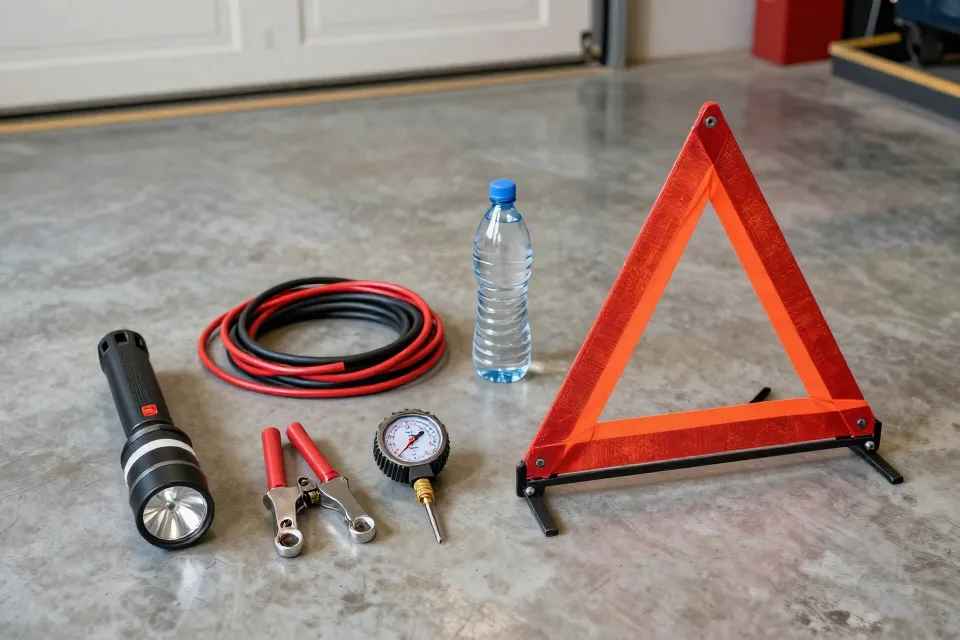
Flashlight with spare batteries. Roadside trouble seems to prefer the dark.
-
Jumper cables or a jump pack. Dead batteries are among the most common breakdowns. The California Highway Patrol recommends cables at least 12 feet long.
-
First-aid kit. Bandages, gauze, tape, and antiseptic wipes handle the small injuries that come with changing a tire or working under the hood.
-
Blanket. A blanket keeps you warm if you are stranded; a space blanket takes almost no room.
-
Drinking water. Ready.gov recommends about one gallon per person per day in emergency supplies.
-
Non-perishable snacks. Energy bars, dried fruit, or nuts. CHP suggests replacing them once a year.
-
Reflective triangles or flares. These warn oncoming traffic that your car is stopped.
-
Ice scraper and snow brush. Even in mild climates, a surprise cold snap happens.
-
Traction aid. A bag of sand or non-clumping cat litter can help a wheel find grip.
-
Basic tools and duct tape. A small toolkit, a multi-tool, and duct tape cover many temporary fixes.
-
Tire pressure gauge. NHTSA recommends checking pressure at least monthly, and a gauge in the car makes it easy. Check the spare too.
That is the core. Most drivers never need more than this.
Winter Add-Ons for Cold-Weather Drivers
If you drive where snow falls, the kit needs a second layer. NHTSA's winter driving tips add an ice scraper, snow shovel, broom, sand, jumper cables, flashlight, first-aid kit, blankets, phone charger, water, and canned food.
Where you store it matters in winter. Wisconsin's Department of Transportation suggests keeping the survival kit in the back seat rather than the trunk, because a trunk can jam or freeze shut right when you need it.
Cold weather is the one season where your kit may have to keep you safe for hours, not minutes. A folding shovel, extra gloves, a hat, and a warm jacket or boots are cheap insurance. The National Safety Council also lists warm clothing, a rain poncho, a snow brush, and a fire extinguisher among recommended supplies.
First Aid and Personal Items
A basic first-aid kit should include gauze, tape, bandages, antibiotic ointment, aspirin, a blanket, non-latex gloves, scissors, tweezers, and an instant cold compress, according to the National Safety Council. You do not need a hospital in a bag — just enough to manage a cut or scrape until you reach real help.
Think about who rides with you. Ready.gov's supply-kit guidance adds prescription medications and glasses, plus pet food and water if you travel with animals. It also suggests cash and copies of important documents in a waterproof container.
Save emergency numbers before you need them. The National Safety Council recommends keeping your auto insurance provider and a towing company's number in your phone alongside family contacts.
Common Mistakes Drivers Make
Most unprepared drivers are not missing gear. They are making one of these mistakes:
-
Buying a kit and never opening it. Pre-made kits are a fine start, but food expires, batteries drain, and first-aid supplies dry out. Check yours every six months, as the National Safety Council advises.
-
Keeping everything in the trunk in winter. If the trunk freezes shut, the kit is useless. Wisconsin's DOT recommends the back seat for cold months.
-
Skipping spare batteries. A flashlight with dead batteries is a paperweight.
-
Forgetting that water freezes. In cold weather, bottled water can freeze solid. CHP recommends replacing stored water every year, which also solves the aging problem if you rotate before winter.
-
Assuming the jack and cables are all you need. CHP notes that your jack and lug wrench must fit your car — and that you know how to use them. Practice once in your driveway before you need them on a roadside.
-
Letting the phone die. A dead phone is a common failure point. Keep the charger in the kit, not on the kitchen counter.
-
Waiting for the warning light. NHTSA says to check tire pressure at least monthly; the dashboard light is a backup, not a plan.
Where to Store It and How to Maintain It
Ready.gov suggests keeping kit items in airtight plastic bags inside one or two easy-to-carry containers, such as plastic bins or a duffel bag. AAA recommends thinking about placement: phone and charger in the glove compartment, the first-aid kit nearby, and bulkier items like the blanket, tools, and reflectors in the luggage area.
Set a simple maintenance rhythm. Twice a year, around the six-month mark the National Safety Council suggests, empty the kit, check dates, test the flashlight, and replace anything used or missing. CHP says to refresh bottled water and energy bars yearly and recheck the spare tire's pressure at the same time.
If your tires are getting thin, NHTSA's penny test is a quick check: put a penny in the tread with Lincoln's head upside down. If you can see the top of his head, the tread is near 2/32 of an inch and it is time for new tires.
Your Roadside Kit Checklist
Print this list and tape it inside the kit lid. Run through it whenever you check the kit:
-
Phone charger and cable in the glove box.
-
Flashlight with fresh spare batteries.
-
Jumper cables or a jump pack — and know how to use them.
-
First-aid kit with gauze, tape, bandages, and gloves.
-
Blanket, or a space blanket in warmer months.
-
Water and non-perishable snacks, rotated yearly.
-
Reflective triangles or flares.
-
Ice scraper and snow brush.
-
Sand or cat litter for traction.
-
Small toolkit and duct tape.
-
Tire pressure gauge — check all tires and the spare monthly.
-
Winter extras: shovel, gloves, hat, warm jacket.
-
Emergency phone numbers saved in your phone.
If You Get Stranded
Even a good kit cannot replace good decisions. If you are stuck on the road, especially in winter weather, remember these five rules from the National Weather Service and Ready.gov:
-
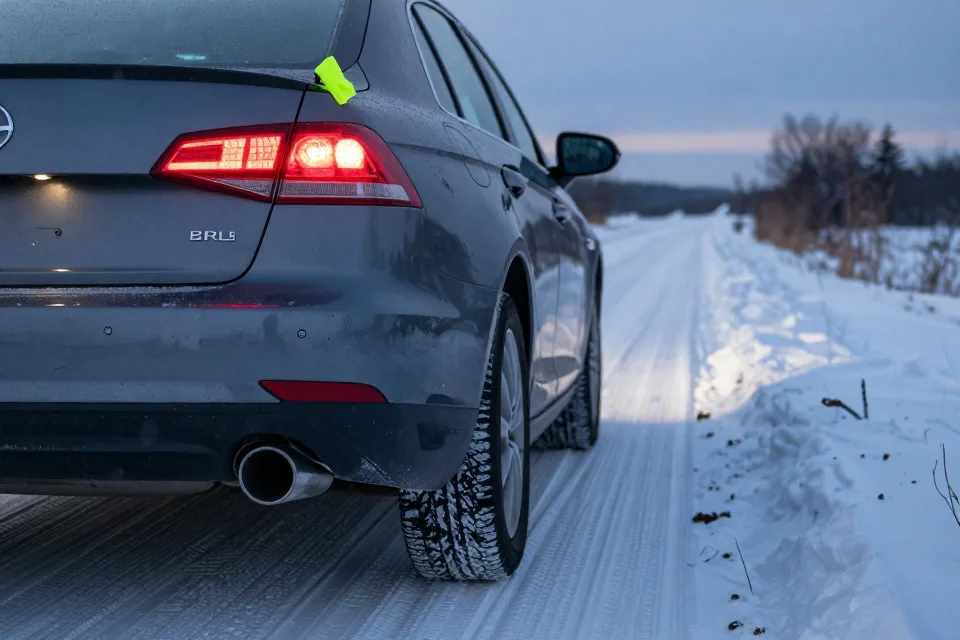
Stay with your vehicle. In wind-driven snow and cold, it is easy to become disoriented away from the car. Your car is shelter, and it is far easier for rescuers to spot.
-
Run the engine about ten minutes each hour for heat, and open a window a crack while it runs to keep fresh air moving.
-
Clear snow from the exhaust pipe before you start the engine. A blocked pipe can push deadly carbon monoxide into the cabin; CDC reports have tied snow-blocked exhaust pipes to poisonings.
-
Make yourself visible. Tie a brightly colored cloth — red is best — to the antenna or door handle, and turn on the dome light at night.
-
Never leave the car if a power line is touching it. Stay inside until a trained worker removes the wire, per Ready.gov.
A roadside kit is a small investment that only matters on your worst day — and on that day, it can make all the difference. Build it, store it, check it twice a year, and you will never have to wish you had.
This article offers general safety information for everyday drivers. It is not a substitute for your vehicle's owner's manual, a qualified technician, or official guidance from agencies like NHTSA. See our full disclaimer.
Sources
- [authority] https://www.nsc.org/community-safety/safety-topics/emergency-preparedness/emergency-supplies-for-car
- [authority] https://www.ready.gov/car
- [authority] https://www.ready.gov/kit
- [authority] https://www.nhtsa.gov/vehicle-safety/tires
- [authority] https://www.nhtsa.gov/press-releases/consumer-advisory-nhtsa-offers-summer-safety-road-tips
- [authority] https://www.nhtsa.gov/winter-driving-tips
- [authority] https://www.chp.ca.gov/programs-services/services-information/Roadside-Emergency-Kit
- [authority] https://wisconsindot.gov/Pages/safety/education/winter-drv/survival-kit.aspx
- [authority] https://www.weather.gov/safety/winter-during
- [authority] https://www.cdc.gov/mmwr/preview/mmwrhtml/00039929.htm
- [authority] https://www.aaa.com/autorepair/articles/what-to-have-in-your-car-emergency-kit
- [reference] https://www.edmunds.com/how-to/how-to-create-your-own-roadside-emergency-kit.html
- [reference] https://www.kbb.com/car-advice/things-to-keep-in-your-car