
How to Get Bad Smells Out of Your Car
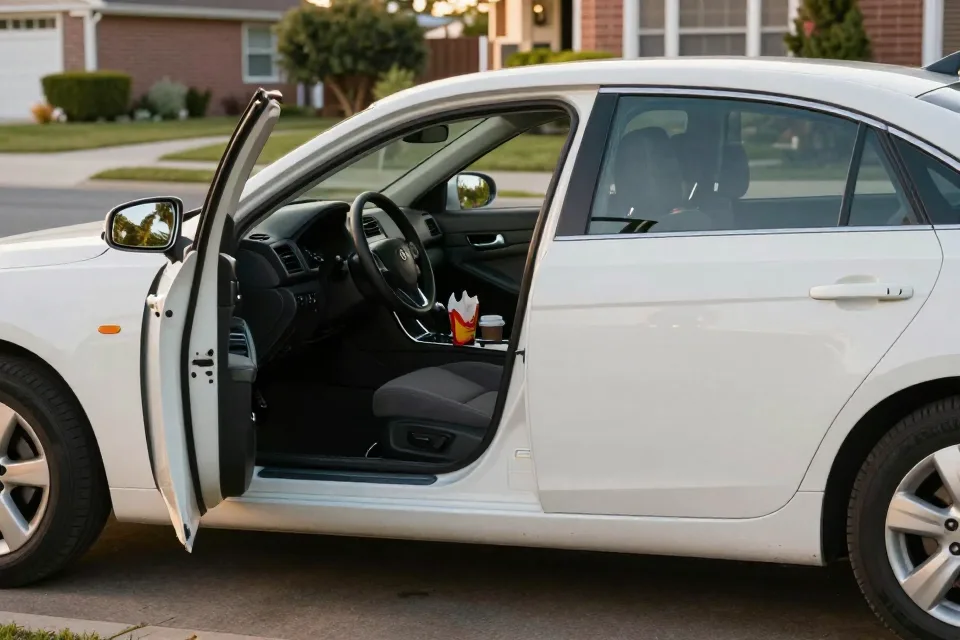
You know the moment. You open the car door and get a whiff of something that has been living in there for weeks — sour milk under a seat, damp dog, last week's fast food. Your nose goes numb to it after a while. Then a passenger rides along, and you see the look on their face.
A smelly car is more than an embarrassment. Odors can hurt your car's resale value, and some smells are signs of a real problem — mold in the vents, a blocked drain, even a hidden water leak. The good news is that most car smells can be fixed at home in an afternoon with items you already own. This guide walks you through it, from finding the source to the final fresh-air finish.
First, Find the Source
Before you buy anything, play detective. Odor-fighting products only work when the source is gone. If you simply cover up the smell, it comes back within days.
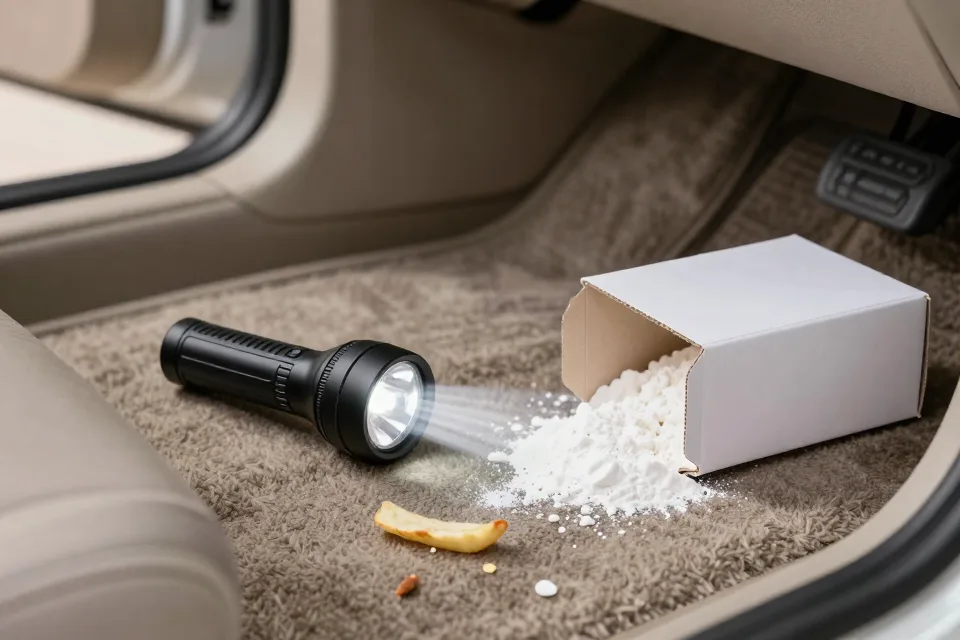
Start with the places you rarely look: under the seats, between seat cushions, inside the trunk, and beneath the floor mats. A forgotten juice box, old french fries, or a damp gym towel can create a smell that spreads through the whole cabin. Search with a flashlight, and pull the seats forward if you can. Consumer Reports recommends this process of elimination, because some odors hide where you can't see them.
Check the cup holders for spilled coffee and the door pockets for wrappers, too. Then clean up spills right away. The longer a liquid sits, the deeper it soaks into carpet and padding, and the harder it becomes to remove.
The 30-Minute Refresh
Most odors respond to a simple routine: empty, vacuum, air out. Set aside about half an hour.
-
Empty the car completely — trash, groceries, sports bags, everything.
-
Remove the floor mats and wash them separately. Make sure they are fully dry before putting them back.
-
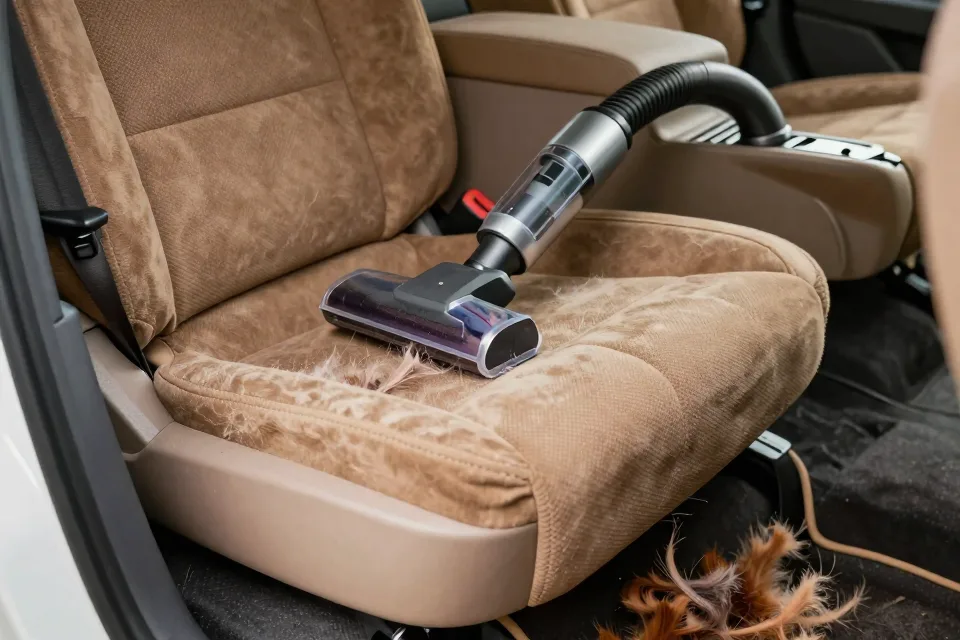
Vacuum the carpets, seats, and trunk with a crevice tool. Pay extra attention under the seats, where crumbs and debris collect.
-
Open all the doors and let the cabin air out. Moving fresh air does more than any spray can.
If your carpets are dry, sprinkle a light layer of baking soda over them, let it sit overnight, then vacuum it up. Baking soda is a classic odor absorber, and it is a staple in the DIY cleaning advice from Kelley Blue Book. One caution: the carpet must be dry first, or the baking soda will clump and make a bigger mess.
Deep Clean: Carpets, Mats, and Seats
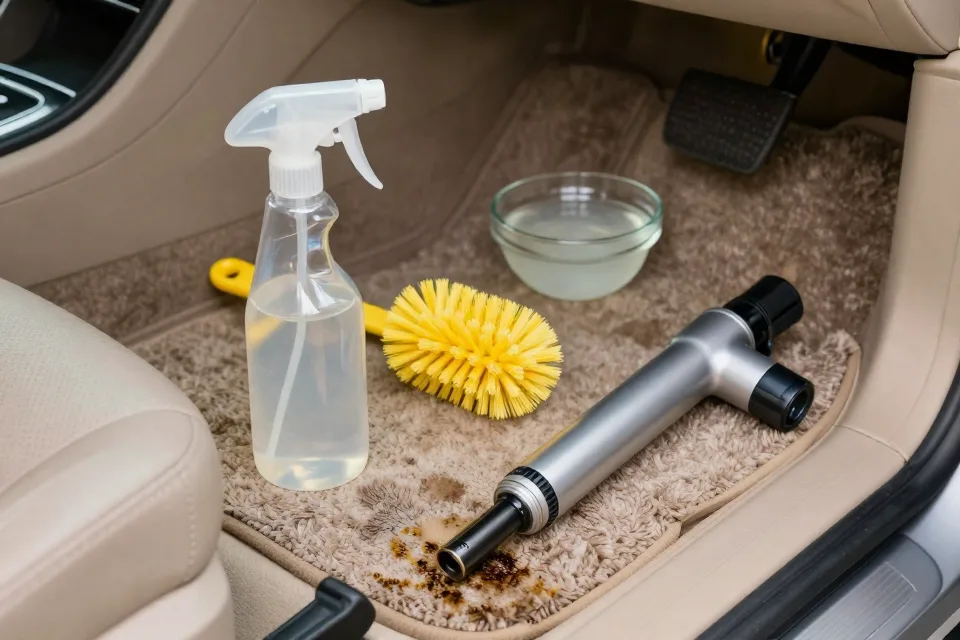
When a smell has soaked in, a vacuum isn't enough. For carpet and cloth upholstery, try this: fill a spray bottle with hot water, spray the fabric, work the fibers with a nylon-bristle brush, then pull the water out with a wet/dry vacuum. Kelley Blue Book recommends this method for lifting dirt and odor out of the fibers instead of pushing it deeper.
For tougher jobs, shampoo the carpet and floor mats with a mix of water and detergent, much as you would clean a rug at home. Keep liquids away from the seat foam. Soaking seats is a common mistake — damp cushions can grow mold and create a musty smell that is worse than the one you started with.
White vinegar earns its keep on mold. If you see dark spots or smell mildew, spray white distilled vinegar on the affected area, scrub it, and let the car air out thoroughly. The Drive's guide notes that mold can take several rounds of vinegar, scrubbing, and airing out before it is gone. The vinegar smell fades once it dries.
For smoke residue on hard surfaces like door panels and the dashboard, a 50/50 mix of water and white vinegar works well. CARFAX recommends it for cutting the sticky tar film that cigarette smoke leaves behind.
When the Smell Comes From the Vents
If the musty smell shows up when you turn on the air conditioner, the problem is usually in the ventilation system, not the carpet.
Water collects on the air conditioner's evaporator, and when it sits there, bacteria and mold can grow. That's the gym-sock smell you notice on humid days, according to Consumer Reports.
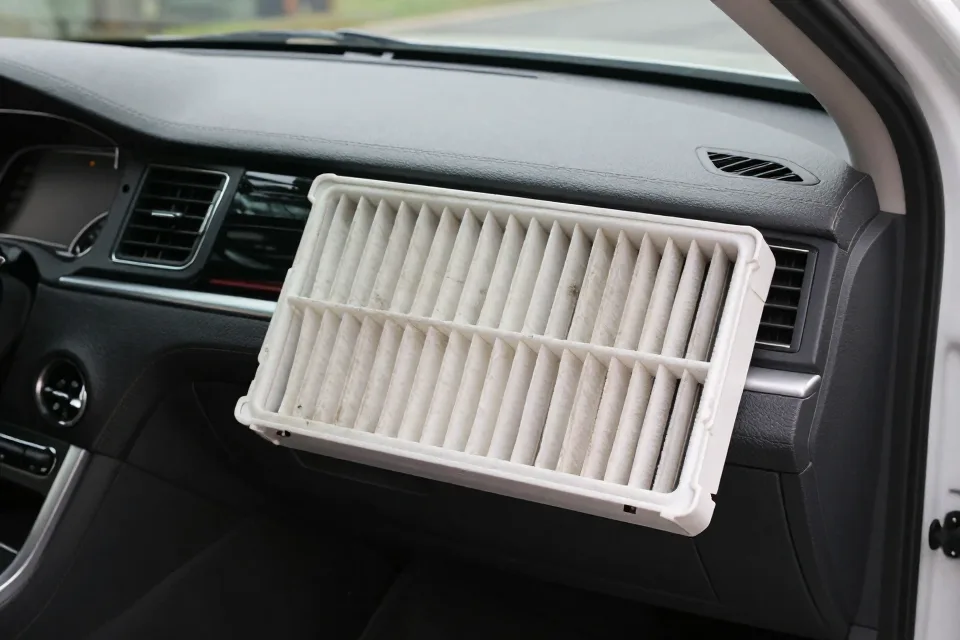
Start by replacing the cabin air filter. It's usually behind the glove box, and your owner's manual shows how to reach it. Most vehicles need a new filter every 12,000 to 15,000 miles, or about once a year — check your manual for your car. Driving in dusty or polluted areas may mean changing it more often. A dirty filter can also make odors worse by trapping moisture and recycling it.
The Car Care Council agrees that a musty smell can be a sign of a dirty or clogged cabin air filter, and it is one of the first things to check.
To clean the ducts: with the engine running and the fan on low, open the windows, then spray an air-conditioning disinfectant or aerosol cleaner into the intake vents at the base of the windshield, near the wipers. The fan pulls it through the system. Some guides suggest removing the cabin filter first so the spray can travel freely.
Prevention is simple: before you shut off the car, turn off the air conditioner and let the fan run for a few minutes. That clears moisture out of the vents so mold doesn't get a chance to start.
Smoke, Pets, and Spills: The Hard Cases
Cigarette smoke is the toughest odor of all. It leaves a sticky residue on every surface — upholstery, headliner, seat belts, and vents — so a quick wipe won't do it.
-
Clean every surface, soft and hard, not just the obvious ones.
-
Wipe hard surfaces with the 50/50 water-and-vinegar mix.
-
Change the cabin filter — a lot of the smell lives there.
-
For heavy smoke, professional detailers use ozone generators, machines that fill the car with odor-destroying ozone gas. They work, but the gas can be hazardous if used improperly. Consumer Reports advises leaving this job to a professional unless you know exactly what you are doing.
Pets leave hair, dander, and oils in the upholstery. Vacuum often, keep the windows cracked when you can, and if a pet accident happens, clean it fast and dry the area completely.
Food spills are the same story: clean them immediately. Once a spill dries and soaks into the padding, it keeps releasing odor for months.
Six Common Mistakes That Keep Smells Around
-
Masking instead of removing. Air fresheners and scented sprays cover the smell for a day. They don't remove the cause, so the smell always comes back.
-
Cleaning only what you can see. Odors hide under seats, in the trunk, and inside the vents. Skip one spot, and the whole cabin still smells.
-
Forgetting the cabin air filter. It's out of sight, so it's easy to ignore — but a dirty filter can recycle odor back into the cabin every time you turn on the fan.
-
Letting moisture linger. Wet mats, damp towels, and spills left to dry slowly are an open invitation to mold and mildew.
-
Using too much water. Oversaturating seats and carpet leaves them damp for days, and damp fabric smells musty no matter how clean it is.
-
Ignoring the real problem. A musty smell that keeps returning after a deep clean may be a water leak, a blocked air-conditioning or sunroof drain, or a worn-out filter — not a cleaning issue.
The Safety Rule: Don't Freshen the Engine Indoors
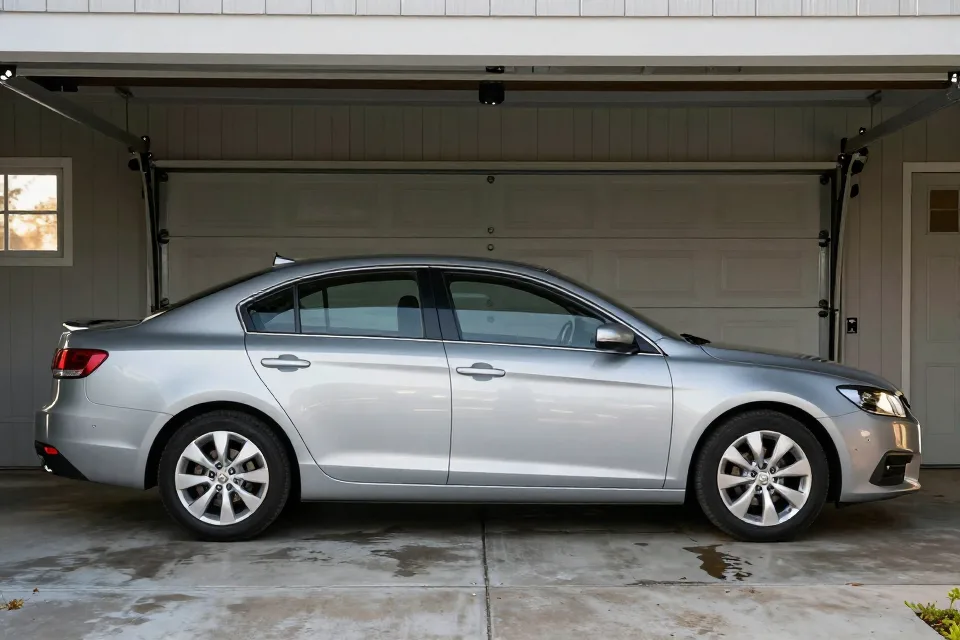
Some people try to freshen a car by starting the engine and letting it run with the windows down. If you're tempted, don't do it in a garage — even with the door open. Engine exhaust contains carbon monoxide, a gas you can't see or smell, and it can build to deadly levels in enclosed spaces. NHTSA's winter driving tips and the National Safety Council both say never to run a vehicle in a garage, even with the garage door open.
The National Safety Council warns that ventilation alone does not guarantee safety. Carbon monoxide from a running engine can seep into the cabin and into the house.
The numbers are sobering: each year, more than 400 Americans die from unintentional carbon monoxide poisoning not linked to fires, and more than 100,000 visit emergency rooms, according to the CDC.
Two related rules from NHTSA and AAA: keep your exhaust pipe clear of snow, ice, and mud before you start the engine — a blocked pipe can push carbon monoxide into the passenger compartment — and never warm up a vehicle in an enclosed space.
About warming up: modern engines don't need a long idle. Idling wastes fuel — up to about half a gallon an hour — while the car goes nowhere, according to fueleconomy.gov. AAA advises letting the engine idle only about as long as it takes to buckle your seat belt, then driving gently; the engine warms up faster that way.
When to Call a Professional
If you've cleaned everything and the smell is still there, it's time to get help. A professional detailer has steam cleaners and tools that reach places you can't, and can treat the car with ozone safely.
Also see a mechanic if you suspect a water leak or a blocked drain. Moisture inside the car that you can't find is a problem that won't go away with cleaning.
Your Odor-Free Checklist
-
Take out the trash every time you leave the car — don't let it sit overnight.
-
Wipe up spills as soon as they happen, and dry the spot completely.
-
Vacuum the interior, including under the seats, at least once a month.
-
Wash the floor mats separately and let them dry fully.
-
Replace the cabin air filter on schedule — check your owner's manual.
-
After rainy days or car washes, open the windows and let the cabin dry out.
-
If a smell survives a deep clean, have the vents, drains, and leak points checked by a pro.
This article is for general information only. For your specific vehicle, follow your owner's manual and talk to a qualified mechanic before doing any repair or safety-related work. See our disclaimer for details.
Sources
- [reference] https://www.kbb.com/car-advice/diy-cleaning-hacks