
When to Replace Your Windshield Wipers (and How)

Why Wipers Deserve More Attention
You check your oil. You watch your tire pressure. But when did you last look closely at your windshield wipers? For most of us, the answer is only after a rainstorm turns the road into a blur.
Wiper blades are small, cheap, and easy to forget. Yet almost everything you judge while driving comes through your eyes first. When the rubber wears out, the glass stays smeared, and small hazards become easy to miss in the exact moments that matter most.
The good news is that replacing wipers is one of the simplest jobs you can do on your car, and it usually takes only a few minutes. This guide walks through how often to change them, the signs to watch for, and the steps to do the swap yourself.
How Often Should You Replace Them?
Most experts suggest new wiper blades every six to twelve months. That is the range you will see again and again, and it holds up in practice.
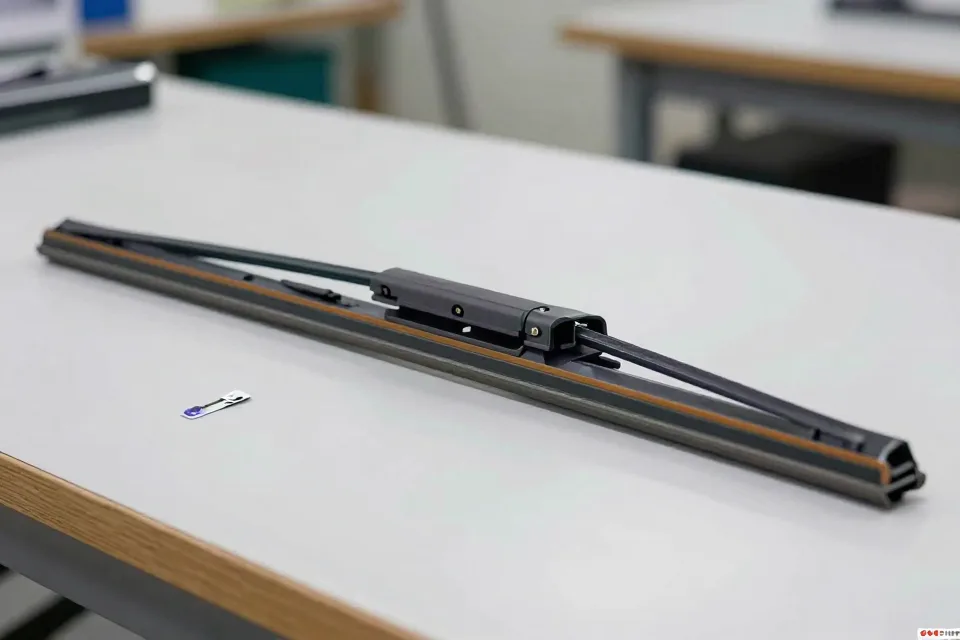
Auto parts retailers such as AutoZone point to about twelve months under normal conditions, with closer to six months when the blades work hard. AAA offers the same kind of guidance, urging drivers to replace blades about every six to twelve months depending on climate and how much you drive.
Why so often for a part you barely use on sunny days? Because rubber ages even when it sits still. Sunlight, heat, cold, and ozone all work against the edge that has to hug your glass perfectly. A blade that looks fine on a dry, clear morning can fail the first real downpour.
A simple habit helps: check your wipers at the same time you change your clocks each spring and fall. If the edges look worn or the last swap was six months ago, it is probably time.
Signs Your Blades Are Worn
You do not have to wait for a calendar date. Your wipers will show you when they are done. Here are the clues to watch for.
-
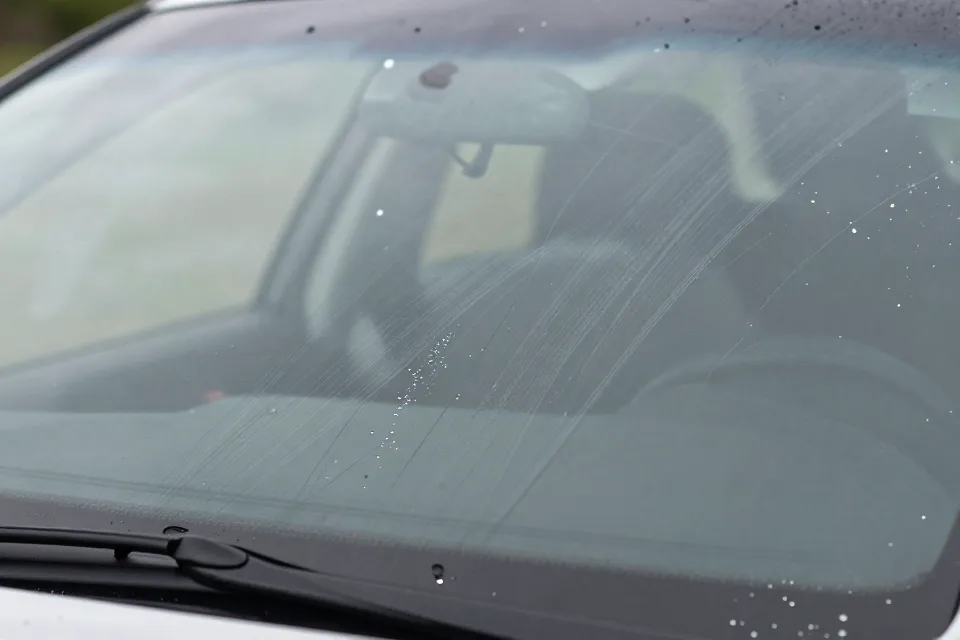
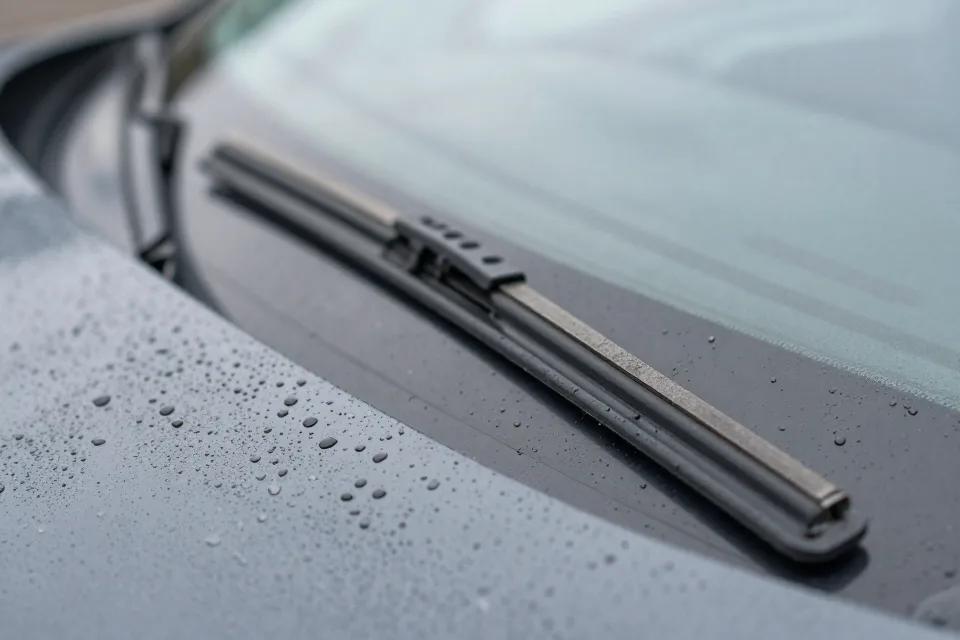
Streaking or smearing. If the blade leaves lines or a hazy film, the rubber edge has worn unevenly. This is most dangerous at night, when oncoming headlights turn the streaks into glare.
-
Skipping or chattering. When a blade hops, skips, or chatters across the glass, the rubber has hardened or lost its flexibility, so it no longer glides smoothly.
-
Squeaking or squealing. Persistent noise, even in the rain, means the rubber is not tracking cleanly against the windshield.
-
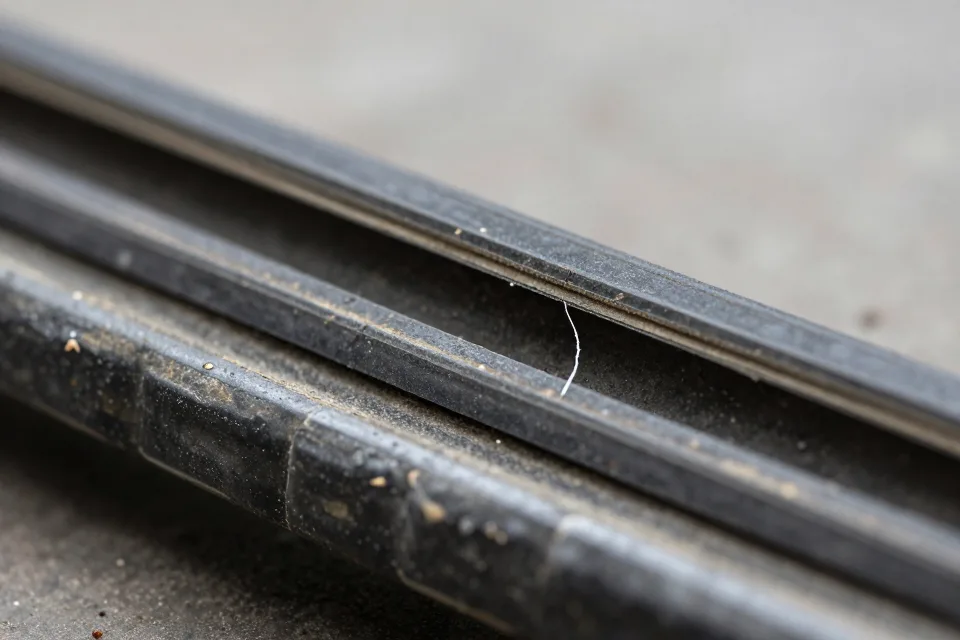
Cracked or split rubber. Run a finger gently along the edge. If you feel nicks, cracks, or the edge is coming apart, the blade is past its useful life.
-
Bands of missed water. If part of the glass stays wet no matter how many passes the wiper makes, the blade is not making full contact.
Any one of these signs means it is time to act. Do not wait for the rust-colored streak or the first big storm to make the decision for you.
Common Mistakes to Avoid
Most wiper problems come from a few small, avoidable errors. Watch for these.
| Mistake | Why it matters | Better habit |
|---|---|---|
| Replacing only one blade | The two blades wear at the same rate, so the old one fails soon after | Swap both at once |
| Buying the wrong size | A blade that is too long or short leaves gaps or bangs into the frame | Check size before you buy |
| Running wipers over ice | Scraping a frozen blade tears the rubber edge | Clear ice and snow first |
| Pouring hot water on a frozen windshield | The quick temperature change can crack the glass | Use a de-icer or let the defroster work |
| Ignoring the washer fluid | Dirty or empty fluid makes blades drag and smear | Keep the reservoir full in winter |
| Snapping the arm back down | A bare metal arm swinging onto glass can crack it | Lower the arm gently by hand |
Choosing the Right Blades
The right blade must match two things: the size your car needs and the way the blade attaches to the wiper arm.
To find the correct size, start with your owner's manual. If that is buried in the glove box, look in stores or online for a blade-size finder. You type in your vehicle's year, make, and model, and it tells you the exact lengths, which often differ from driver side to passenger side. You can also measure the old rubber part edge to edge, though the rubber has to be laid flat to get an honest number.
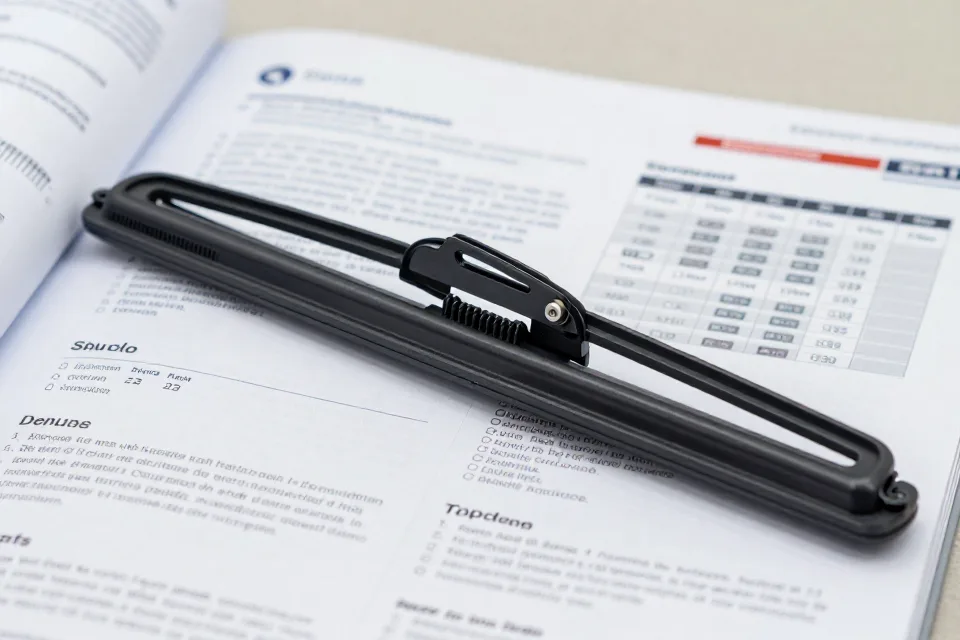
Blades generally fall into three types. A conventional blade uses a metal frame and small hinge arms to press the rubber onto the glass. A beam blade has no frame; it is one curved, springy piece that bends to match today's curved windshields for more even pressure. A hybrid blends the two: a frame for strength with a cover that improves airflow and cuts down on wind lift.
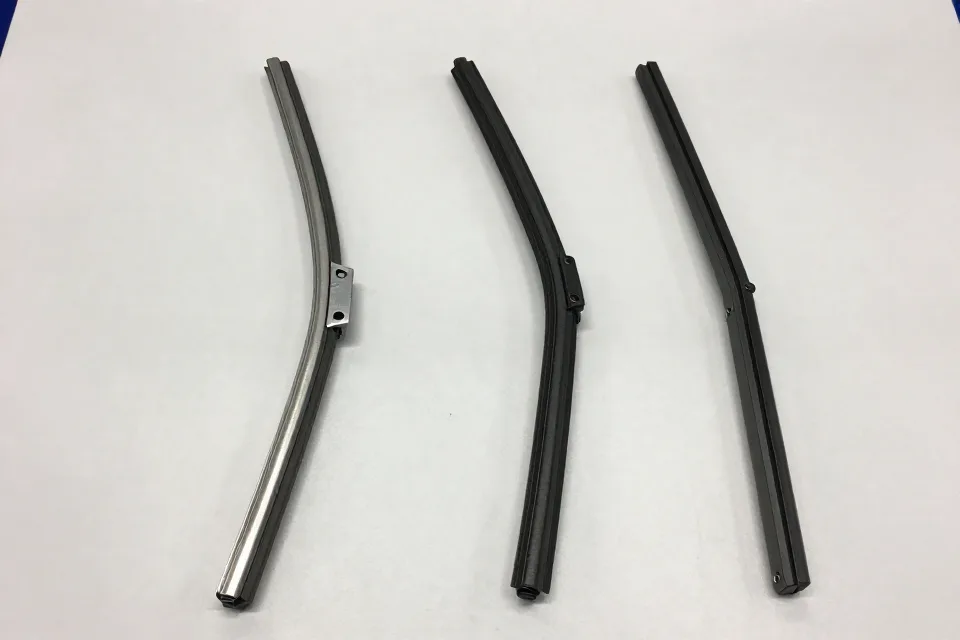
For most drivers choosing among these types matters less than replacing on time. If you live where winter is harsh, a beam or hybrid usually resists ice buildup better. On a budget, a conventional blade still clears water fine as long as it is fresh.
How to Replace Wipers in Minutes
You can do this job yourself with no special tools. Most blades pop on and off with a small tab or release button. Some auto parts stores will even install new blades for free when you buy them there.
-
Lift the arm. Gently raise the wiper arm away from the windshield until it stays up on its own.
-
Release the old blade. Find the small tab or latch where the blade meets the arm. Press it and slide the old blade down and off.
-
Slide on the new one. Match the new blade to the arm and slide it up until it clicks into place. Give it a light tug to be sure it is locked.
-
Lower the arm carefully. Ease the arm back onto the glass. Never let a bare arm snap against the windshield.
-
Test it. Turn on the washer fluid and run the wipers. You want a clean, streak-free, quiet sweep.
If the two sides take different lengths, double-check that each new blade is on the correct side before you finish.
Simple Care That Extends the Life
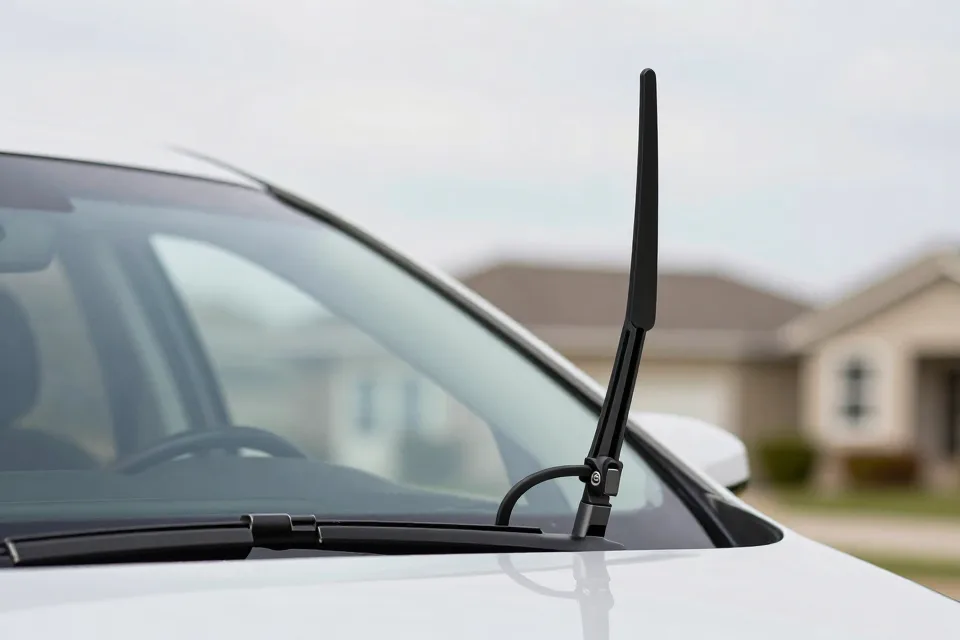
A little attention stretches the time between replacements and keeps your view clear.
Clean the rubber edge now and then with a damp cloth or a mild soap-and-water mix. This removes road film and grit that wear the edge and cause streaking.
In winter, clear ice and snow from the glass before you run the wipers. Scraping a frozen blade over a crusted windshield tears the rubber. Do not pour hot water on the glass to free the blades, since the fast temperature change can crack the windshield.
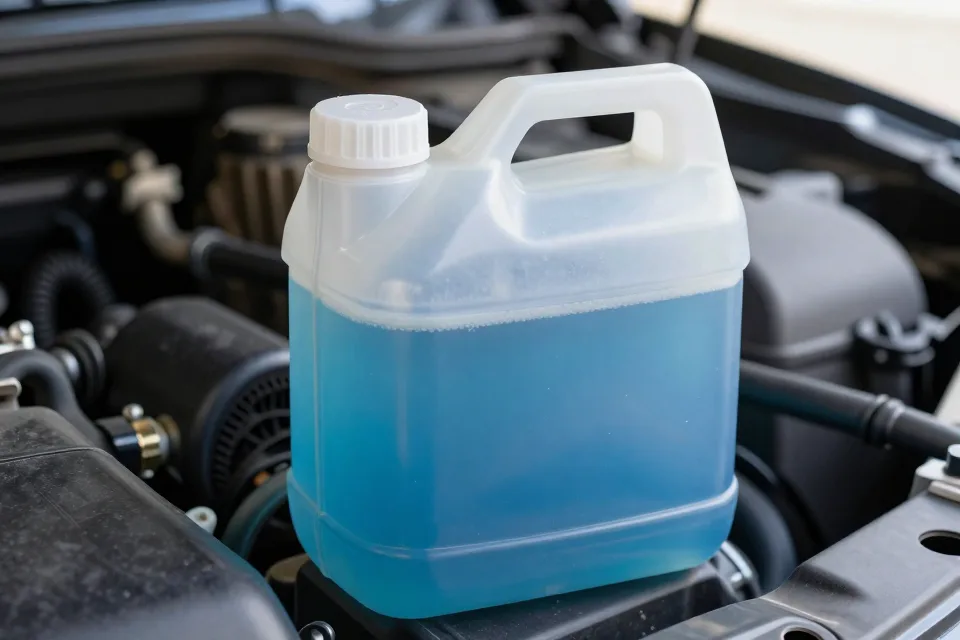
Keep the washer reservoir topped up, and in winter use a fluid with de-icer. NHTSA reminds drivers that you can go through a lot of washer fluid in a single snowstorm, and worn blades should be replaced before cold weather arrives.
A Quick Checklist
Before you head out, run through this list.
-
Check wiper edges for cracks, nicks, or hardening every six months.
-
Replace both blades at the same time, every six to twelve months.
-
Match the correct size and attachment type for your vehicle.
-
Test the new blades with washer fluid before you drive.
-
Keep fluid full, and clear ice before running wipers in winter.
Windshield wipers are one of the smallest and cheapest parts on your car, yet they sit directly between you and the road. A fresh set is cheap insurance for the moments when visibility is all that stands between a safe trip and a close call. When in doubt, swap them.
This article shares general guidance and is not a substitute for your owner's manual or a qualified mechanic. See our disclaimer for details.
Sources
- [authority] https://www.acg.aaa.com/connect/blogs/6c/auto/when-to-replace-your-windshield-wipers-and-why-it-matters