
Highway Driving Basics Every Driver Should Review
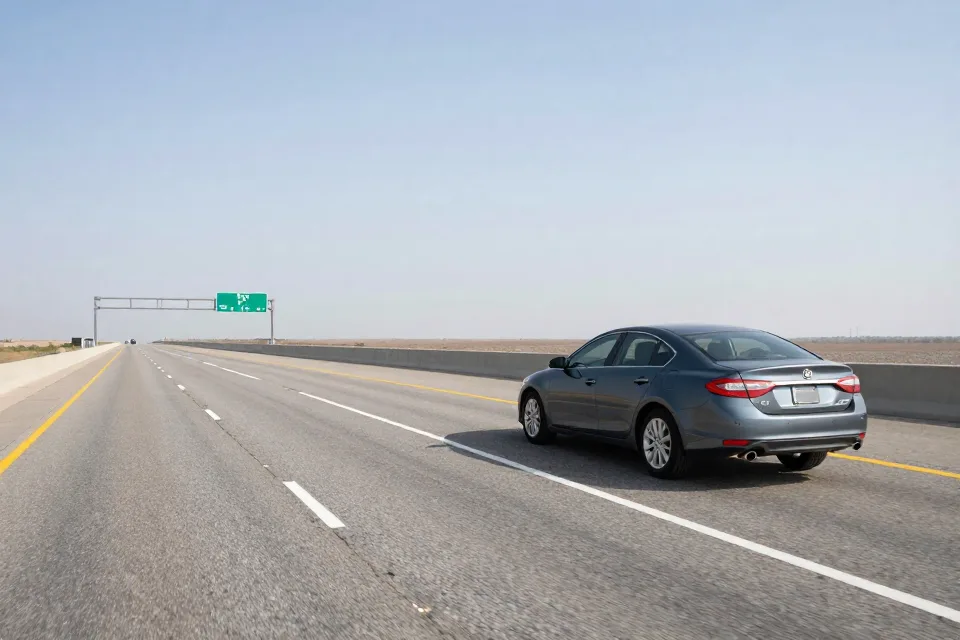
Why Highway Driving Deserves a Refresher
Most drivers feel at home on the highway. The road is wide, the pace is steady, and there are no stoplights or crosswalks to think about. After years behind the wheel, the interstate can start to feel automatic. That comfortable feeling is exactly where the risk hides.
Highway crashes are deadly precisely because speeds are high. Speeding played a role in 29 percent of all traffic deaths in 2021 — 12,330 lives lost that year, the most in 14 years, according to NHTSA. Distraction is just as troubling: distracted drivers were involved in crashes that killed 3,208 people in 2024, NHTSA reports.
The good news is that highway driving follows a handful of straightforward rules. Learn them, practice them, and you take most of the risk out of the miles. This guide reviews the basics worth revisiting — before you merge, while you drive, and when something goes wrong.
Before You Merge: A Five-Minute Pre-Trip Check
Highway trouble usually starts before you ever reach the ramp. A car that is not ready for sustained speed becomes a hazard to everyone around it. Carfax data shows that roughly 41 percent of vehicles on American roads are overdue for at least one critical maintenance item, so a quick once-over is not a waste of time.
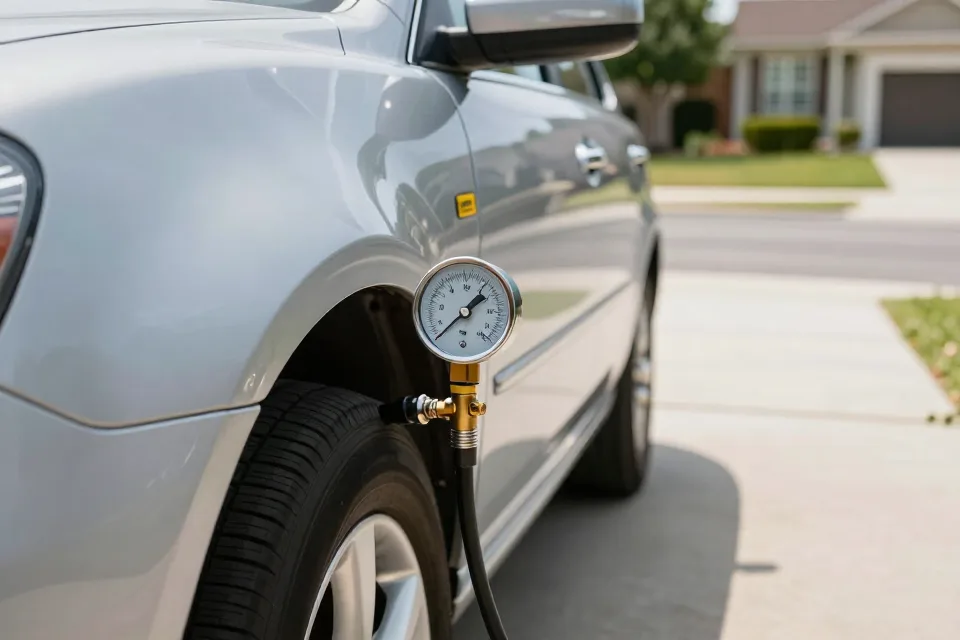
Start with tires. Check the pressure when the tires are cold — at least three hours after the car last ran — for the most accurate reading. Do not use the number printed on the tire sidewall; that figure tells you the most pressure the tire can safely hold, not what your car needs. Your vehicle's recommended pressure is on a sticker inside the driver's door. Running on underinflated tires is the most common cause of tire failure, and tires lose air gradually on their own, even without a puncture.
Buckling up is the single most effective step you can take. Seat belts cut the risk of a fatal injury by about 45 percent for front-seat occupants of passenger cars, and by about 60 percent in SUVs, vans, and pickups, NHTSA estimates. Yet nearly half of the passenger vehicle occupants killed in crashes in 2024 were not wearing a belt.
Before you pull away, also check your lights, wipers, and fluid levels, and keep the gas tank close to full. On a long trip, plan enough time to stop, stretch, eat, and rest. An empty tank or a worn wiper blade can turn a routine errand into a roadside emergency.
Merging: The Maneuver Everyone Gets Wrong
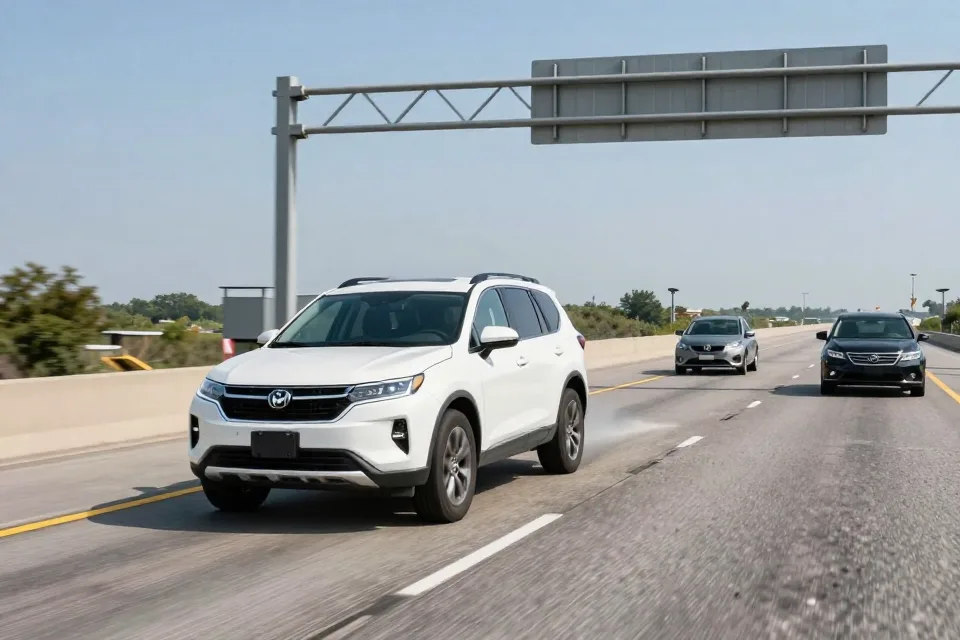
Merging is where more highway tension starts than anywhere else. The on-ramp exists for one reason: to let you match the speed of traffic before you join it. Use the ramp to accelerate, not to coast and brake.
Put your turn signal on early, well before the merge point. Check your mirrors, then glance over your shoulder to cover the blind spot. Find a gap and move into it smoothly. If the ramp ends and traffic is heavy, adjust your speed to fit an opening — but do not stop. Stopping at the end of an on-ramp forces you to accelerate from a standstill into fast-moving traffic, one of the riskiest moves on the road.
After you merge, keep your speed steady. Do not slow down the moment you join, because the drivers behind you are still rolling at highway speed. Signal again for every lane change, check your mirrors and blind spot each time, and remember that the left lanes are for passing, not cruising.
Keep Your Distance: The Seconds Rule
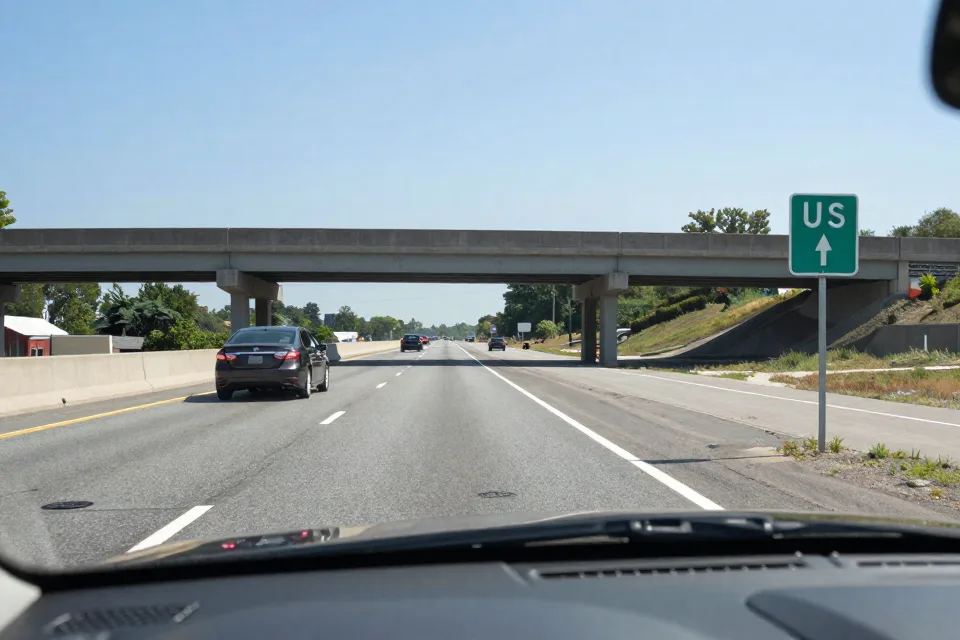
Following distance matters more at highway speed than anywhere else, because the space you need to stop grows quickly as speed rises. The simplest way to judge it is time, not car lengths. AAA recommends keeping a gap of at least three to four seconds in clear conditions.
Here is how to measure it. Pick a fixed object ahead — a sign, an overpass, a shadow on the pavement. When the vehicle in front of you passes it, start counting: one-one-thousand, two-one-thousand, three-one-thousand. If you reach the object before you finish counting, you are too close.
Add an extra second for each negative factor you are facing: darkness, rain, snow, heavy traffic, or a large truck ahead. Drive at night in the rain and your cushion should stretch to five or six seconds. When you are tired, add still more. Distance is the one buffer that never fails, because it buys you time to see, decide, and brake.
Share the Road With Trucks: Know the No-Zone
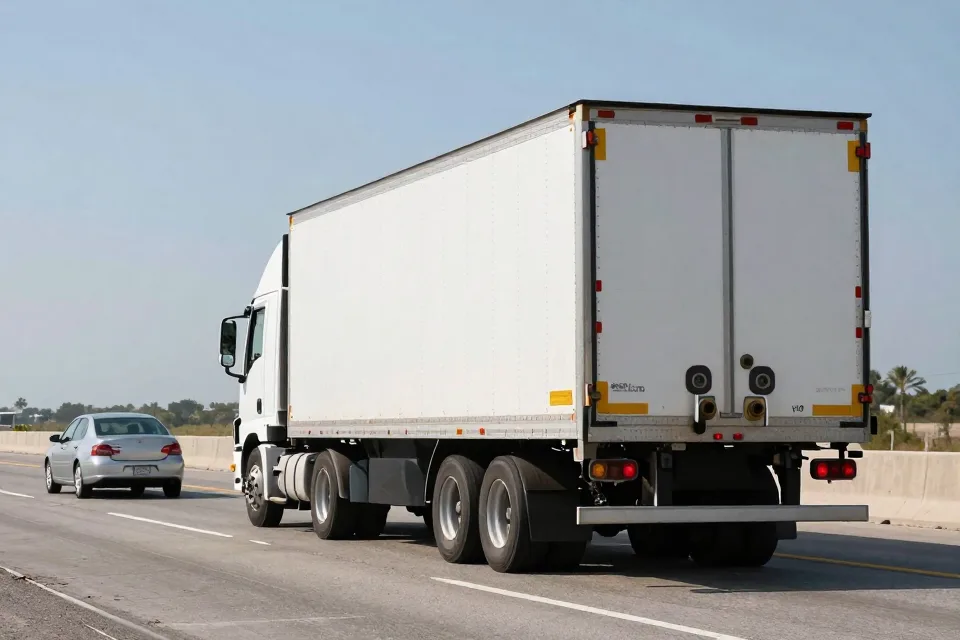
A large truck needs far more room to stop than a car does. Federal safety officials point out that a fully loaded big rig may need almost two football fields of pavement to come to a full stop. If you cut in front of a truck and then brake, the driver may have no way to avoid you.
Trucks also carry large blind spots, called no-zones, at the front, on both sides, and behind. Roughly one in three crashes between cars and large trucks happens in these blind spots, according to the Federal Motor Carrier Safety Administration. A useful test: if you cannot see the truck driver's face in the side mirror, the driver cannot see you. Move through those zones promptly, and never linger beside a truck.
Pass trucks on the left, signal early, and pull back into the lane only when you can see the whole truck in your rearview mirror. Give trucks extra room when they turn. They swing wide, and the space they need is bigger than it looks.
Speed: The Cost Goes Beyond a Ticket
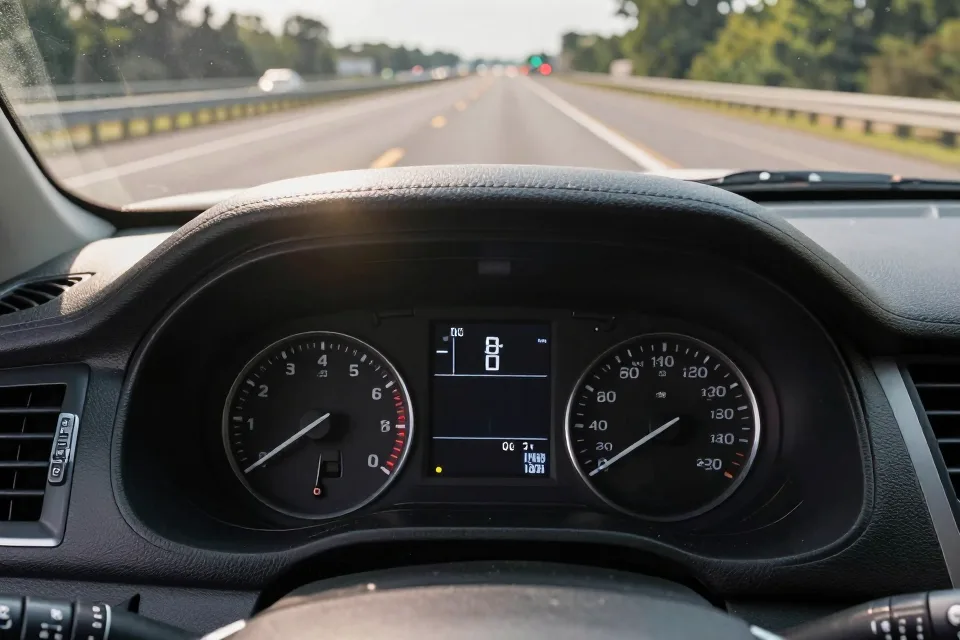
Speed limits are not suggestions, and the reasons go beyond fines. Higher speed means less time to react, a longer stopping distance, and far more force in a crash. The numbers make the point: speeding was a factor in 29 percent of motor vehicle crash deaths in 2024, according to the Insurance Institute for Highway Safety.
There is a wallet angle, too. Fuel economy drops quickly above 50 mph. The federal fuel-economy program estimates that every five miles per hour you drive over 50 is like paying an extra 24 cents per gallon. Cruise at 75 instead of 65 and you may feel the difference at every fill-up.
If you want a simple habit, stay at or below the posted limit, keep pace with the flow of traffic, and ease off the gas on long downgrades, where speed creeps up on its own. A few saved miles per hour rarely cost real time, but they buy real margin.
Fatigue and Highway Hypnosis: The Silent Risks
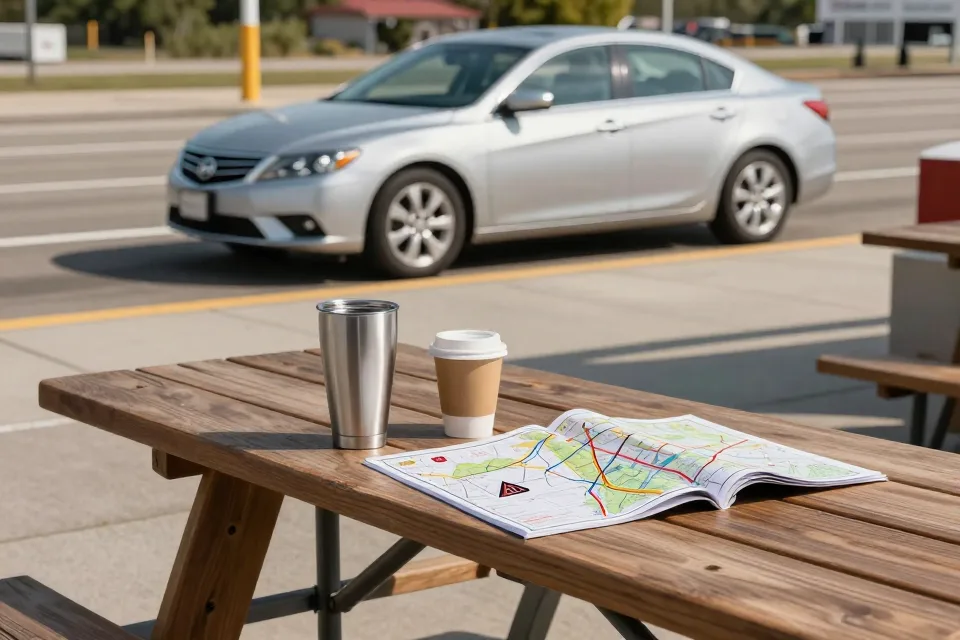
Tired drivers are a bigger problem than most people realize, and the official counts probably understate it. NHTSA estimates that in 2017, drowsy drivers were involved in about 91,000 police-reported crashes, injuring about 50,000 people and killing nearly 800. The National Safety Council counts 633 deaths in police-reported drowsy-driving crashes in 2023, and the AAA Foundation for Traffic Safety estimates that about 17.6 percent of fatal crashes from 2017 to 2021 involved a drowsy driver — roughly 30,000 deaths over five years.
Long, straight, monotonous highways add a second risk: highway hypnosis. It is a trance-like state in which you drive for miles and suddenly realize you remember almost none of the trip. It happens most often on familiar routes when the road is dull and the mind drifts. Your hands keep steering, but your reaction time is not what it should be.
The fix is to break the monotony. Plan a stop about every two hours, roughly every 100 miles. Stretch, walk, and drink some water. If you catch yourself drifting out of your lane, missing exits, or blinking slowly, get off the road and rest — no coffee or open window replaces sleep. Avoid driving through the hours when your body expects to be asleep.
Work Zones, Breakdowns, and Move Over Laws
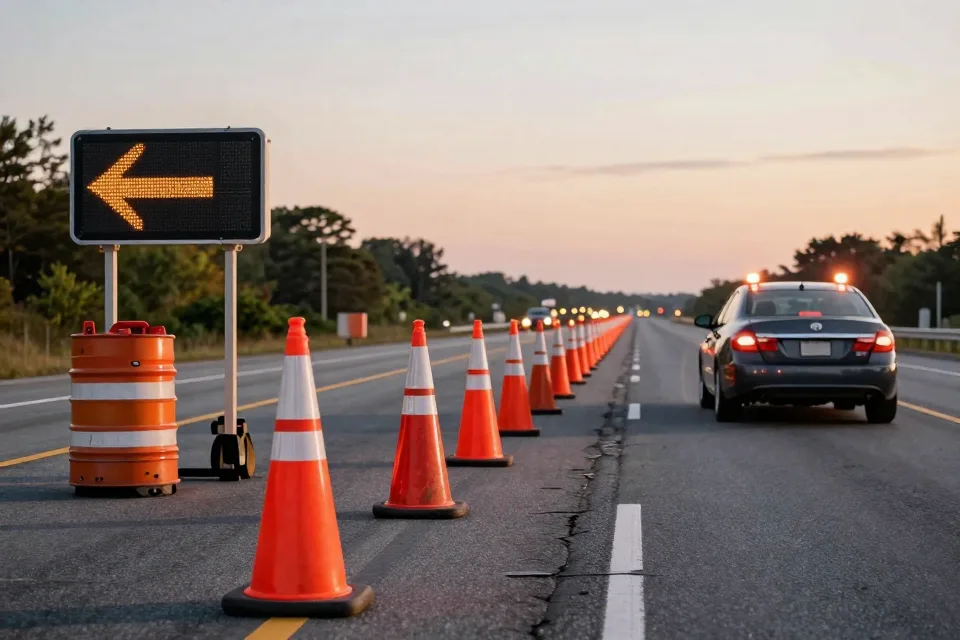
Work zones demand your full attention. In 2022, 891 people died in work-zone crashes, and 742 of them were drivers or passengers, not road workers, according to the Federal Highway Administration. Slow down, obey the reduced limits, and give crews and equipment a wide berth. Rear-end collisions are among the most common work-zone crashes, so add extra following distance when you see the cones.
If a vehicle with flashing lights is stopped ahead on the shoulder, move over. Every state has a Move Over law that requires drivers to shift into a lane away from stopped emergency vehicles, tow trucks, and roadside workers. If you cannot move over safely, slow down.
If your own car breaks down, get as far off the roadway as you safely can — the next exit, or the right shoulder. Turn on your hazard lights once you stop. Stay in your vehicle with your seat belt on and call for help rather than stepping into traffic. If you must get out, use the door away from the road, and only when it is safe.
Common Mistakes Even Experienced Drivers Make
Even veterans slip into these habits. Each one is easy to fix:
| Mistake | Why It Hurts | What to Do Instead |
| --- | --- | --- |
| Cruising in the left lane | Blocks faster traffic and invites risky passing | Use the left lane for passing, then move right |
| Stopping at the end of the on-ramp | Forces a dangerous merge from zero speed | Keep rolling and build speed on the ramp |
| Tailgating at 70 mph | Cuts your reaction time to nearly nothing | Count three to four seconds to the car ahead |
| Lingering in a truck's blind spot | The driver cannot see you at all | Pass quickly or fall back |
| Slowing down right after passing | Creates a hazard for the car you just passed | Hold your speed until you are well clear |
| Driving too fast in rain | Doubles the room you need to stop | Slow down and add following distance |
| Ignoring the first signs of drowsiness | You can fall asleep in seconds | Stop, rest, or switch drivers |
| Letting the tank run near empty | Long stretches with no exits can strand you | Refuel before the gauge hits a quarter tank |
| Swerving hard to avoid debris | Often ends in a worse crash | Brake firmly, hold your lane, then steer around |
| Relying on mirrors alone | A shoulder check catches what mirrors miss | Glance over your shoulder on every lane change |
Your Highway Driving Checklist
Run through this list before you pull onto the ramp, and again in your mind as you drive:
-
Tires checked cold, at the pressure on the door sticker — not the sidewall number
-
Seat belts on for every seat
-
Lights, wipers, and fluids in working order, gas tank near full
-
Merge at traffic speed, signal early, check the blind spot
-
Three to four seconds of following distance, more in bad weather or behind trucks
-
Truck no-zones cleared quickly; pass on the left
-
Speed at or below the limit, eased off on downgrades
-
A break planned every two hours or so
-
Work zones slowed for, Move Over laws followed
-
Phone out of reach, eyes and mind on the road
Highway driving rewards simple, repeatable habits. Review them before your next trip, and the miles ahead become calmer, cheaper, and safer for everyone sharing the road.
The information in this article is general guidance, not professional instruction for your specific vehicle or situation, and it is not a substitute for the traffic laws in your state. For more on how we handle content, see our disclaimer.

Sources
- [authority] https://www.nhtsa.gov/press-releases/speed-campaign-speeding-fatalities-14-year-high